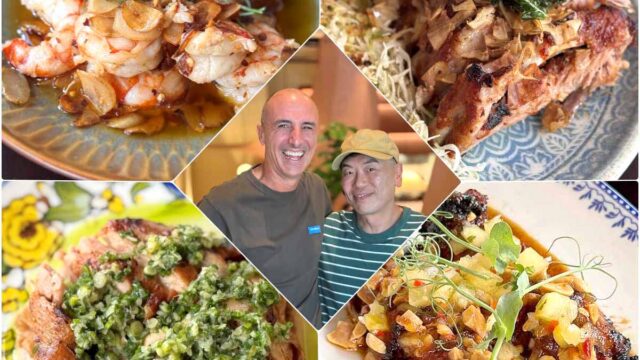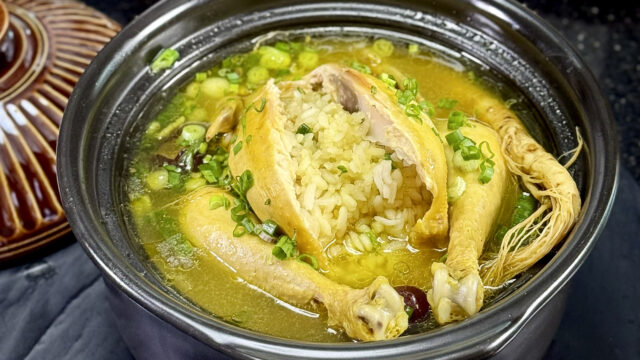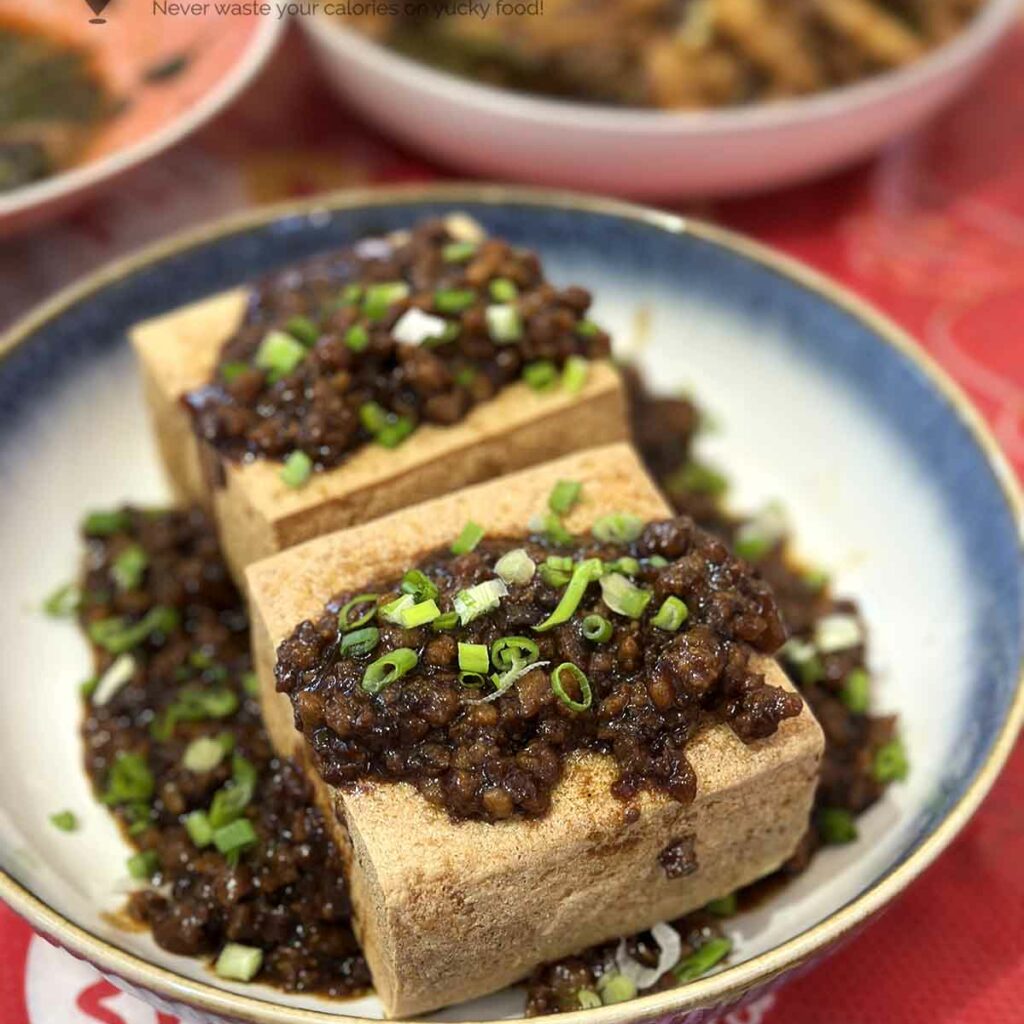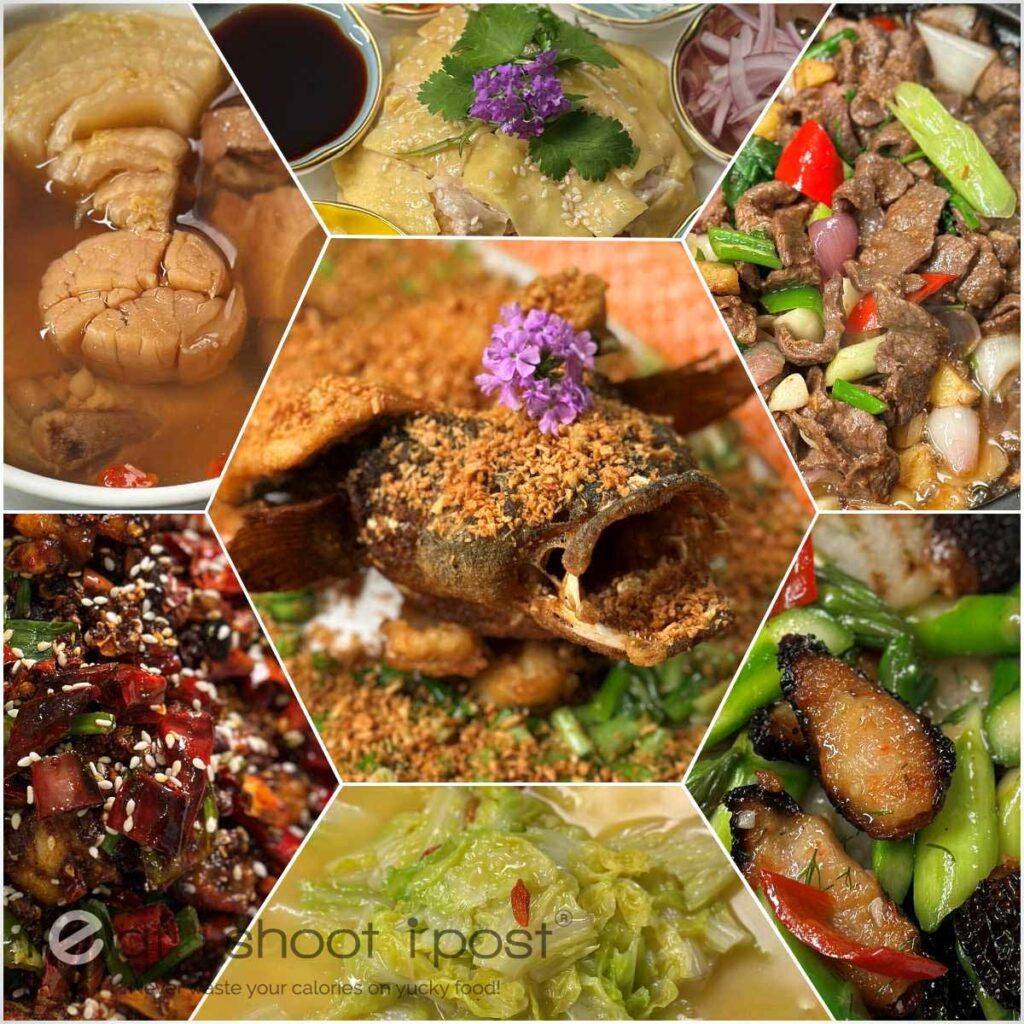

In our last post on Xin Cuisine, we featured Chef Kwan’s 2nd seasonal Shunde menu, an extension of his first. Having hailed from Shunde himself, he brought the familiar flavours of his childhood to the restaurant, and the response was very positive.
This year, Chef Kwan looks to Guangzhou, the capital of Guangdong province. There’s an old saying, 食在广州,厨出凤城 – the food is in Guangzhou, the chefs come from Phoenix City, which is what Shunde used to be called. But even though they are both in the same province of Guangdong (Canton) there are still regional differences.
Shunde cuisine is all restraint, coaxing maximum flavour out of humble, everyday ingredients. Guangzhou, one the other hand is the eating capital itself. Having been shaped by centuries as a trading port, the food culture tends to lean towards abundance and banquet grandeur. As a good proportion of our pioneer generation hails from Canton, these are still favours that most us would find familiar!
Inspired by a recent trip to Guangzhou, Chef Kwan took the flavours from the street stalls and restaurants there and have given them his own twist for Xin Cuisine.
The Guangzhou Delicacies menu runs from 11 September to 31 October 2026. We had thoroughly enjoyed the dishes and recommend making a reservation soon.
Seasonal Guangzhou Delicacies Dishes
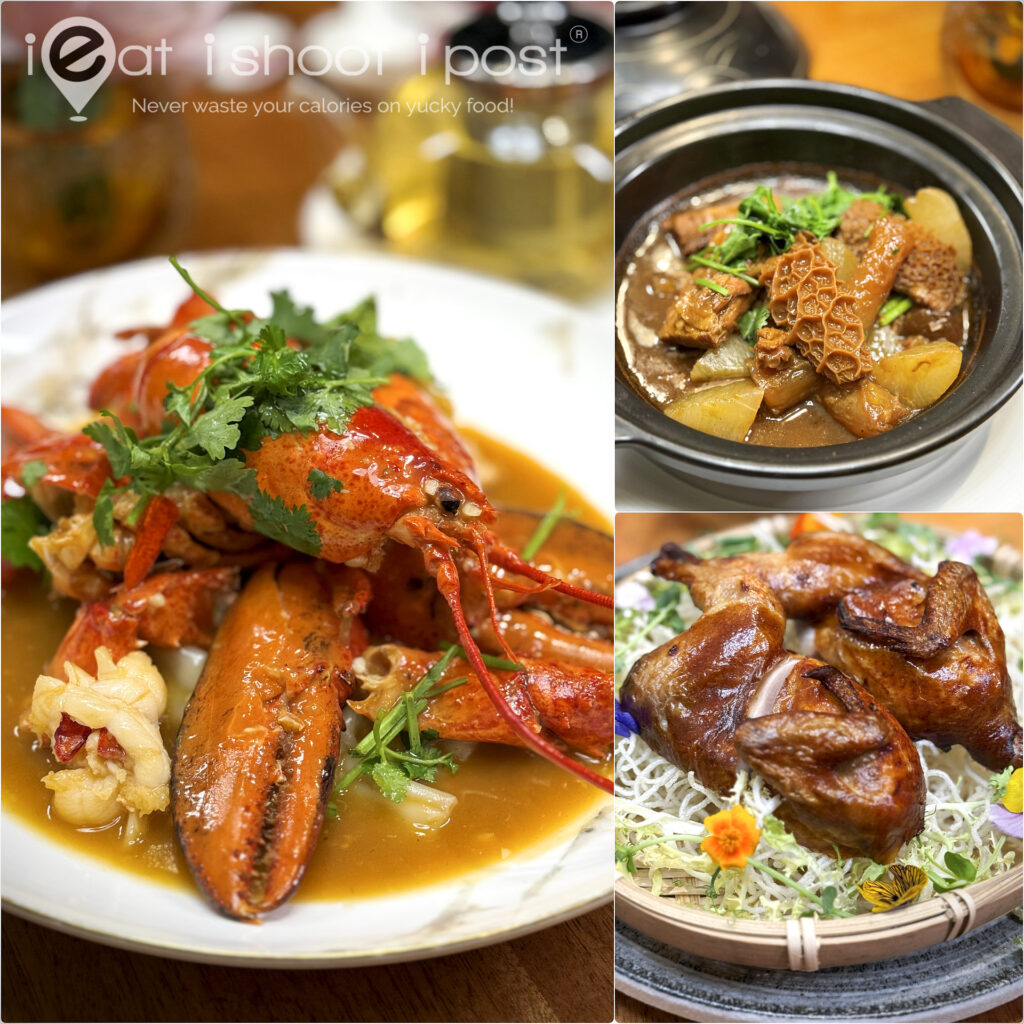
Boston Lobster in Superior Soybean Paste with Rice Noodles
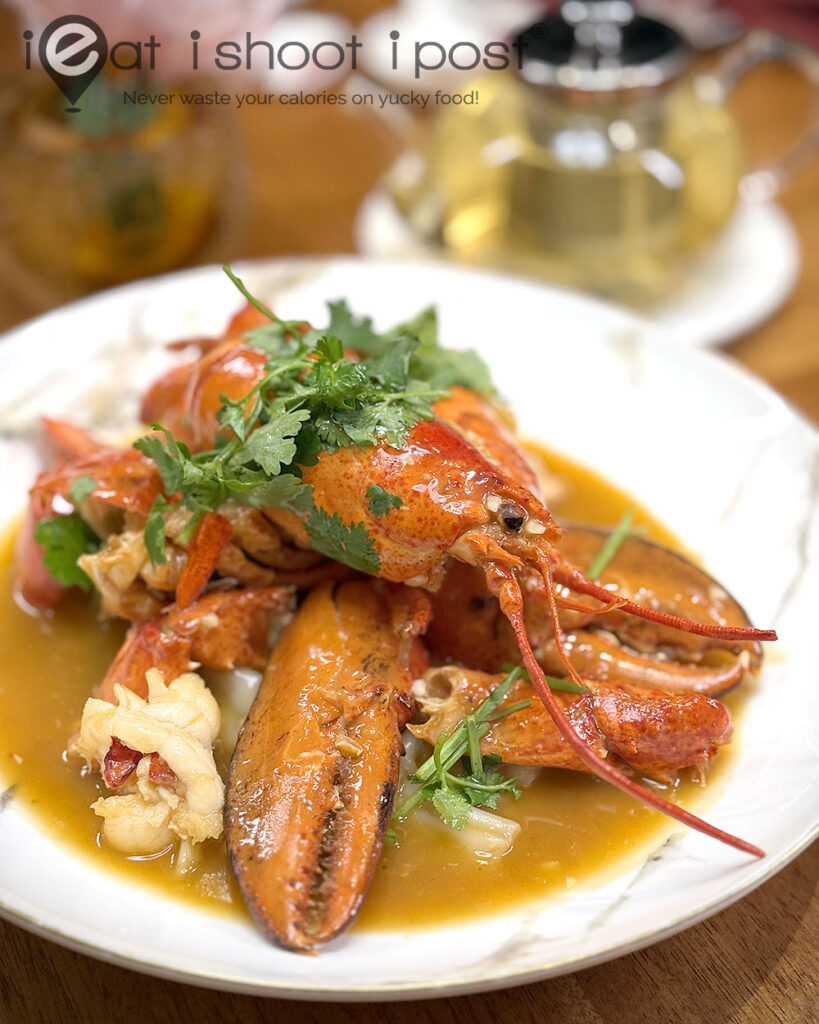
How do you elevate a humble Guangzhou streetfood like chee cheong fun? Chef Kwan’s answer is to place a whole Boston lobster on top, and drench it with superior soy bean paste.
It’s not complicated, but the combination just works. The chee cheong fun is made a la minute, fresh to order, which means it comes out silkier and softer than the pre-made rolls you’d normally get. The savoury, umami flavours of the lobster and the stock coat every slippery fold of it, and the result is something at once familiar and comforting, yet dressed up enough for a banquet dinner!
Crispy Deep-Fried Quail
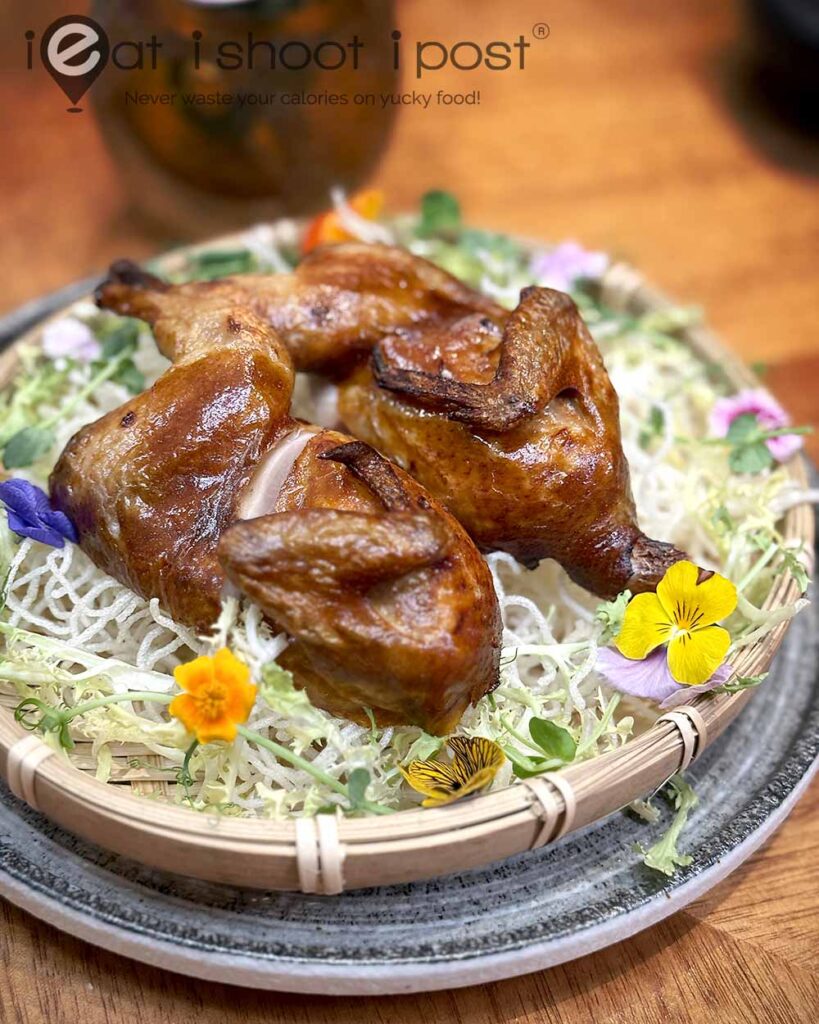
On my last trip to Hong Kong, I remember crispy pigeon showing up again and again. Hong Kong people have a real penchant for this dish. Unfortunately, pigeon isn’t something you can get hold of in Singapore, so Chef Kwan uses quail instead.
The key to the dish lies in the preparation. The quail is marinated overnight so the flavour has time to seep right into the meat, then air dried and fried until the skin turns shatteringly crisp. What you end up with is crisp skin against flavourful flesh, with just the right skin to meat ratio.
I’m glad Chef Kwan brought this here, since it’s not a dish you see often on local Chinese menus. Eat it with your hands and slowly savour the flavour!
Stone Pot Crispy Grass Carp Fillet in Rich Papaya Soup
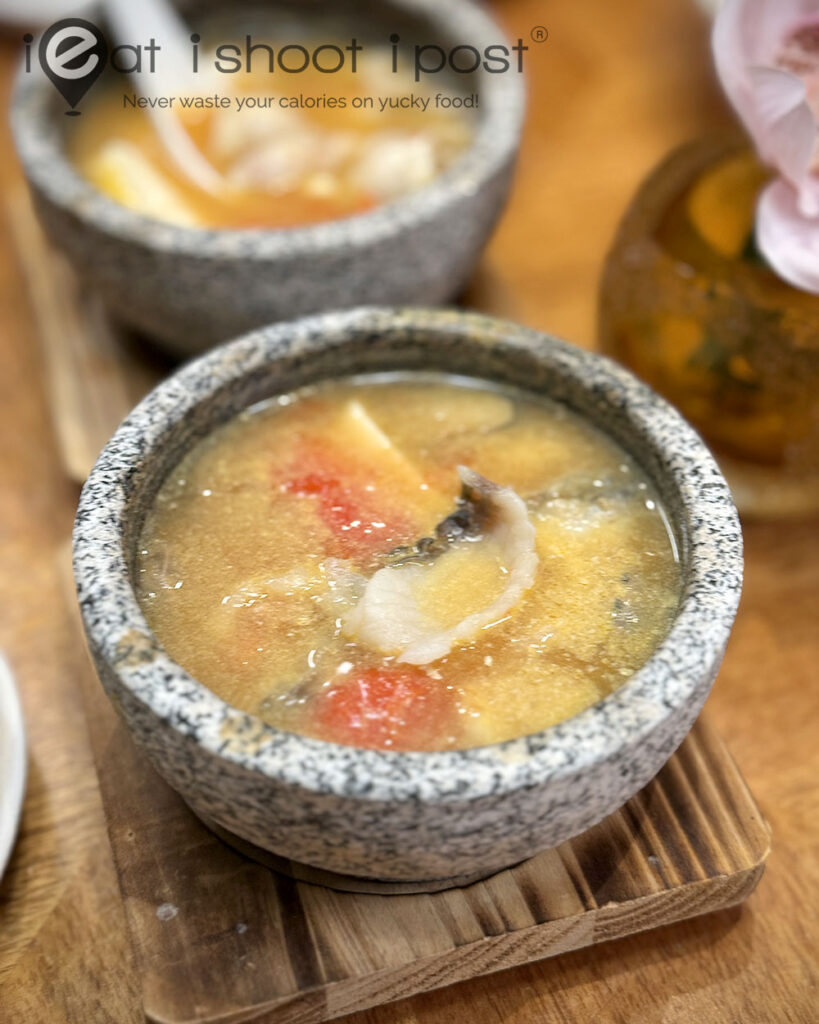
Papaya and fish soup is one of those dishes every Cantonese household seems to have a version of, usually simmered for hours and served to new mothers or anyone recovering from various maladies. There’s a reason for that. Papaya and fish are both rich in collagen, and the soup has long been believed to be nourishing, gentle on the stomach, and good for the skin.
At Xin Cuisine, the soup is made with grass carp fillet which is specially imported and priced for its unique crunchy texture you usually don’t find in fish. Served in individual stone pots, it arrives bubbling, and the subtle sweetness of the papaya comes through beautifully. This is comfort food, just a little more refined.
Tender Beef Offal Slowly Cooked in Five-Spice with Radish
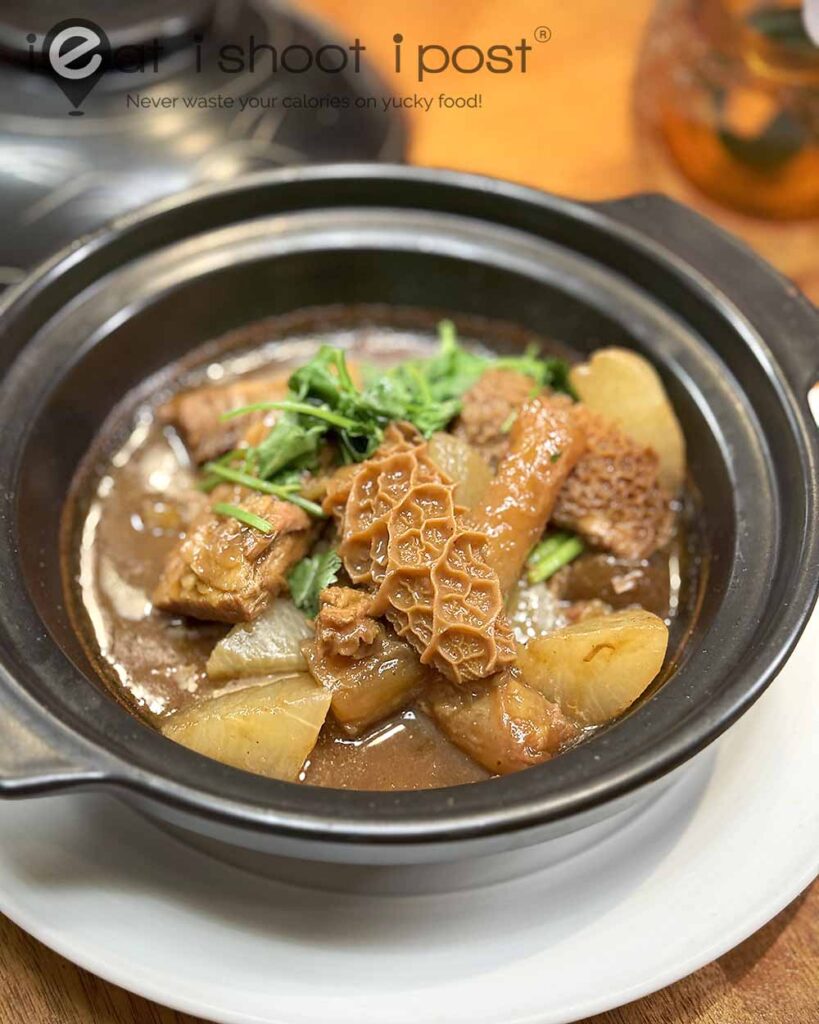
Beef offal, known as ngau zap in Cantonese, is proper street food. Guangzhou’s version of it, sometimes called niusanxing, traces back to street vendors in the late 1970s and early 1980s hawking bowls of tripe, lung, and intestine simmered for hours in a master stock built from a specific blend of spices.
When civil war sent waves of Guangzhou migrants into Hong Kong, they brought ngau zap with them, and it became a fixture of Hong Kong’s night markets too. It’s the kind of thing you’d grab from a cart at 11pm on your way home.
Here in Singapore, I’m more familiar with ngau lam, which used to be quite commonly found at the hawker centre. It’s actually the same dish, except beef brisket is the main ingredient while tripe and tendon play a supporting role. Chef called this one ngau zap, though we didn’t find any lung or intestine in the pot. What we got was essentially the familiar ngau lam, just with more emphasis placed on the tripe and tendon.
And Chef’s version is one of the best I’ve come across. It’s a little more refined in flavour, and the tendons are meltingly tender. It is definitely better than the one I make myself! It really brought back memories of the ngau lam mee I used to enjoy.
Marble Goby with Shantung Soybean Paste and White Fungus
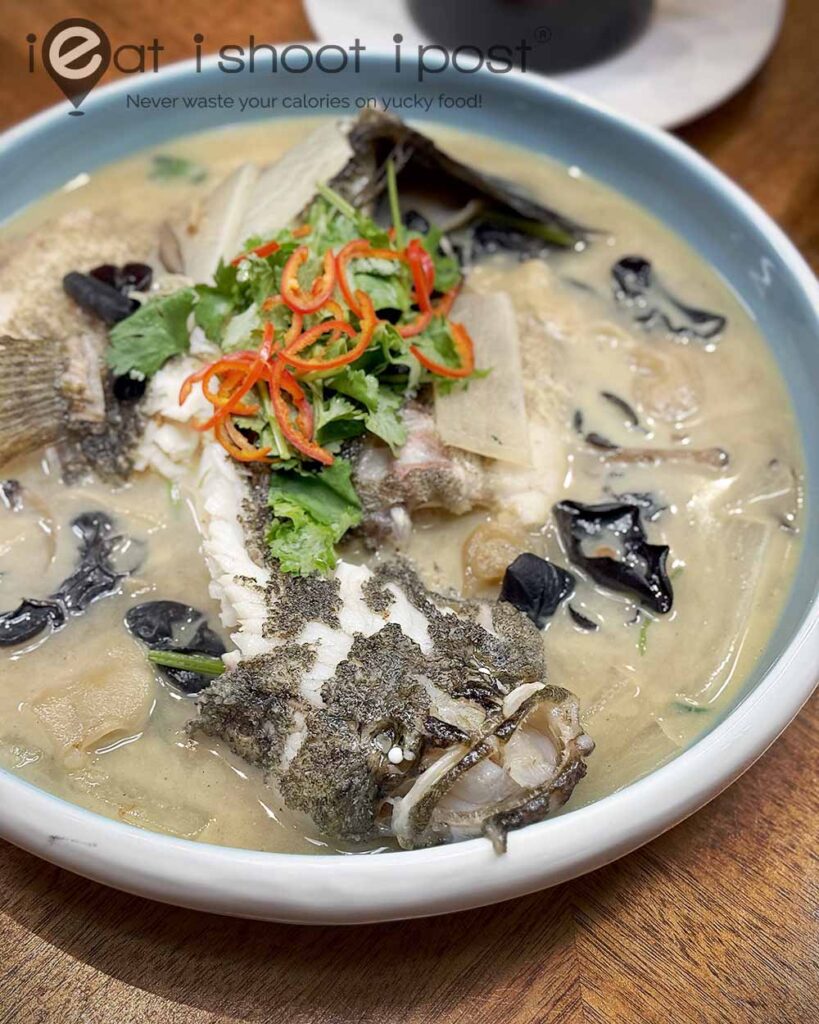
Soon hock, or marble goby, is one of those fish that Cantonese chefs treat with real reverence. It’s a slow moving, bottom dwelling freshwater fish that doesn’t look like much, but the flesh is famously sweet and tender. It is largely free of the small bones compared to other river fish, making it less of a chore to eat.
Nowadays, a lot of soon hock sold is farmed, but Chef insists on using only wild caught fish, since the quality is much better. He told us you can tell the difference just by looking at the teeth. The wild ones have very sharp teeth, while the farmed ones don’t, since they only feed on pellets.
Chef served the fish in a Shantung soybean paste that took us completely by surprise. It’s not a sauce we’d come across before, but it worked beautifully. And the black and white fungus threw in a lovely bit of crunch against the tender and flaky flesh of the fish.
Red Bean Rice Cake
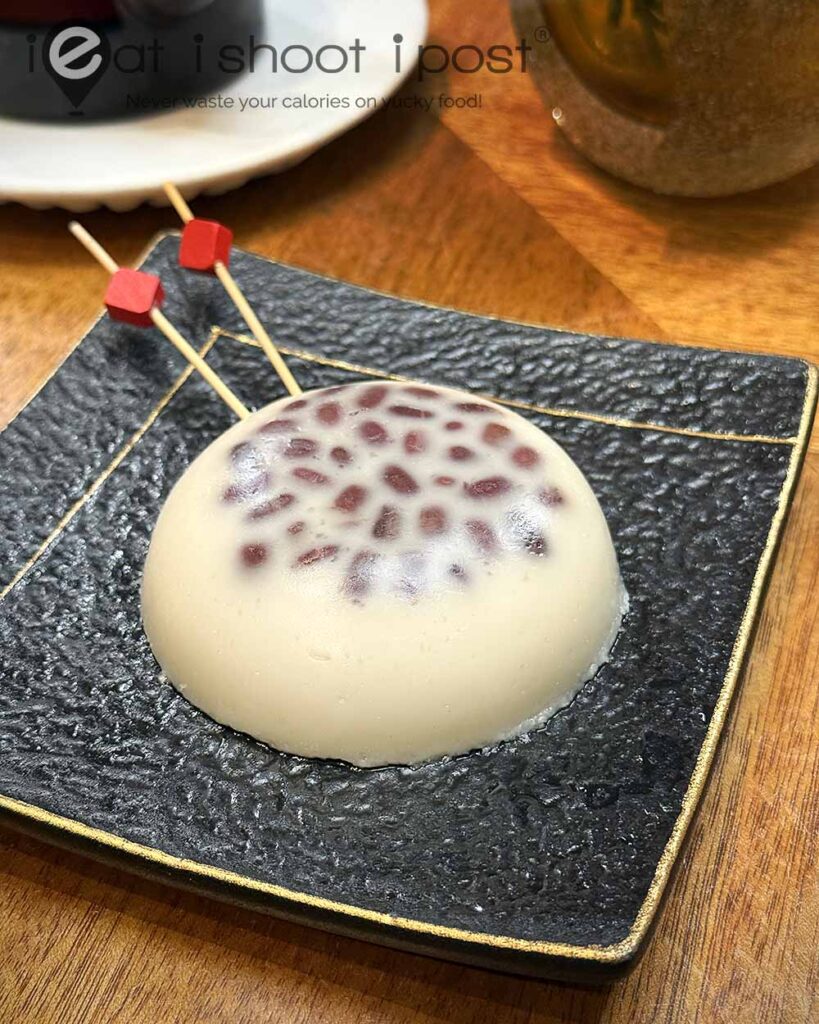
We finished our meal with this red bean dessert, a cream coloured, pudding like cake studded with red beans on top. The texture reminded me of a Nonya kueh, with that same mild, sweetness running through it.
The key to the dish is the specially procured Tianjin red beans, which Chef says are more savoury than the more popular Japanese adzuki beans. It is a pleasant dessert to end the meal with.
Conclusion
If the Shunde menu won you over last year, this new Seasonal Guangzhou Menu deserves your attention too. What struck me most wasn’t any single dish, but how consistently Chef Kwan managed to take something we already know, be it chee cheong fun, ngau zap, or a bowl of red bean dessert, and give it just enough lift to make it feel new again, without losing what made us love it in the first place!
Disclosure: This post is written in partnership with Xin Cuisine. Opinions expressed are those of our own.