
The Last Artisan Muah Chee in Singapore
I first met Mr Teo back in 2011 when I wrote about him being the last artisan Muah Chee hawker in Singapore. Fourteen years have passed, and he is still the last one standing. (At least he is still standing!) Looking at how things are going, this humble heritage snack may soon join the list of disappearing local foods.
There was a brief glimmer of hope in 2017 when Heavenly Snacks opened at Circuit Road Food Centre. They gave Muah Chee a makeover and packed them into charming little boxes that increased their perceived value. For a while, I thought this might spark a Muah Chee revival. Sadly, it didn’t take off, and the stall eventually shuttered.
These days, most of the Muah Chee you see are the factory-made kind sold at shopping centre kiosks. This stall is the only one I know of that still makes it the old-fashioned way! Here’s where the dough is kneaded by hand and the peanuts are fried with the skin on. It’s comforting to know it still exists, but perhaps not for long.
Serving Muah Chee for over 7 Decades
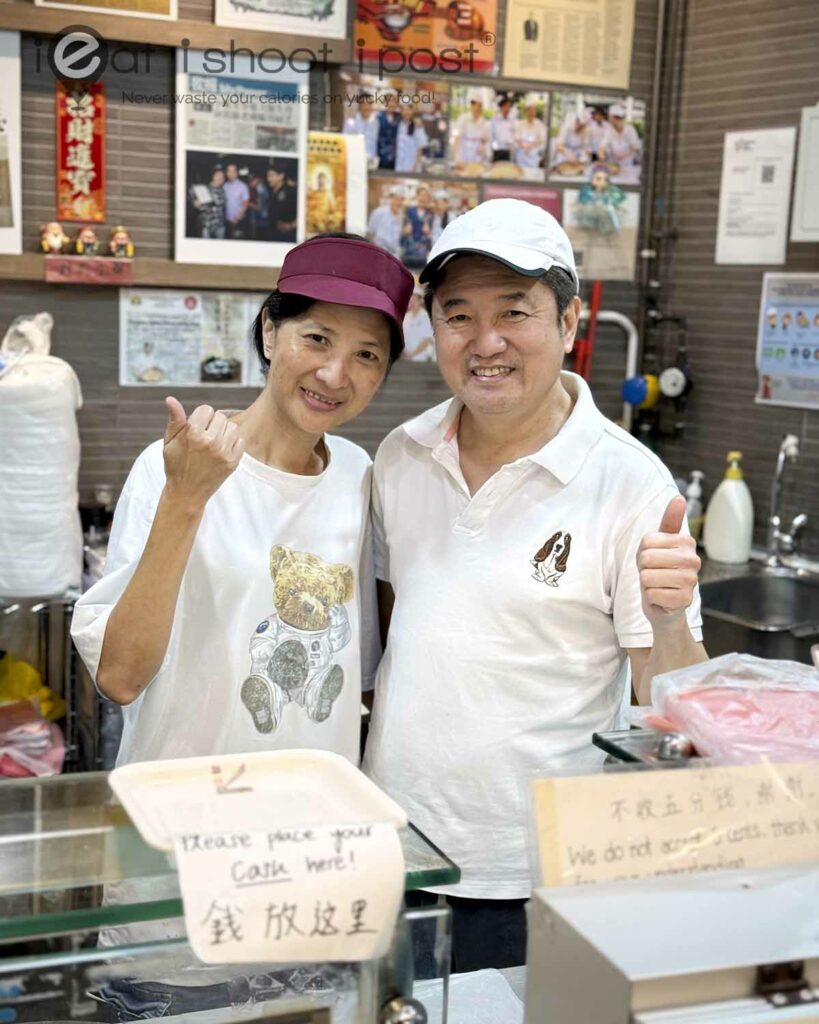
Mr Teo Yong Joo, 62, inherited the Muah Chee business from his father. What’s truly remarkable is that their family has been making Muah Chee for several generations, tracing all the way back to their roots in China.
When his father migrated to Singapore, he brought the family craft with him and started a Muah Chee stall in 1952.
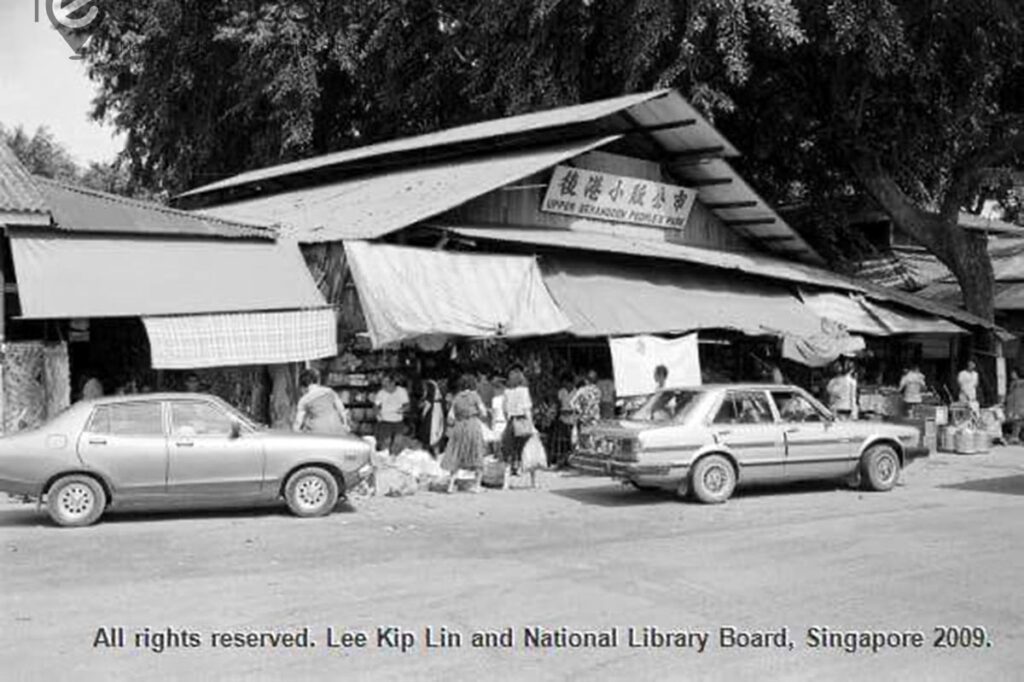
Back in those days, his dad would carry the Muah Chee in a pole-and-basket setup and sell it at the old Hougang 6 Mile Market. Teochews call the market Lak Kor Jior. Back then, each serving of Muah Chee would even come with a complimentary cup of tea.
The wet market was located along Simon Road. This used to be home to several well-known hawker stalls, including the legendary Nam Sing Hokkien mee!
Mr Teo took over the reins from his father in 1988. This is despite of his father’s efforts to dissuade him because of the long and tiring hours. Looking back, it’s a pity his father didn’t secure a hawker stall when the old market was torn down. If he had, Mr Teo would now be running a legacy stall with heavily subsidised rent. That would made it easier for him to practice his craft.
Over the years, Mr Teo has had to move several times, each time driven by rising rental costs. When I first met him in 2011, he was selling Muah Chee at a coffeeshop in Hougang. It wasn’t even a proper stall — just a small setup right in front of the coffeeshop. When the landlord raised the rent, he had no choice but to pack up and leave.
Challenges of Staying in Business
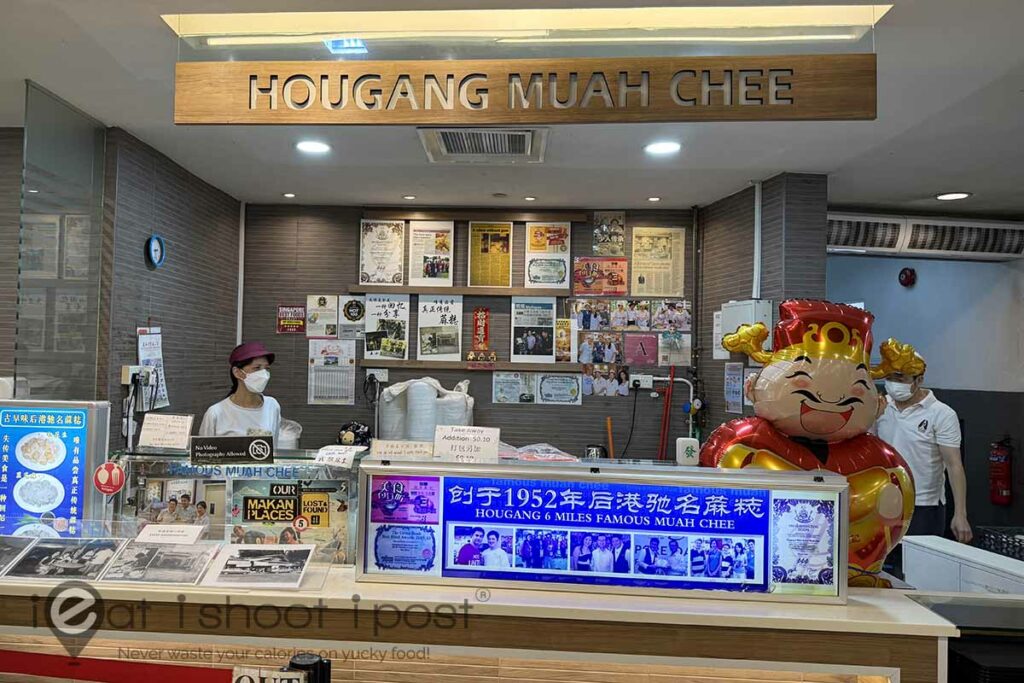
Thankfully, he eventually found a permanent home at the Toa Payoh Hub. The management there appreciated the cultural value of his handmade Muah Chee and offered him a proper stall. For now, he says things are still manageable, but it wouldn’t take much for him to call it a day. (eg increased rent or poor health) Once he retires, we may never see this level of craftsmanship again.
Aside from struggling with rental and manpower, Mr Teo also faces an uphill battle when it comes to the appreciation of his handmade Muah Chee. A quick scroll through the Google reviews and you’ll notice that not many locals truly understand the artisan nature of what he does. One common complaint is the price.
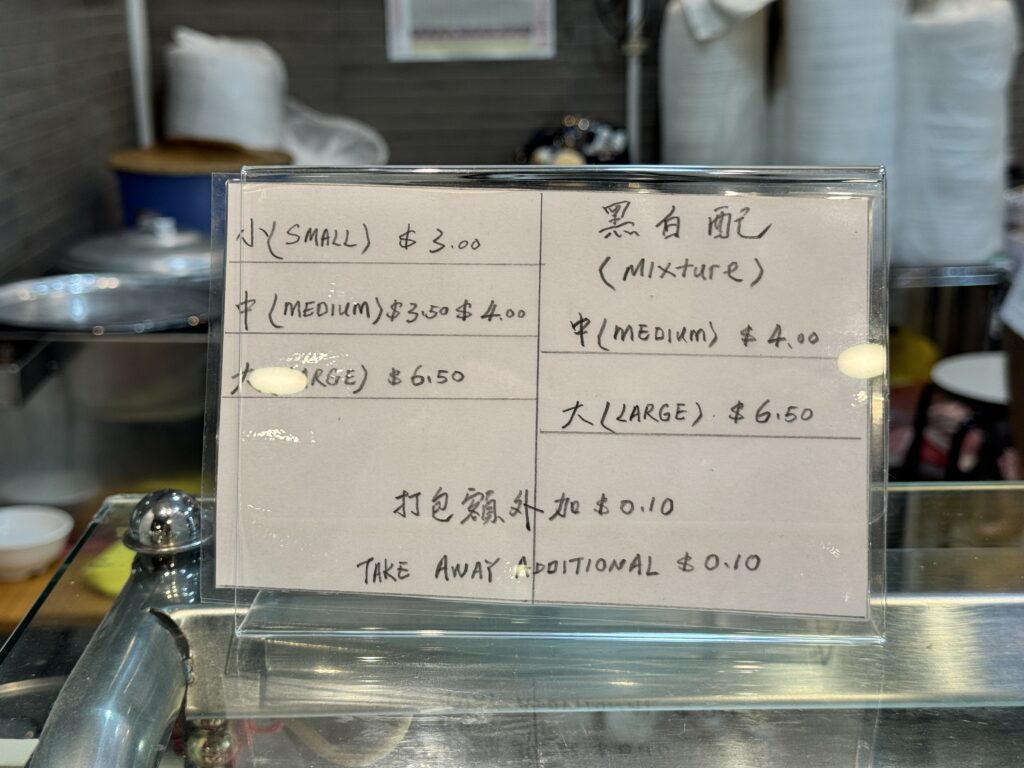
At $4 for a medium-sized portion, it may seem a little steep for what many still consider a humble snack made with inexpensive ingredients. When compared to a plate of Chicken Rice, it’s easy to see why some would be taken aback when they see the portion of muah chee for the price they paid.
But put it next to a cup of espresso or a box of Japanese Warabimochi — which is almost the same thing — and suddenly it doesn’t seem so unreasonable. (Especially if it also came in an attractive box)
The Traditional Way of Making Muah Chee
One of the key things that makes or breaks a dish these days is the way it’s presented. It’s not just Mr Teo, but many hawkers still don’t see the need to make their food look attractive or “Instagram-worthy”. You can’t really blame them. For decades, the message has been that hawker food must be cheap and affordable. So naturally, the focus has always been on taste and quantity rather than looks. When margins are already tight, presentation becomes the last priority.
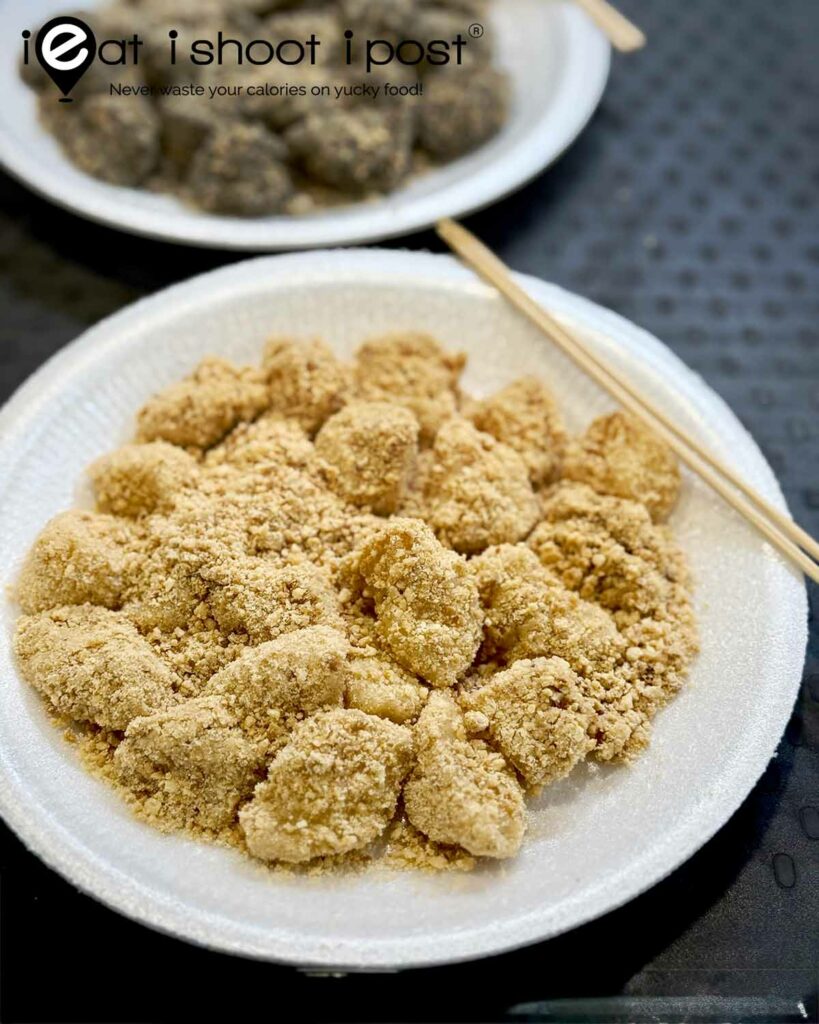
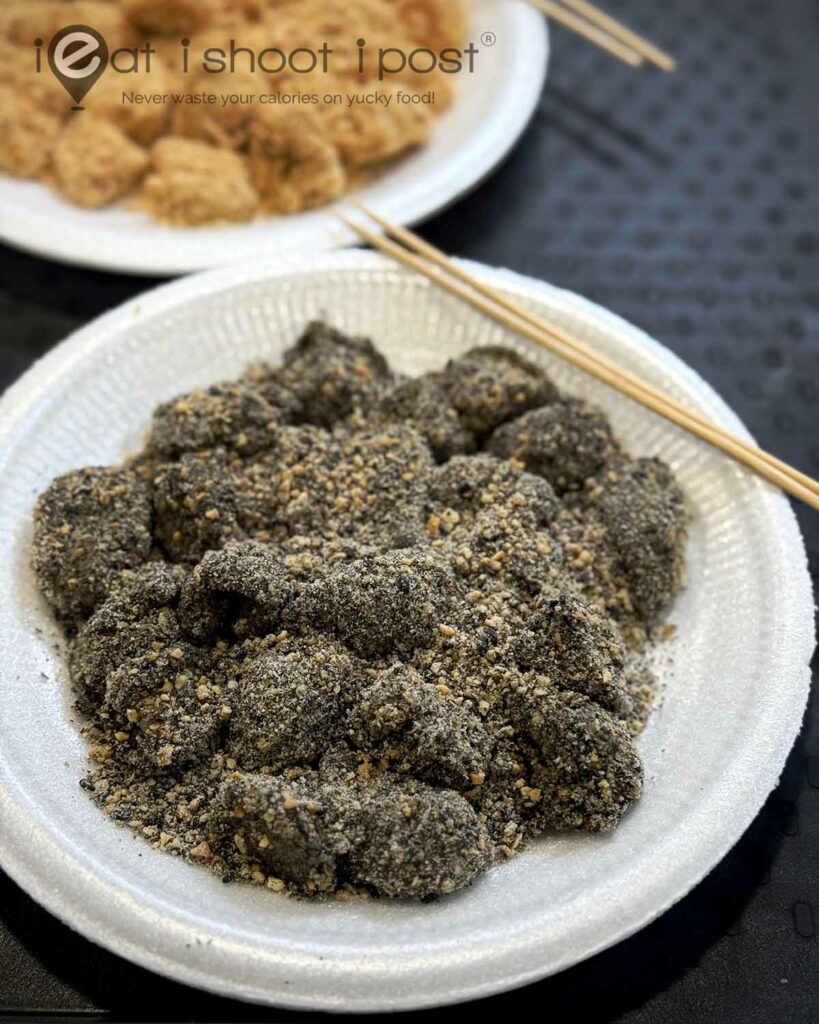
I must admit that a few pieces of muah chee sitting on a plain white foam plate don’t look like they’re worth $4. And especially if you assume it is the same as the factory-made muah chee you see at the shopping centre kiosk.
After cooking the glutinous rice flour, the dough is kneaded and pounded by hand to achieve that signature bouncy texture. This crucial step is often skipped in many online recipes, where the flour is simply microwaved to form the kueh. The Japanese, of course, turn it into a performance—pounding mochi with wooden mallets and slapping it rhythmically by hand!
Another essential component is the fried shallots. Mr Teo still insists on making his own from scratch: peeling and slicing the shallots before patiently frying them till golden and crisp. Each piece of muah chee is then stretched and pinched off, dipped into the fragrant shallot oil, and generously coated with freshly ground peanuts. He even insists on roasting the peanuts with their skin on, before meticulously removing the skin and grinding the peanuts. It is way more fragrant than the factory-made ones, which tend to be dry and lacking aroma.
As you can see, a lot of work goes into making this humble snack, if you want to do it well! Unfortunately, all the artistry is lost when it is served on a boring foam plate! I have tried to encourage Mr Teo to improve on the presentation, but to no avail because he says it is already a challenge to keep his prices competitive and he can’t afford the extra cost.
Interview with Mr Teo
Do watch the my video interview with Mr Teo where you can hear him tell you in his own words.
How might we preserve this heritage dish?
I’ve been advocating for some form of official recognition for our heritage dishes for years! But so far, nothing has come out of it. Lately, we’ve seen a wave of Chinese restaurants opening here. And I’ve noticed that some of them have dishes officially recognised as heritage food by their local authorities. For example, Lee and Bai display a certificate issued by the local authorities that recognizes their pork bun as an item of intangible cultural heritage.
So the question is—when will we start doing the same for our local dishes? With proper recognition, heritage foods like Muah Chee might stand a chance of surviving. One of the reasons Hougang Muah Chee is still around today is that the food court management valued its heritage value (kudos to Koufu). But that support was informal. All it takes is a change in management, and they might be forced to retire.
We also need to do more to educate the public about the heritage behind our dishes. Singaporeans need to learn to be more discerning and to appreciate the labour and skill behind these traditional foods. Too often, the focus is only on portion size and flavour, without thinking about the effort that goes into making something by hand. It’s a mindset that will take time to shift. Hopefully, with more awareness and pride in our food culture, things will change.
Conclusion
When I published The End of Char Kway Teow back in 2010, the editor chose the title to highlight how some of our heritage dishes might be heading towards extinction. While I still feel that the future of Char Kway Teow remains uncertain, the danger of artisan Muah Chee disappearing in the near future seems almost certain. But before that inevitability arrives, you still have a chance to taste the real thing at Hougang Six Mile Muah Chee. So please support them and help spread the word!
Postscript 24 Sep 2025
We found a young lady continuing the old school way for making this traditional dessert at the basement of a residential mall in Thomson. Check out – Ah Mah’s Legacy