
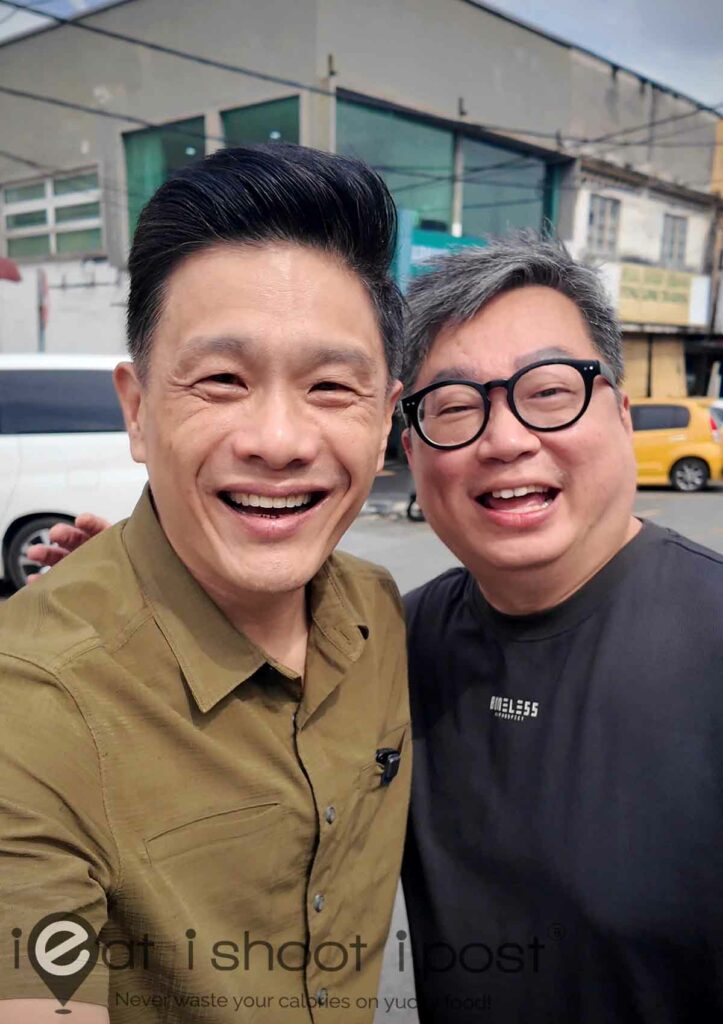
I just returned from a three-day food trail in Kuala Lumpur. This time, I had a very enthusiastic guide, Keanu Chow of @GoodTasteOzapomei, who brought us on a whirlwind food tour. Keanu, like myself, is passionate about celebrating our hawker heroes and preserving local food culture.
In this post, I list all the places we visited. Rather than ranking them, I will follow our Local MOE (ministry of education) style and group them into three bands:
Band 1: Will Definitely Go Back Again
Band 2: Won’t Mind Going Back Again
Band 3: Good to Try, But No Need to Return
Band 4: So Bad, I Don’t Even Want To Tell You About It
The food trail video highlights some of the places we visited, along with my immediate reactions. For more detailed thoughts, please read my blog entry, as my final verdict may change after I’ve had more time to evaluate the experience and consider inputs from my friends. So do read the rest of this post and don’t say I never told you.
Review
Band 1: Will Definitely Go Back Again!
1. HK Roasted Goose King
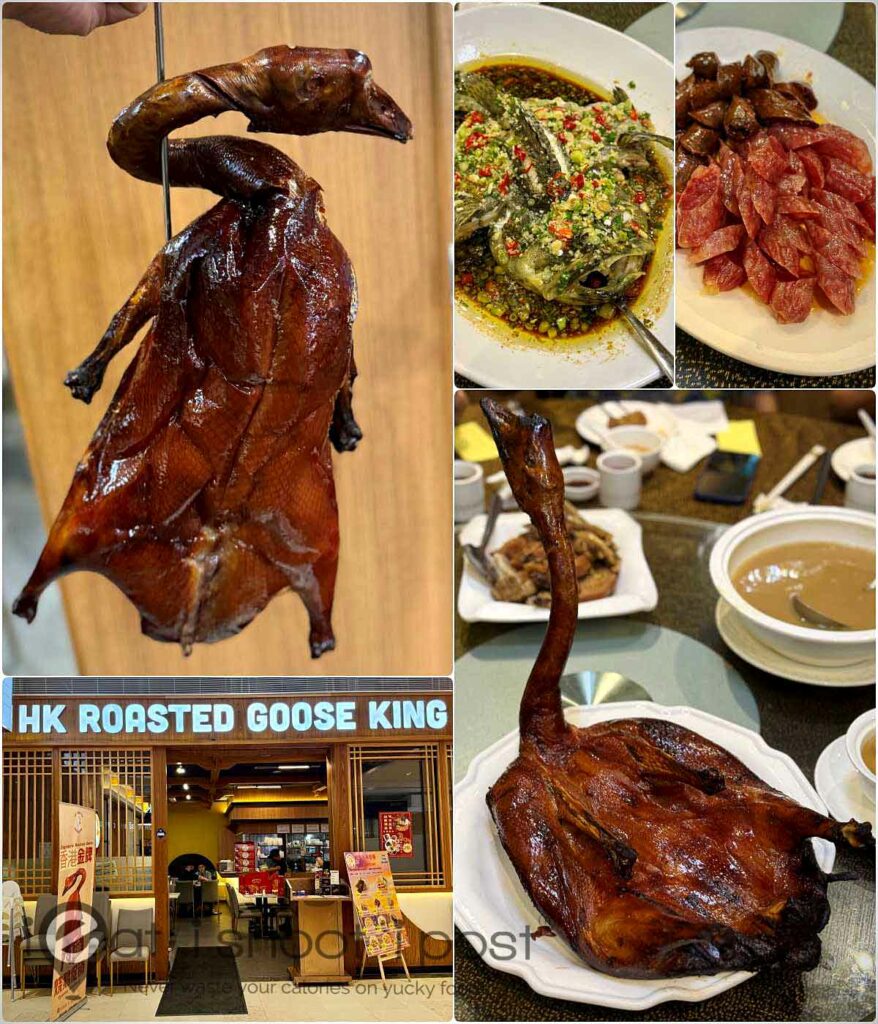
This restaurant was the reason for my trip to Kuala Lumpur. It is opened by my Hong Kong foodie friend Terrence, whom I met years ago when he launched Mui Kee in Singapore. I later visited him in Hong Kong, where he brought me on an unforgettable food tour—that was when I fell in love with Roast Goose. So naturally, I was very excited when he told me he was opening a roast goose restaurant in Kuala Lumpur.
They offer two styles of roast goose: the traditional Cantonese Roast Goose and the pipa goose. Both are excellent, each offering a slightly different experience. With the pipa goose, the goose is flattened so the seasoning can be applied evenly across the abdomen, allowing you to taste the aromatics more distinctly. However, it is not as juicy as the traditional style, which remains my personal favourite.
Before my trip, a friend told me that the roast goose here was just as good as the ones in Hong Kong. I was, of course, unconvinced at first. But now that I have tried it, I can safely say this: if you miss Hong Kong–style Roast Goose, you no longer need to travel so far to get your fix.
The restaurant is set up as a casual roast-meat joint, but the chef is very skilled, and the other dishes are equally impressive. Do not miss the lap cheong, which is specially imported from Hong Kong. It is served simply steamed, yet the fragrance of the rose wine is remarkably pronounced. Their steamed grouper with garlic, green Sichuan peppercorns, and chilli padi—another creation by the chef—is also a must-try.
Hong Kong Roasted Goose King
Lot 1.17.00 Level 1, Pavilion Damansara Heights, Pusat Bandar Damansara 50490 Kuala Lumpur, Wilayah Persekutuan, Malaysia
Map and Details
2. Ah Hei Bak Kut Teh
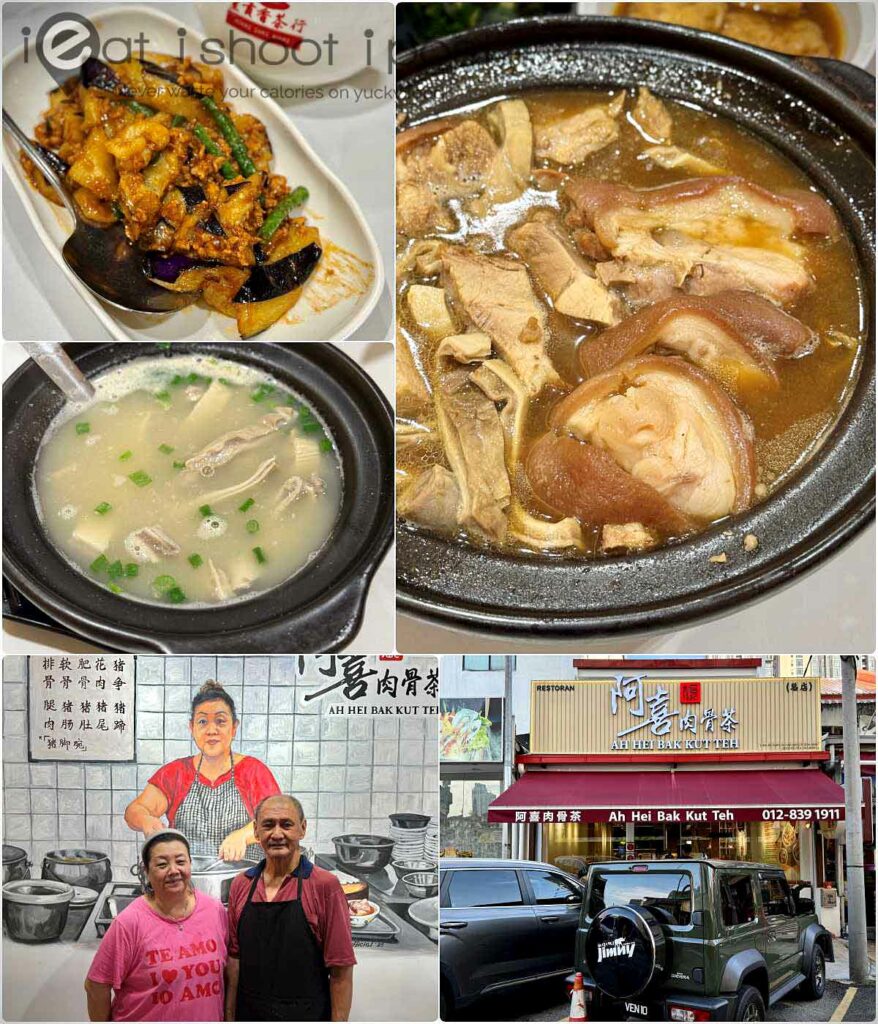
Over the years, I have tried the Malaysian-style herbal bak kut teh many times. It is always enjoyable, but it never challenged my preference for our local peppery version. Well, Ah Hei has managed to change my mind. I found the soup here to be wonderfully balanced and deeply comforting. The soup is robust and really packs a punch without being overly herbal.
One advantage the Malaysians have over us is the quality of their local pork. The meat here is excellent, and with Malaysian-style bak kut teh, you also get a wider selection of cuts. Aside from the prime ribs, I really enjoyed the elbow, where the skin is thick, gelatinous, and delightfully bouncy.
For over 30 years, this family-run gem in Medan Imbi has been simmering its signature bak kut teh from 5 AM daily, using a secret blend of 16 Chinese herbs. They used to occupy only the ground floor, but after a major renovation, they now operate a casual two-storey eatery where you can dine in air-conditioned comfort. The Michelin inspectors got this one right when they listed Ah Hei as a Bib Gourmand establishment.
Ah Hei Bak Kut Teh
33A, Medan Imbi, Imbi, 55100 Kuala Lumpur, Wilayah Persekutuan Kuala Lumpur, Malaysia
Map and Details
3. Zheng Kee Chicken Rice
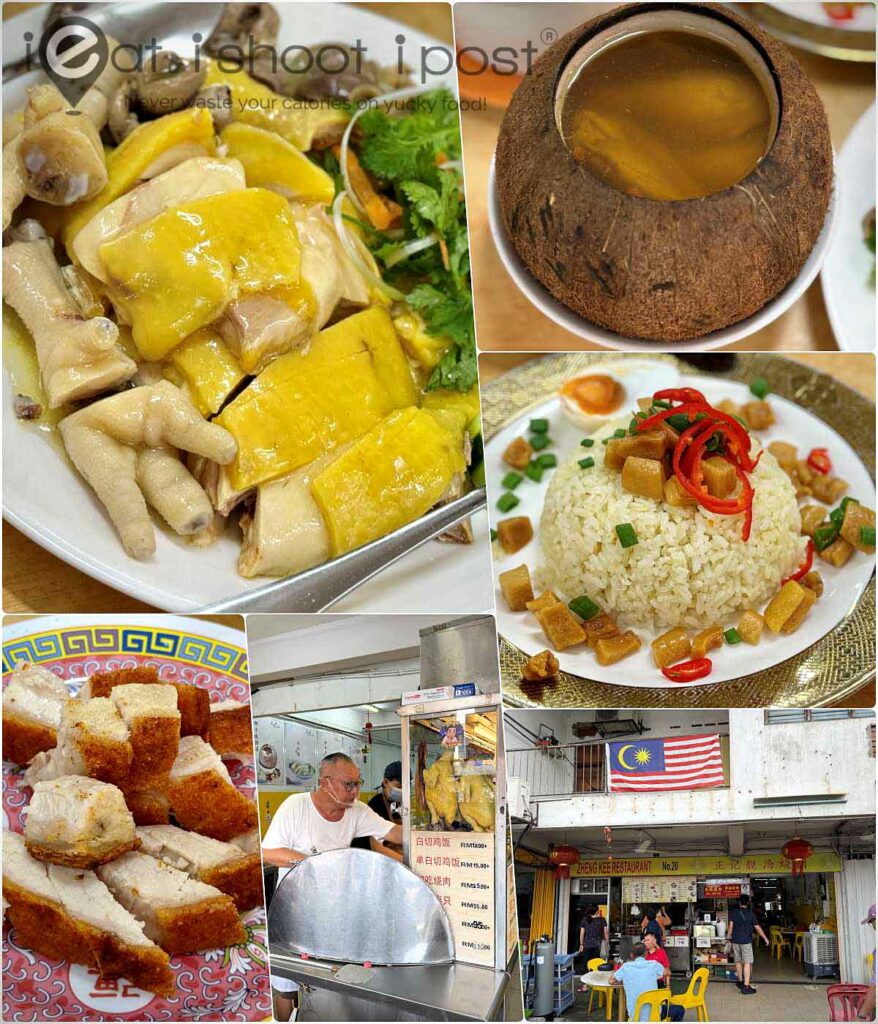
Singapore may be the Chicken Rice capital of the world, but I have to admit that the Malaysians enjoy access to better quality chickens than we do. Over the course of our three-day food tour, we tasted white poached chicken several times. Each version had its charm, yet the one place I would make a return trip for is Zheng Kee. Their chicken is exceptional in every sense. They use two and a half kilogram free range birds with skin that is thick, crunchy and wonderfully satisfying. The natural flavour is so pronounced that the owner insists on serving the chicken with nothing more than a spoonful of the cooking broth. It is confident cooking, and it shows.
Their roast pork is another reason to visit. It is one of the best I have come across. The crackling is thin and crisp. The meat beneath remains juicy and tender while still holding its shape. Every bite gives you that perfect balance of crunch and succulence.
Yet another reason to visit is their remarkable coconut soup. The owner personally selects old coconuts from a special plantation and double-boils the soup within the husk itself. The result is stunning. The broth is rich, aromatic and layered with natural sweetness from the coconut. Must order when you are there!
I will say that when it comes to the rice, we still lead the competition. The quality of Malaysian rice simply does not match what we enjoy in Singapore. That said, they do offer a plate of rice topped with pork lard. It is rich, indulgent and certainly not for the faint-hearted, but it is undeniably delicious.
Zheng Kee Chicken Rice
19, Jalan 17/42, Taman Kok Doh, 51200 Kuala Lumpur, Wilayah Persekutuan Kuala Lumpur, Malaysia
Map and Details
4. IPOH IPOH Cafe
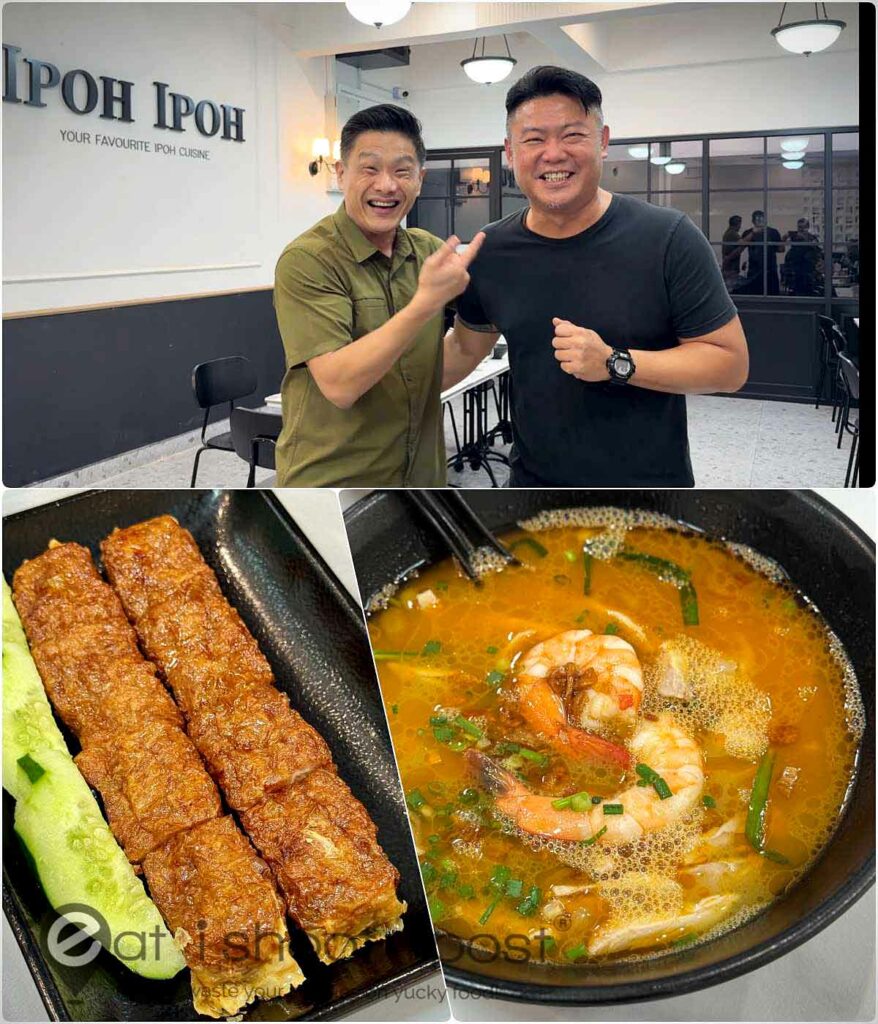
When Terrence suggested we go to Ipoh Ipoh for their Ipoh Hor Fun, I thought he must be joking. Why come all the way to Kuala Lumpur just to eat Ipoh Hor Fun? How could it possibly be better than the ones in Ipoh itself?
Boy, was I in for a surprise. Not just one, but two surprises!
The first was when I discovered that the chef was someone I had actually watched on YouTube. I had learned so much from his videos and had assumed he must have been a zi char chef for years. It turned out that, at the time of filming, he had only been cooking for a little over a year. He had made a career pivot and was training under his aunt. The moment was so meaningful that we had to reenact it for the video!
Chef Eric is unencumbered by tradition, which is why he’s always thinking outside the box to improve his recipes. He told me that he developed his own technique of deep-frying whole prawns before grinding them up and infusing them into the soup. This is a departure from the traditional method, which uses mostly prawn heads. The resulting broth is naturally sweet from the prawn meat and has exceptional depth.
Having just completed a food trip to Ipoh, I have to admit that the Ipoh Hor Fun at Ipoh Ipoh is indeed better than those I tried in Ipoh.
Ipoh Ipoh Cafe SS2/PJ
133, Jalan SS 2/6, SS 2, 47300 Petaling Jaya, Selangor, Malaysia
Map and Details
5. San Tong Sang Har Meen
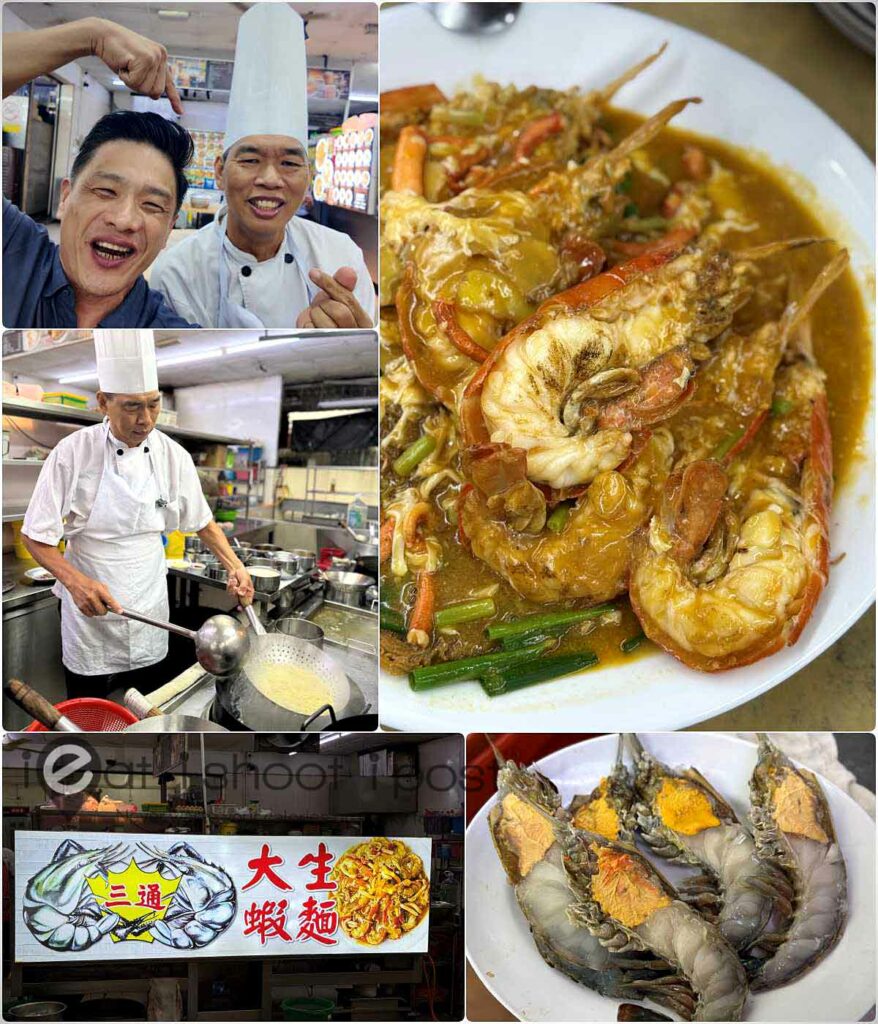
One of my most pivotal food memories was from 15 years ago, when my cousin first brought me to Greenview Restaurant to try their Sang Har Meen. It was the flavour that captured me—the crispy fried noodles drenched in rich seafood gravy, bursting with the intense aroma of prawn tomalley. It instantly became one of my must-return places whenever I visited Kuala Lumpur.
When I revisited last year, I was disappointed to find that the dish seemed to have lost its mojo. But thanks to Keanu, we managed to track down the original chef who popularised the dish at Greenview over twenty years ago.
Now, the chef operates out of Good View Coffeeshop, which he said was a lucky coincidence. When he started the stall four years ago, he offered both frozen river prawns and fresh ones, which were more expensive. Today, he serves only fresh river prawns air-flown from India, believing their flavour is far superior.
Chef kindly demonstrated his method of frying the noodles, a process that takes about five minutes per batch. He begins with a ball of regular wanton noodles, which he quickly blanches in water, strains, then spreads carefully over a hot wok filled with plenty of oil. The key is to ensure the noodles make good contact with the wok, allowing them to crisp perfectly. It takes patience and skill to achieve the ideal texture, which is why the chef insists on cooking every dish himself.
The flavour this time was close to what I remembered—though I must admit, it’s never quite as magical as the very first time. Still, if you, like me, treasure memories of Sang Har Meen at Greenview, it is definitely worth making the trip to this stall to find the chef.
One word of warning: one kilogram of river prawns costs RM300, and each prawn weighs about 600 grams, so be prepared to spend. However, considering the quality of the prawns and the freshness compared to frozen varieties often used in restaurants, it is excellent value for what you get.
San Har Noodles
1091, Jalan 17/27, Seksyen 17, 46400 Petaling Jaya, Selangor, Malaysia
Map and Details
6. Min Jie Curry Noodles
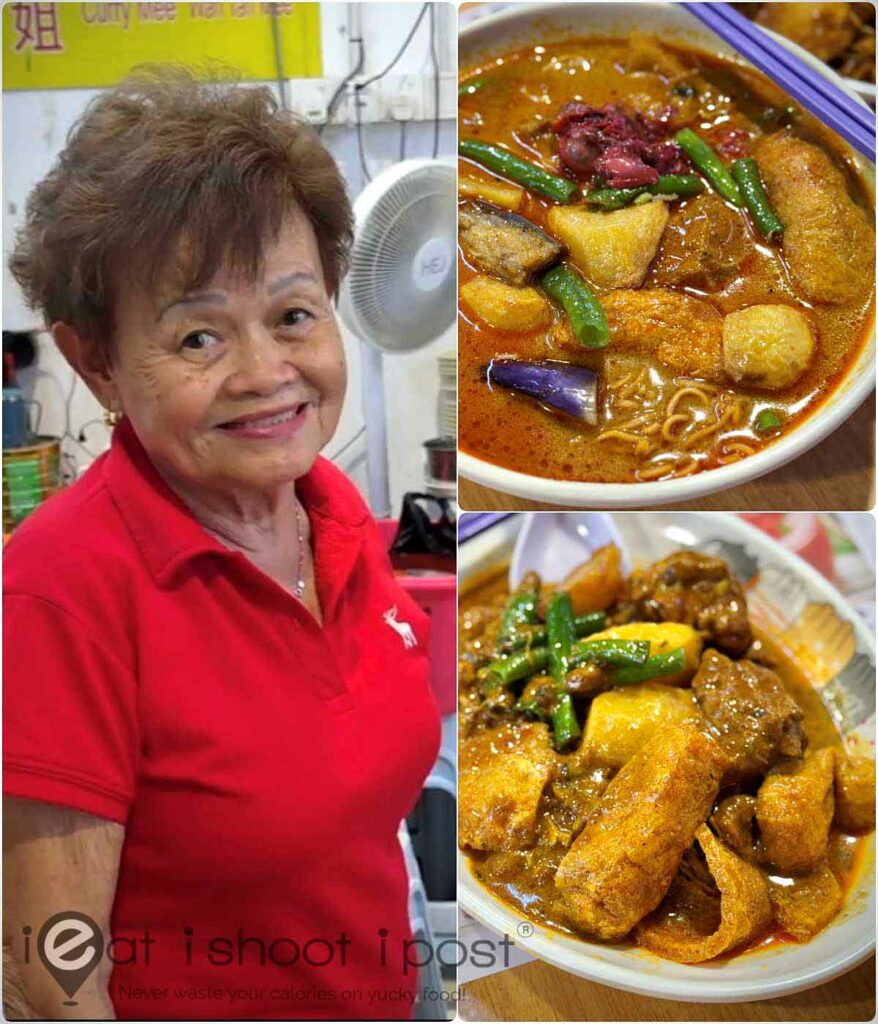
Malaysian curry mee is quite different from the Singapore version, though I’m never quite sure why. Whenever I ask about the ingredients, both sides seem to share the same rempah base. Yet, the Malaysian curry has a unique character that sets it apart from what we find at home.
Min Jie has been serving her famous curry for nearly fifty years. Despite being a sprightly 70-year-old, she still warmly greets every customer and energetically dishes out her curry with the same passion as ever. The curry is incredibly addictive and absolutely worth making the trip for.
Between the soup and dry versions, I prefer the soup. The gravy is not overly rich and very drinkable and really hits the spot. One important tip: go early, well before lunch, because they often sell out fast!
Min Jie Curry Noodles
39G, Jalan Lembah Maju 3/3, Taman Lembah Maju, 55100 Ampang, Wilayah Persekutuan Kuala Lumpur, Malaysia
Map and Details
Band 2: Won’t Mind Going Back Again
7. Missokimissok Restaurant
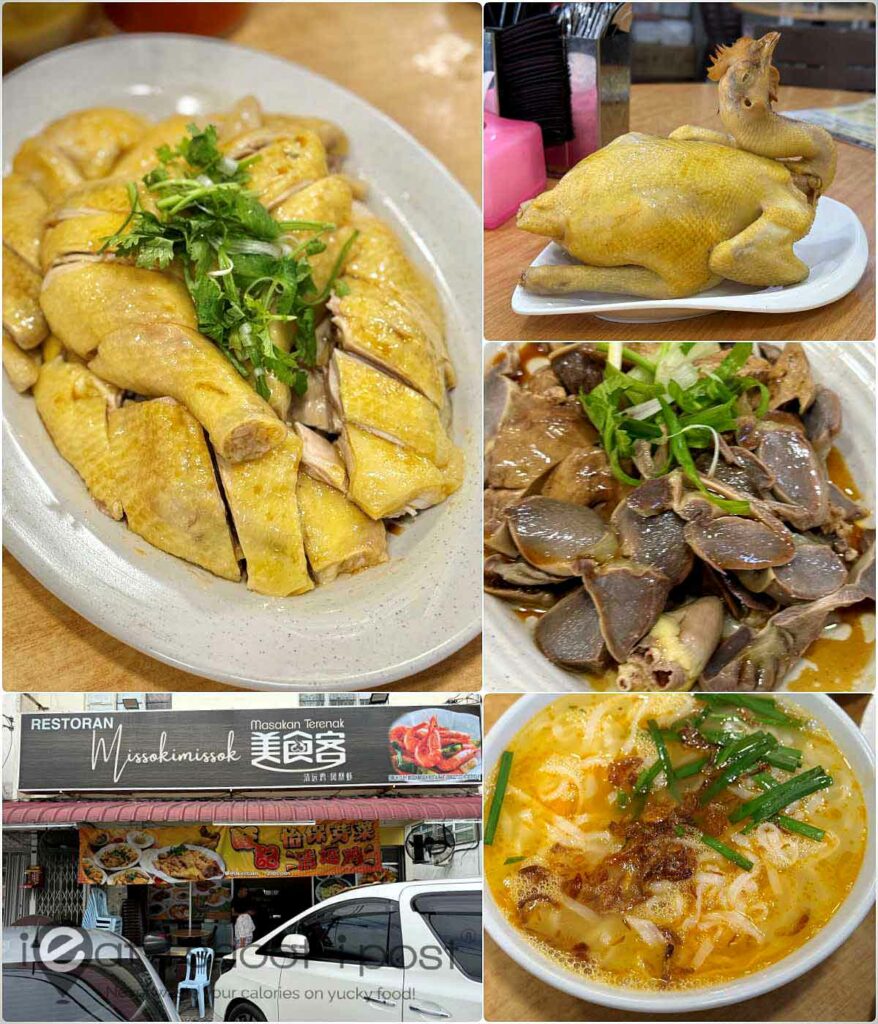
Another restaurant that serves excellent white poached chicken is Weng Kee, located in a quirky-named eatery in Kuala Lumpur. The owners actually run their own free-range chicken farm in Ipoh and opened this outlet to bring an authentic Ipoh experience to KL.
They use two-kilogram chickens, which are smaller than those at Zheng Kee (see above), but they sell the whole bird for RM 68 — about half the price of Zheng Kee’s. Alongside the chicken, they serve bean sprouts specially sourced from Ipoh, as well as classic Ipoh favourites like Ipoh Hor Fun and prawn mee.
If you want a taste of genuine Ipoh-style chicken rice without leaving Kuala Lumpur, Weng Kee is a great choice.
Missokimissok Restaurant 美食客
28, Jalan Kaskas 3, Taman Cheras, 56100 Kuala Lumpur, Wilayah Persekutuan Kuala Lumpur, Malaysia
Map and Details
8. Gerai Makanan Sai Kee
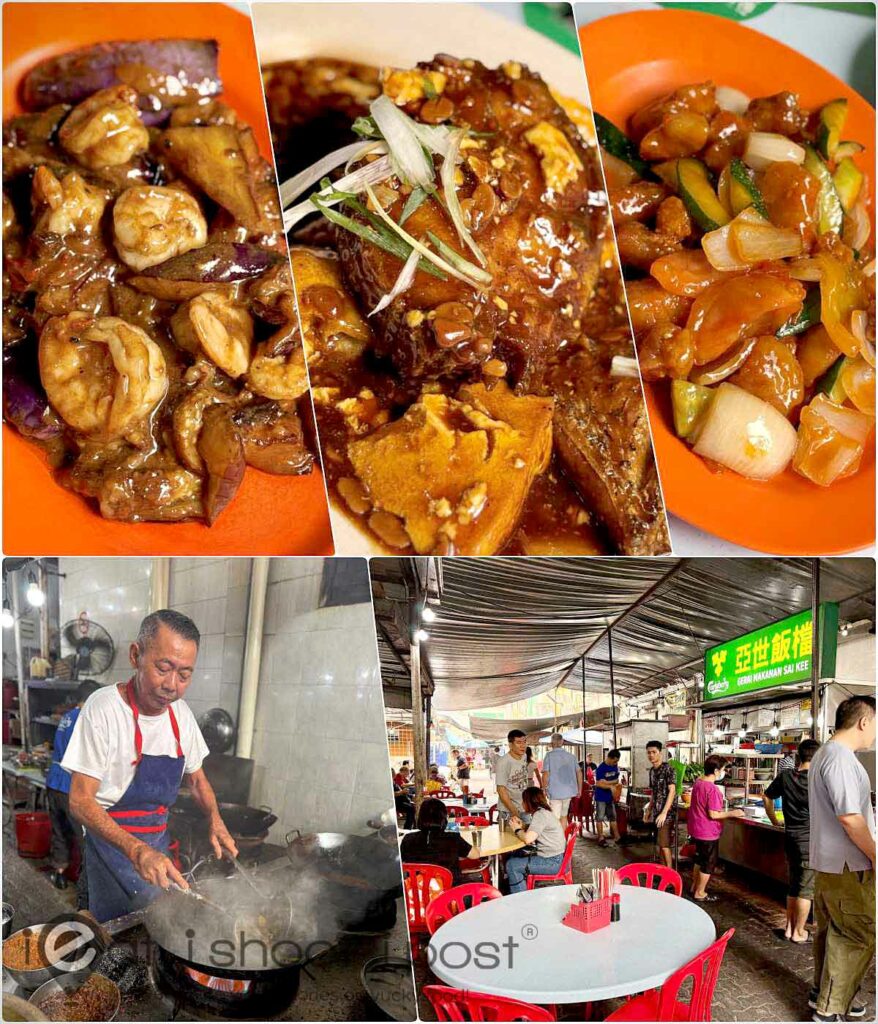
Tucked away in a back alley of KL’s Chinatown, this rustic zi char spot offers a nostalgic glimpse into what dining was like in Singapore during the 1950s and 60s. We sampled their fish with tofu, sweet and sour pork, and eggplant with shrimp. Each dish was bursting with salty, robust flavours that practically begged to be enjoyed with a steaming bowl of rice.
Despite its tucked-away location, I was told the place is often frequented by millionaires who likely grew up eating at this very stall. The third-generation chef-owner is a striking picture of calm and quite unusual for a busy zi char kitchen. He seemed to be in his own zone, gracefully moving like he was practising Tai Chi with the wok as he expertly prepared each dish.
Gerai Makanan Sai Kee
Kuala Lumpur City Centre, 50000 Kuala Lumpur, Federal Territory of Kuala Lumpur, Malaysia
Map and Details
9. Yinlau Restaurant
If you’re visiting Kajang for satay and looking for seafood zi char, this restaurant might just fit the bill. It is a relatively new establishment opened by a chef who had to close several of his restaurants during the Covid pandemic. After a stint working in Singapore, where he picked up fresh ideas, he returned to Kuala Lumpur to restart his restaurant business. He has quickly built a strong following, and due to growing demand, the restaurant is set to relocate to a more upscale location in early 2026.
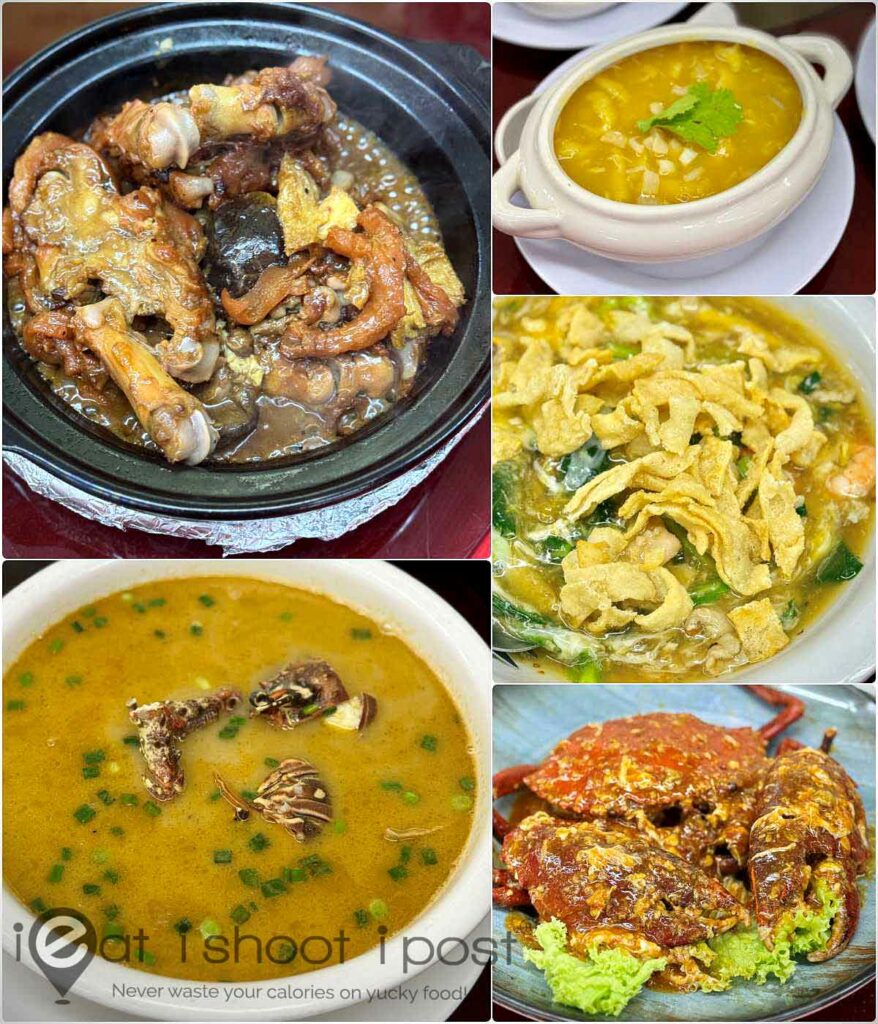
Beyond the usual zi char favourites, the chef showcases dishes inspired by his time in Singapore. Highlights include lobster porridge, Yuan Yang hor fun, and chili crabs. The lobster porridge was excellent and definitely worth trying. When it comes to chili crabs, however, I believe it’s better to enjoy them here in Singapore. The crabs in Malaysia tend to be smaller and quite pricey.
The standout dish of the evening for me was the braised pork tendon — a true collagen heaven. The whole claypot was so rich with sticky gelatin that it felt like a natural remedy for osteoarthritis. If you could eat the entire pot yourself, you’d be doing your joints a huge favour!
Yinlau Restaurant
Map and Details
10. DKing Durian Wonderland
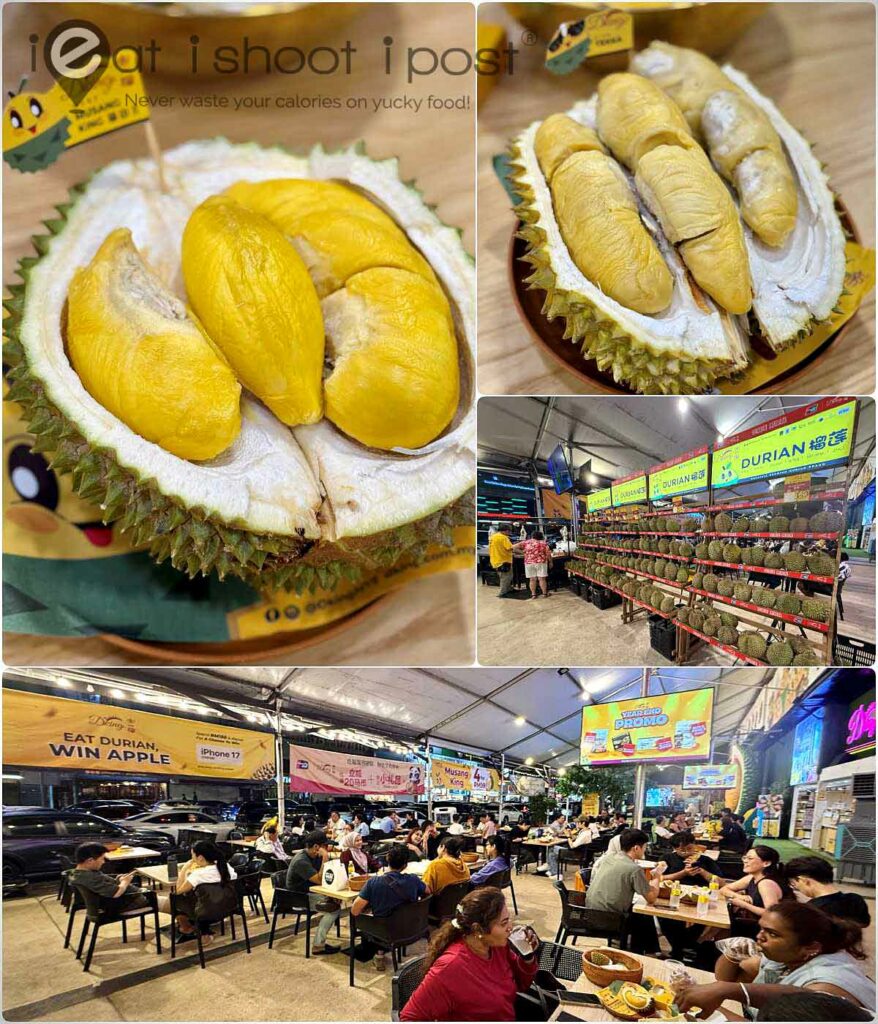
If you are looking for durians, one of the most popular place to enjoy them is DKing SS2 aka Durian Wonderland. Their premises in SS2 are large and airy, and they have built a strong reputation for offering quality durians with a no-nonsense exchange policy. Over the years, they have also become a major exporter of durians to China, which is how Xi Jinping got into the picture—literally. Even President Obama had his durians there.
We were privileged to use the VIP room because our host, Terrence, is a frequent customer. The quality of the durians is very good, but do not expect to find any rare varieties that you cannot already find in Singapore.
DKing SS2 Durian Wonderland
Map and Details
11. Imbi Pork Ball Noodles
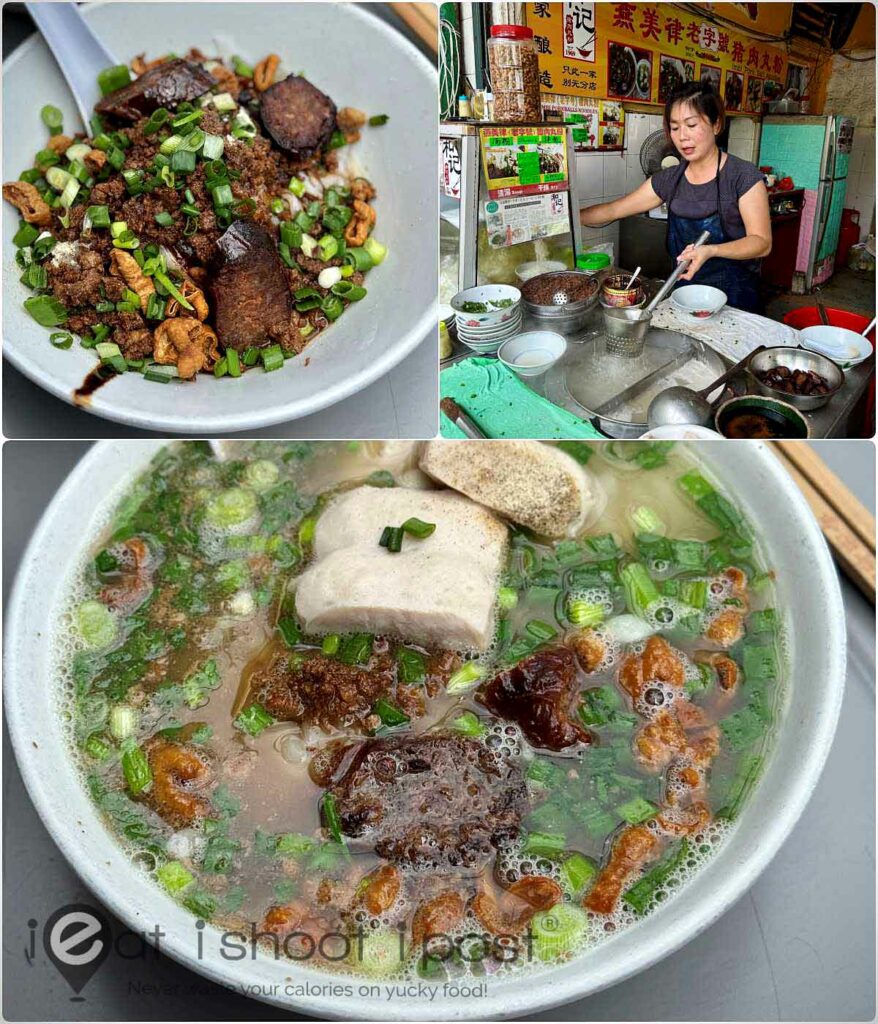
This stall, located just down the road from Berjaya Times Square, has been serving pork noodles since 1969. Three things make their pork noodle soup special.
First, their house-made pork “balls” — which look more like little cocktail sausages without the casing, stuck together in pairs. Second, the house-made ngor hiang sausage, which features a unique blend of spices. Finally, their crispy fried intestines add a distinctive crunch to the dish.
It’s well worth a quick detour to experience this!
Imbi Pork Ball Noodles
Map and Details
12. Pudu Pasar Wanton Mee
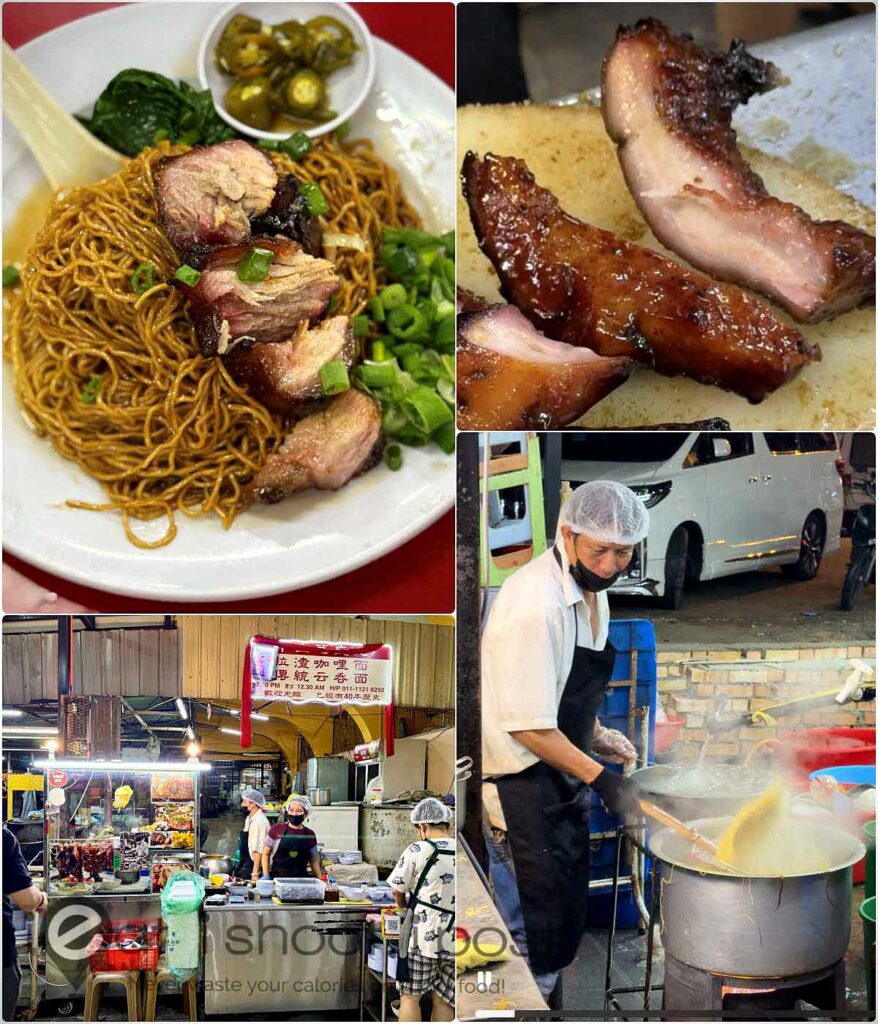
When I saw Ozapomei’s video about this wanton mee, I knew I had to give it a try. It was the super tender and bouncy pork jowl char siu that drew me there like a moth to a fluorescent light tube! This stall operates in the evenings, and many chefs come here for supper after their dinner service.
There are only two things that might stop you from going. First, if you avoid eating fatty foods, you won’t enjoy it because the char siu here is rich with melt-in-your-mouth fat that is so, so good! Second, if you get queasy by the sight of rats running around while you eat, this place might not be for you. It’s located in an old open-air market, so it doesn’t exactly score high on hygiene. That said, we all ate without issue and were fine the next day.
The char siu is lovely, though I would have liked it a bit sweeter which is why it isn’t on my “Must Go Back” list!
Pudu Pasar Wanton Mee
Map and Details
13. Fung Wong Biscuit
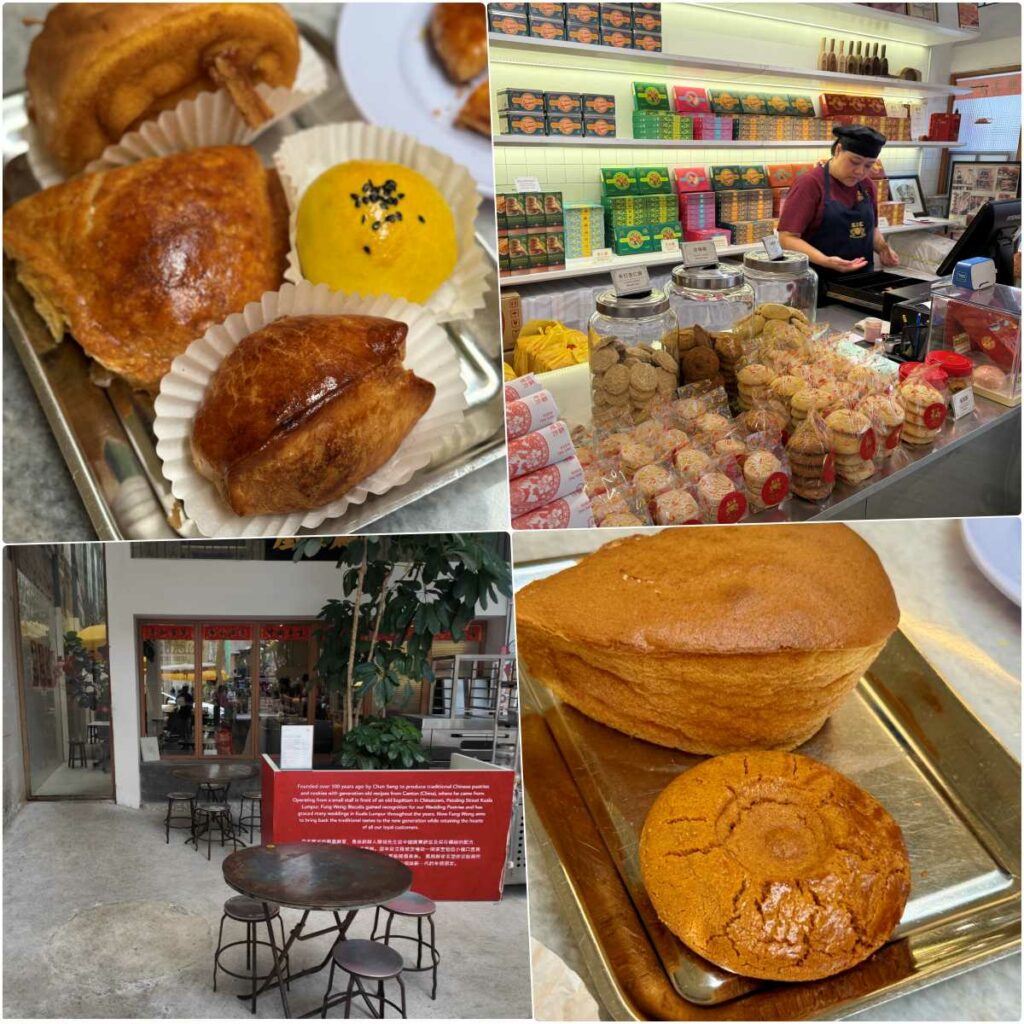
Located in Kuala Lumpur’s Chinatown is a century-old bakery known for its traditional Cantonese pastries made from time-honored recipes passed down through four generations. From flaky wife biscuits and spongey soft swiss rolls to savory char siu puffs and crispy kaya puffs, this is where you can relive the rich heritage of KL’s Chinese bakery culture. Recently relocated to a stylish spot on Jalan Sultan, Fung Wong blends vintage charm with modern vibes, making it a must-visit for nostalgic snacks or wedding pastries.
Fung Wong Biscuit
Map and Details
14. Floccus Floccus
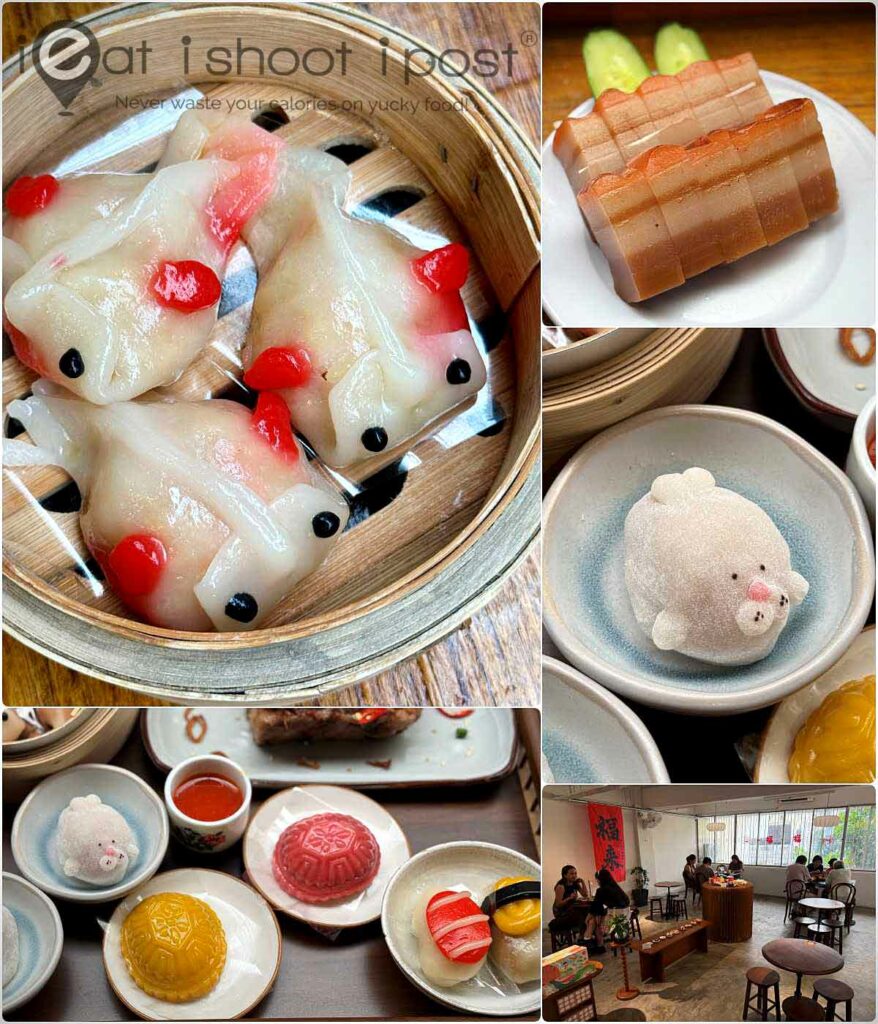
After tasting tradition, exit Fung Wong, turn left, and climb the staircase to discover how the next generation is preserving heritage by turning traditional flavours into fresh, Instagram-worthy creations. This quirky little café, perched right above the legendary biscuit shop, is run by Melvin’s god-daughter—the fourth-generation baker’s kin. Here, classic Chinese kuih are reimagined with playful twists: goldfish-shaped soon kueh, sushi-inspired angku kuih filled with mung bean, and nine-layer kuih crafted to look like slices of Sio Bak. But don’t be fooled—it’s not just about the looks; these treats genuinely taste amazing too!
Floccus Floccus
Map and Details
Good To Try, But No Need to Go Back Again
15. Village Park Restaurant
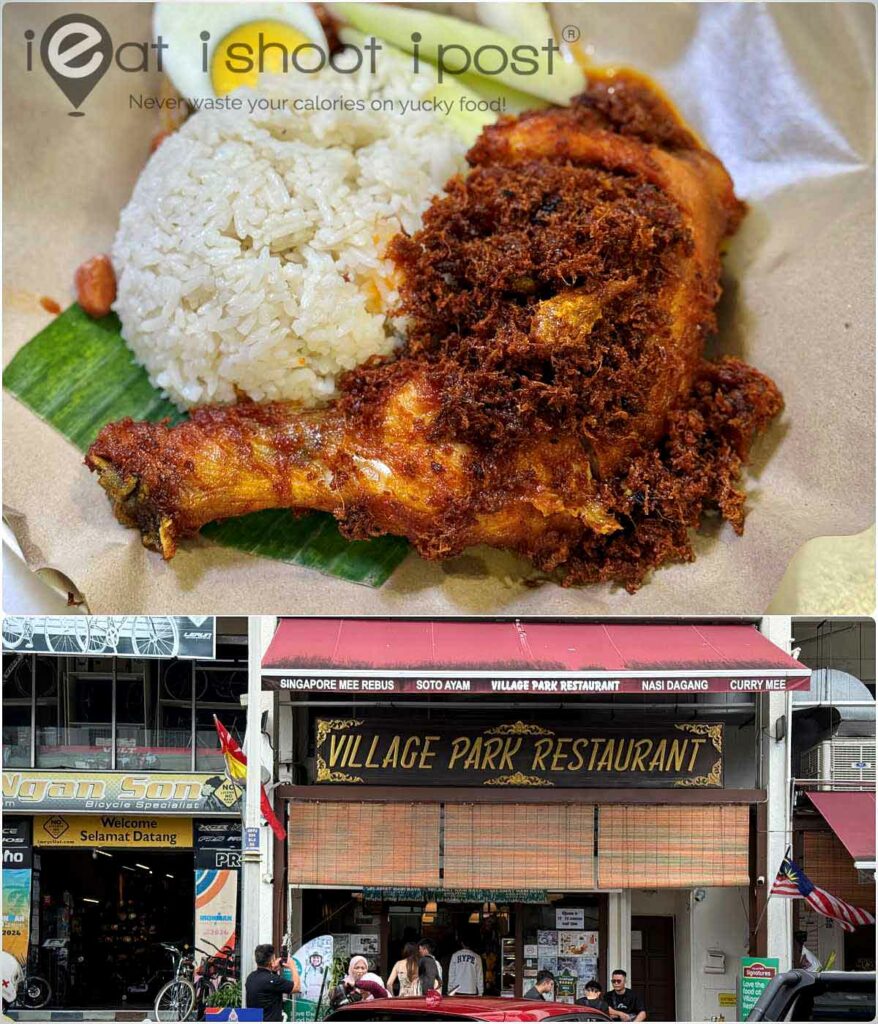
This is one of the most talked-about spots for nasi lemak in KL, and the queue outside the restaurant at 2pm says it all. It’s so popular with Singaporeans that their sambal is now available at FairPrice Finest, thanks to Grab Signatures. What makes Village Park a hit is simple: it’s cheap and good. The fried ayam berempah sells fast, so it’s always fresh, crispy, and packed with flavour, while the sambal pairs perfectly with the fragrant coconut rice. It’s definitely tasty, but honestly, it’s not something I’d go all the way to KL for, line up, and eat as I feel I can find something just as good here.
Village Park Restaurant
Map and Details
16. Sin Kiew Yee Shin Kee Beef Noodle
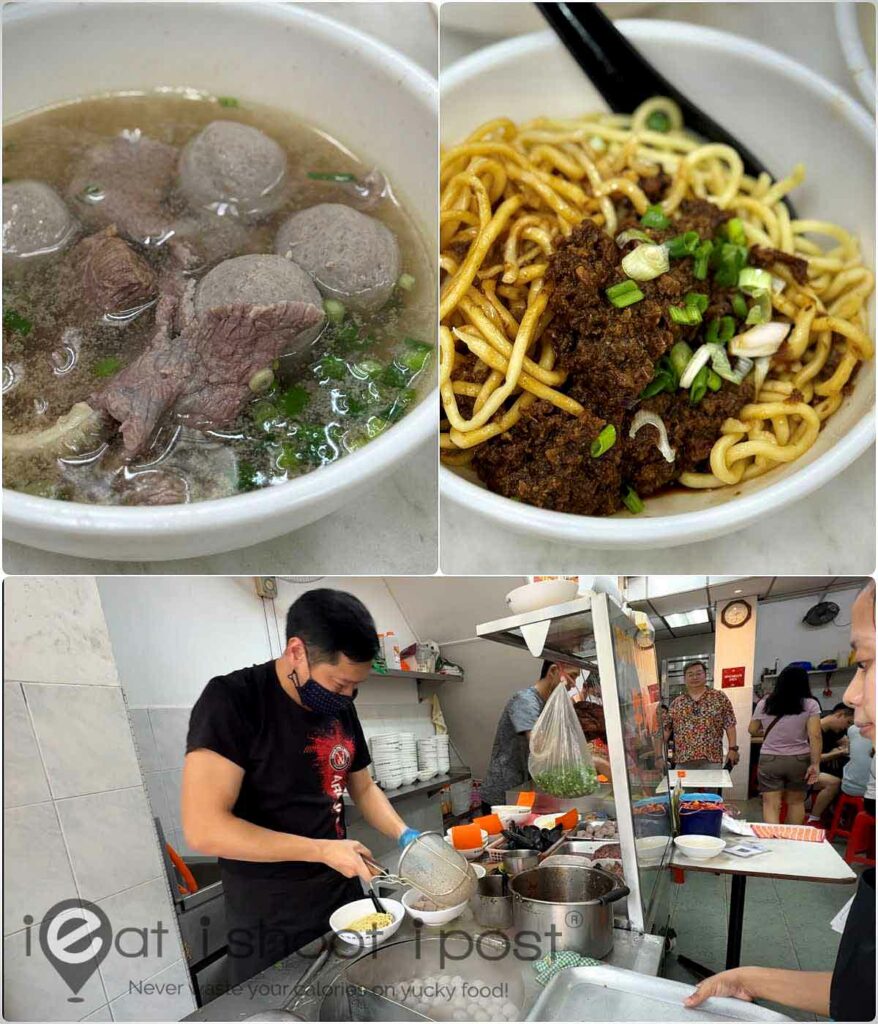
Another spot with a never-ending queue is this Bib Gourmand beef noodle joint just outside the Petaling Street entrance. What sets them apart is the minced beef that is served on top of the noodles which gives it a unique texture and flavour. That said, I wasn’t completely sold on the soup, which I found a bit gamey. Definitely worth a try once to see what all the fuss is about, but it’s not something I’d queue up for again.
Sin Kiew Yee Shin Kee Beef Noodle
Map and Details
17. Hong Kong Food Culture
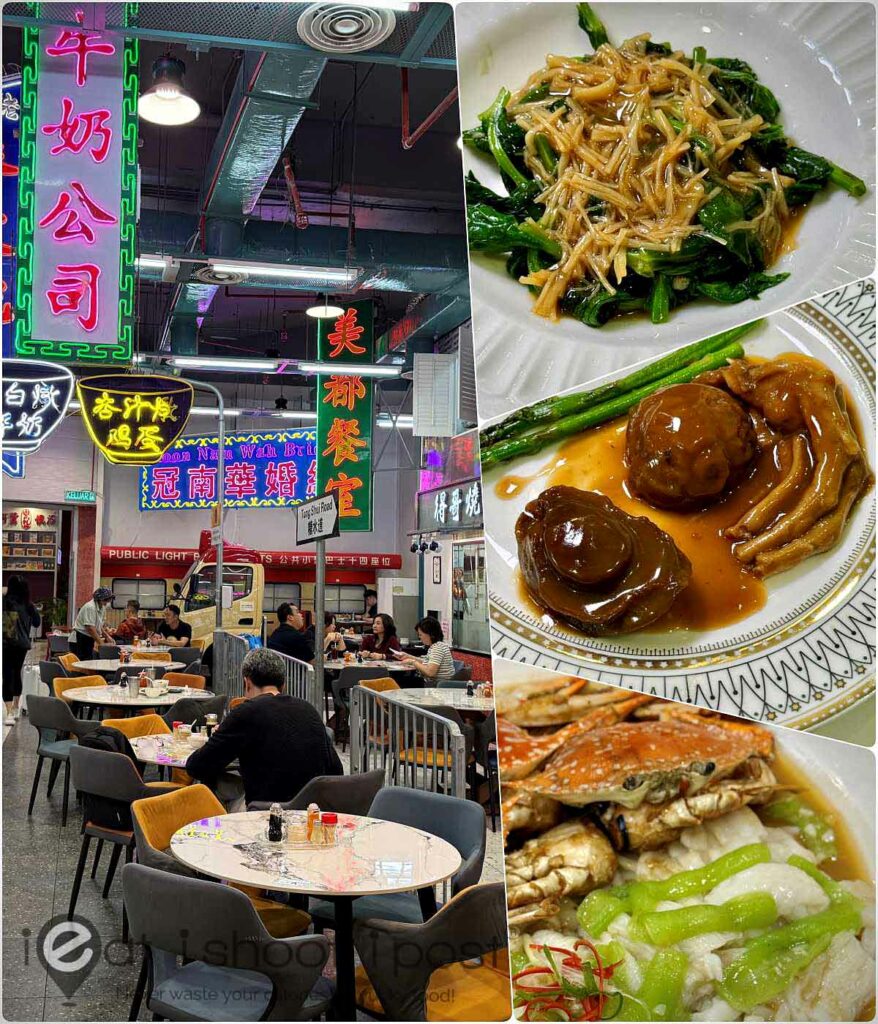
Tucked into the lower ground of Low Yat Plaza is a place that will immediately transport you to Hong Kong. Aptly named Hong Kong Food Culture, the retro décor, buzzing atmosphere, and menu stacked with classic comfort dishes come together like a nostalgic cha chaan teng time capsule.
What’s not widely known is that the chef — who left Hong Kong more than twenty years ago — now offers a private-dining omakase menu. Passionate about recreating the flavours he grew up with, his multi-course meal features many personal projects, including his abalone, which he says takes at least 10 days to two weeks to prepare. He tends to it at home, cooking it briefly and allowing it to rest repeatedly until it achieves the right texture.
What I appreciate is how he maximises value by using affordable ingredients and transforming them into little luxuries through sheer time and effort. There are hits and misses. Some dishes, like the fish, would have been better served whole and piping hot rather than pre-portioned onto individual plates. What I did enjoy was the chee cheong fun where he grinds the rice himself and steams to order, resulting in a slippery-smooth texture that paired well with the blue swimmer crab. The only downside was that the crab itself was slightly mealy. Another highlight was the bowl of bird’s nest served at the end of the meal. Bird’s nest isn’t something you get to enjoy often, and the portion we received was surprisingly generous — the kind that would easily cost half the price of the entire meal if you ordered it in a fancy restaurant!
At RM300 per person, the omakase is not too bad if you’re looking to try something interesting, heartfelt, and a little different from the usual KL dining scene.
Hong Kong Food Culture
Map and Details
Band 4: So Bad, I Don’t Even Want To Tell You About It
……….
Do check out my Ipoh Eats too!