
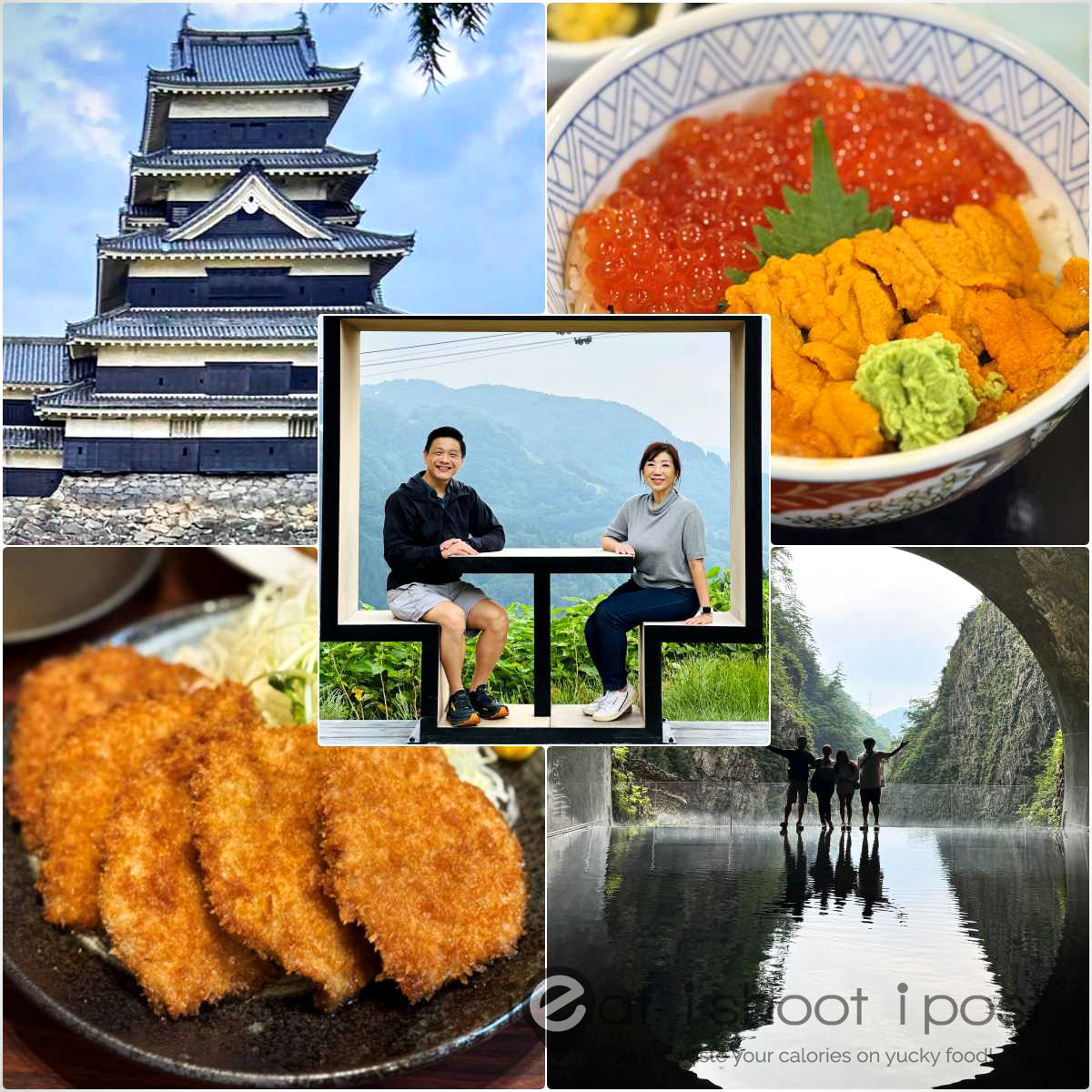
Echigo Yuzawa
JR Station and Hotel (Arrival and Accommodation)
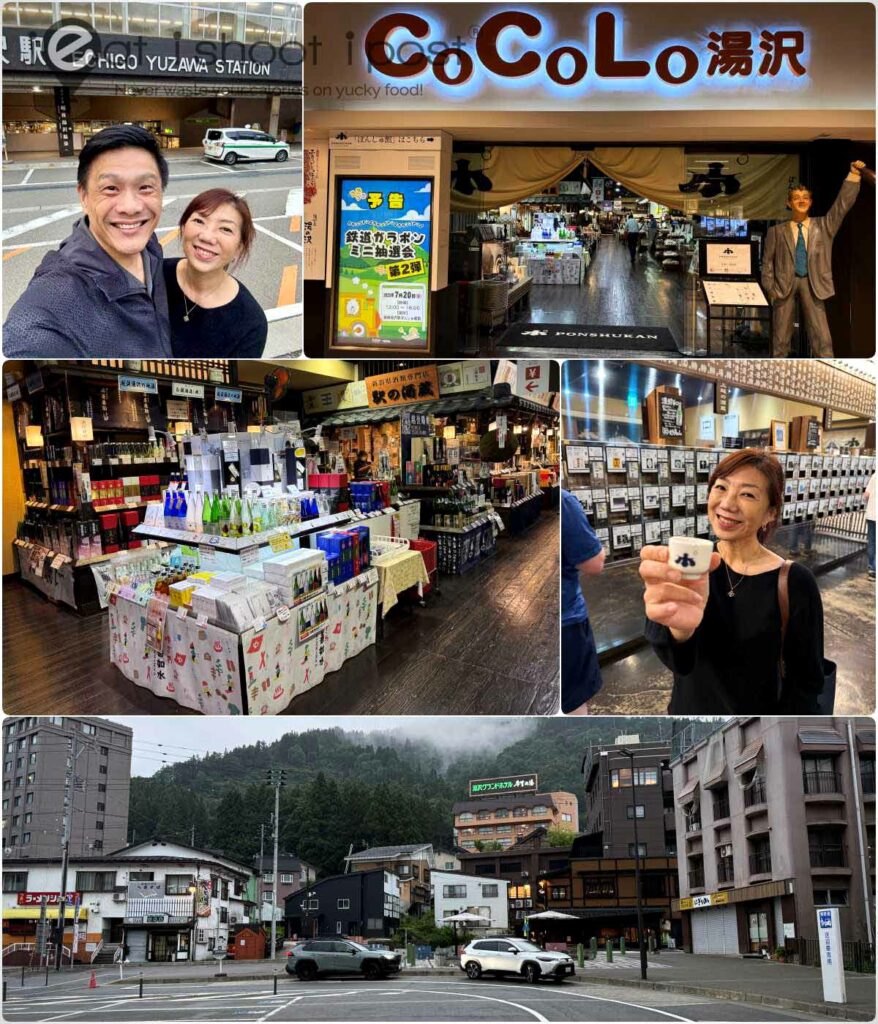
When the kids were younger, we used to take short trips to Japan, spending a few days in Tokyo before hopping on the shinkansen to Echigo Yuzawa for some skiing. We’re definitely not pro skiers — it was really just for the kids to play in the snow. The getaway was so convenient: only about 80 minutes by train from Tokyo, and suddenly you’re in a cosy little town in Niigata, surrounded by mountains.
Fast forward to this summer: with the kids done with uni and about to start full-time work, we thought it’d be nice to return together one more time. Echigo Yuzawa holds so many memories for us, and stepping out of the station brought them all flooding back. We used to wheel our luggage across the road to the Yuzawa Grand Hotel — our go-to ryokan with an onsen we’ve come to love. This time, we hired a car from Tokyo so we could explore the little town more fully. We were pleasantly surprised to find the ryokan newly renovated: everything looked fresh and updated, yet it still retained the same rustic charm we remembered.
The fun actually starts at Echigo Yuzawa Station itself! There’s a sake museum where you can sample Niigata’s famous brews (the region is known for having some of the best rice in Japan, which makes the sake exceptional), plus plenty of local snacks and goodies to try. Echigo Yuzawa may be small, but it’s warm, cosy, and always welcoming.
Yuzawa Grand Hotel
Map
Echigo Yuzawa Station
Map
Yakiniku Sakaeya (Fantastic Yakiniku Restaurant)
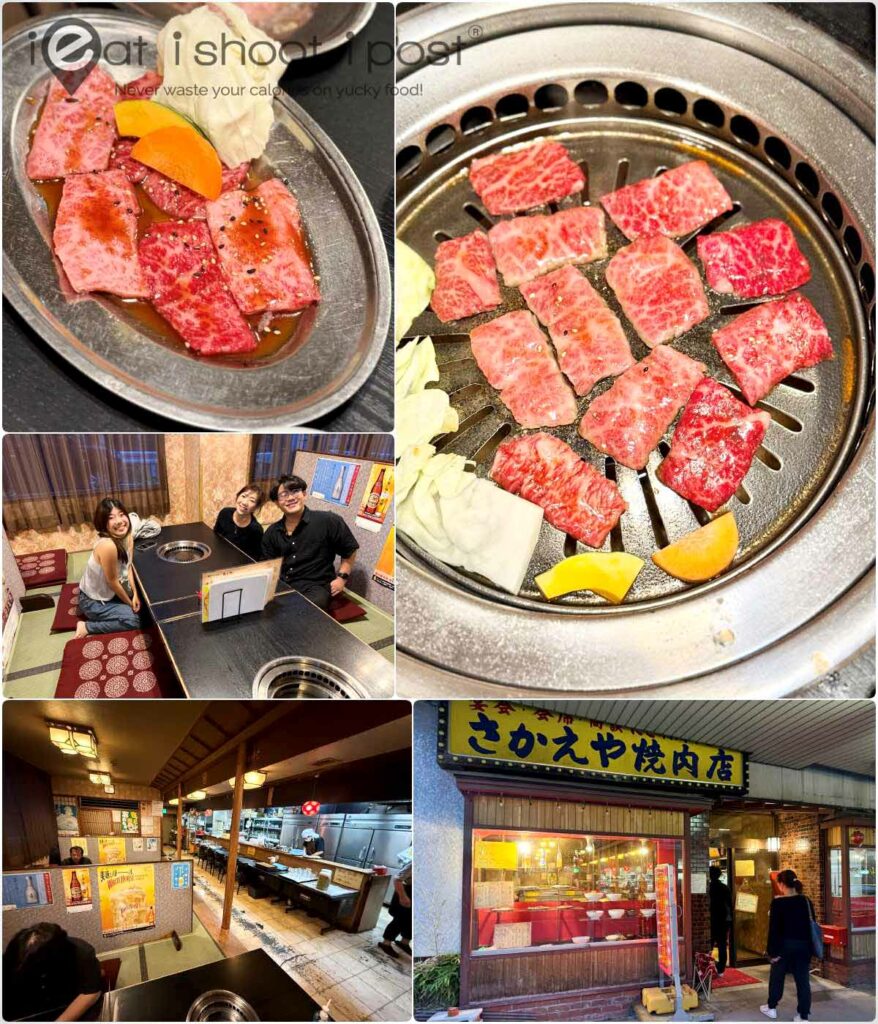
We had one of our most enjoyable yakiniku meals at a little restaurant tucked behind the station. Even though we’d been to Echigo Yuzawa a few times before, this was our first time here — thanks to having a car this trip! On previous visits, it had been snowing, so we were basically limited to the eateries along the main road. Maybe it was our first meal in Japan this trip, but the meat and marinade here were absolutely delicious! It wasn’t top-end meat, and the slices weren’t even uniform, but the rustic, laid-back vibe and attractive prices made for an incredibly satisfying evening. It’s now on our list of restaurants we must return to on our next visit!
Yakiniku Sakaeya
Map
Yuzawa Kogen Ropeway (Summer Sight Seeing)
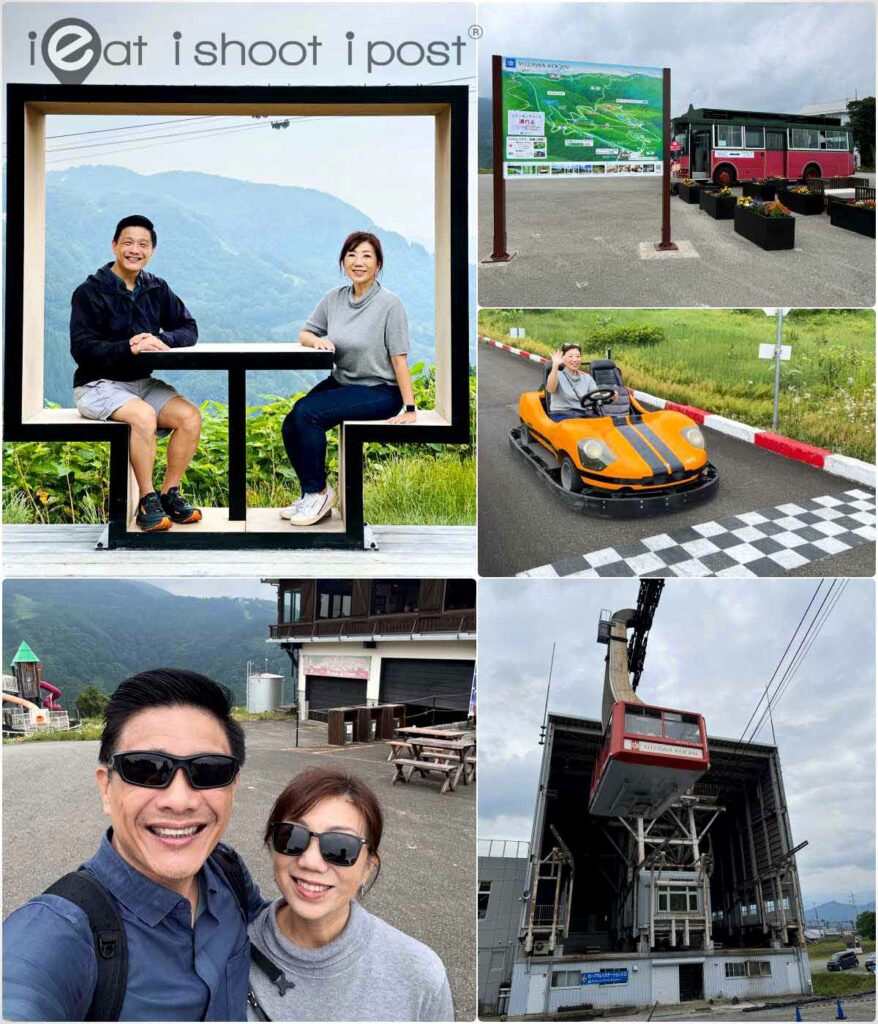
During the winter season, Yuzawa Kogen Ropeway is packed with skiers making their way to the snow-covered slopes. In summer, it’s a completely different vibe. Quiet and serene, you can still head up the hill to take in the scenery, grab a bite to eat, or even try go-karting (though I wouldn’t recommend it — it’s just one short lap around the course). A pleasant half-day activity that’s perfect for a leisurely summer outing.
Yuzawa Kogen Ropeway
Map
Nakanoya Soba Yuzawa shop (Niigata Style Soba)
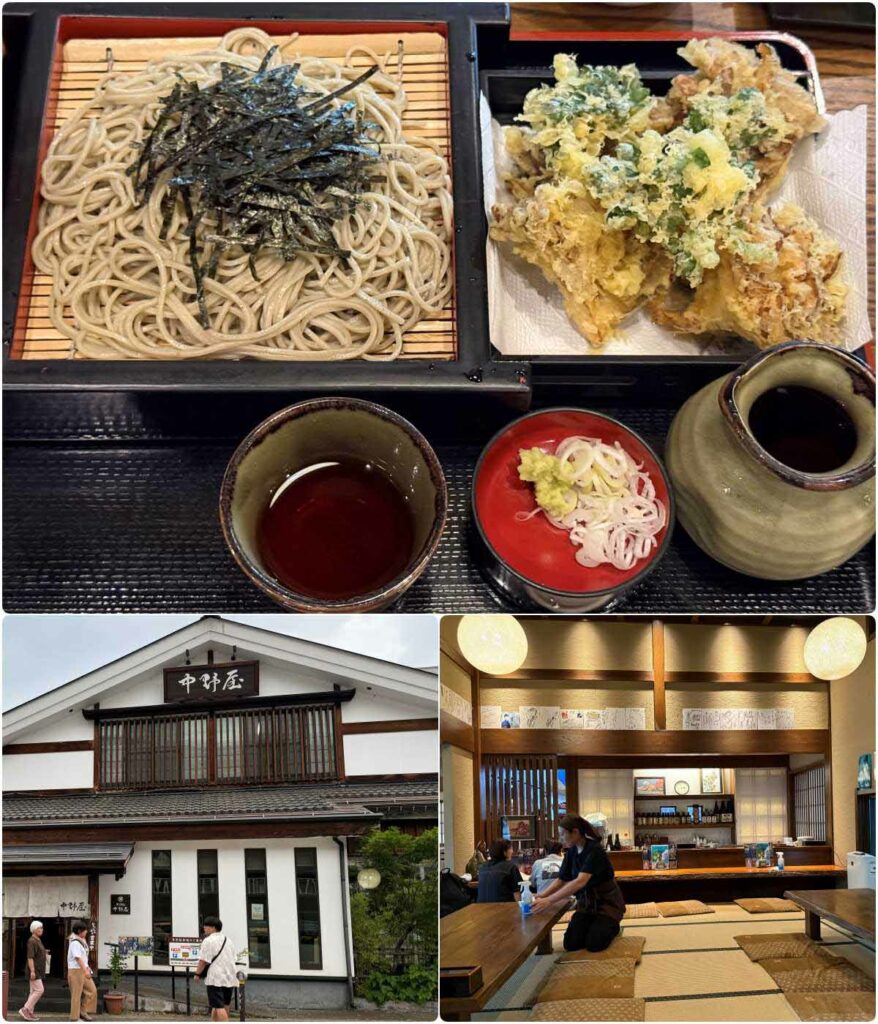
Niigata is famous for its high-quality buckwheat and pristine water, which make its soba noodles exceptionally smooth and flavorful. A short walk from Echigo Yuzawa Station, Nakanoya Soba is housed in a charming traditional building, giving you an authentic local experience. The shop serves a local specialty called Hegisoba, a soba noodle dish where the noodles are made with funori, a type of seaweed which gives the noodles a subtle umami flavor and a hint of the sea — a unique regional variation that’s well worth trying.
Nakanoya Soba Yuzawa shop
Map
Niigata City
From Echigo Yuzawa we make our way to Niigata City where we spent the night before making our way to Sado Island. Along the way we stopped over at the Teradomari Street Market for some fresh seafood!
Teradomari Street Market (Seafood Market)
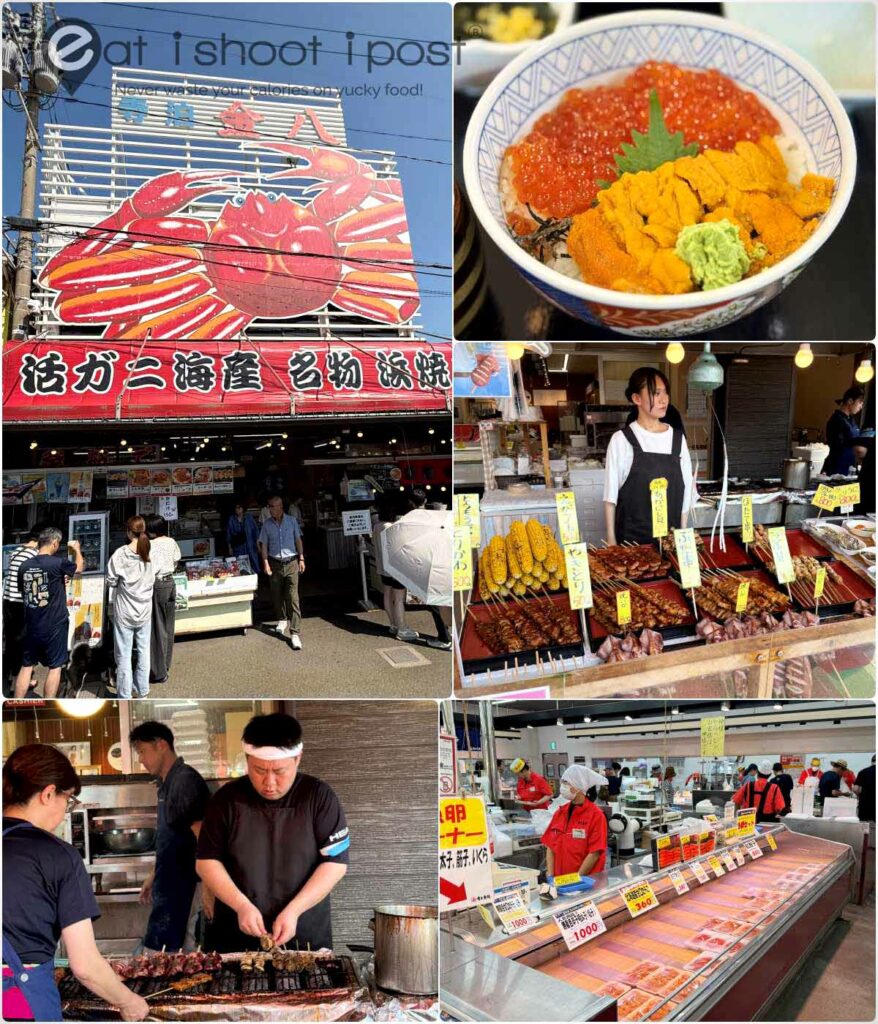
We happened to be at Fish Market on a weekend, and the place was buzzing with energy—people everywhere, all on the hunt for the freshest seafood. Stalls overflowing with crabs, scallops, squid, and seasonal fish, and the smell of charcoal from the famous hamayaki skewers filled the air. We grabbed a few skewers to snack on as we wandered through the crowd, then headed upstairs to one of the cozy eateries for a steaming bowl of kaisen-don and rich, flavorful kani-jiru. The lively atmosphere, the ocean breeze, and the incredible seafood made it clear why locals and travelers alike flock to Teradomari on weekends. Definitely worth a stopover or even a slight detour.
Teradomari Street Market (Sakana no Ameyoko)
Map
Tonkatsumasachan Nuttari Honten (Niigata Style Tonkatsu)
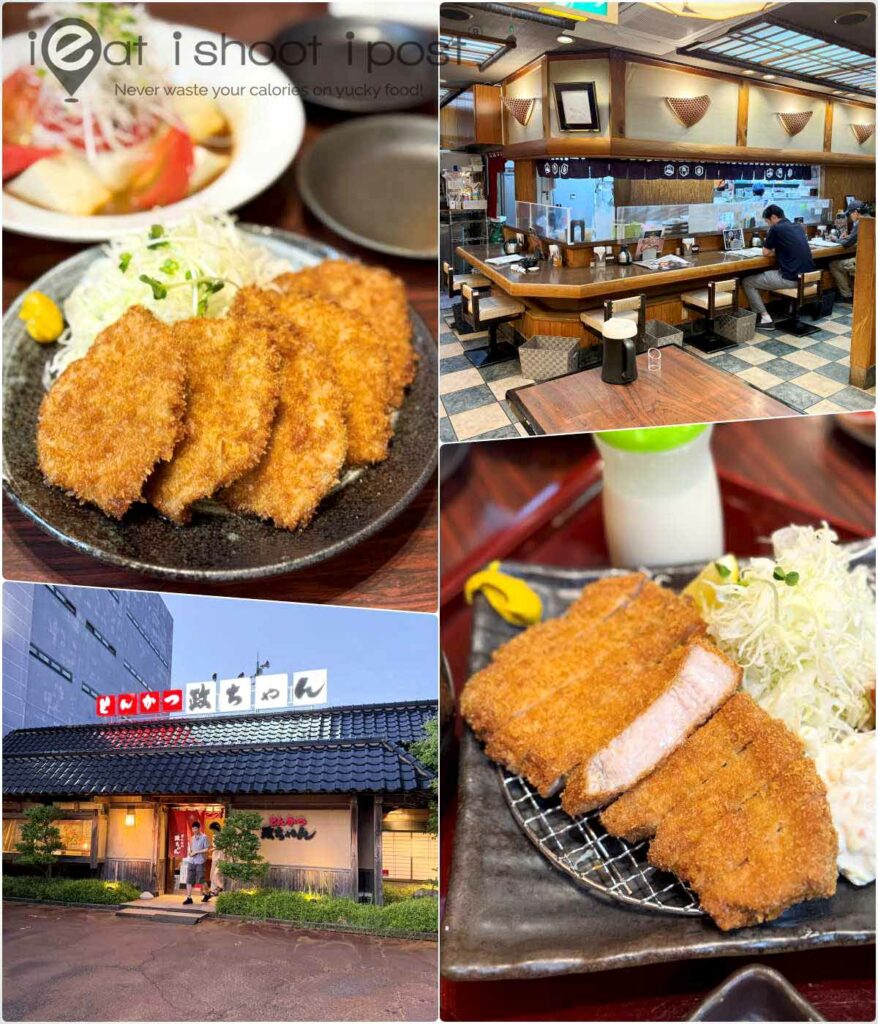
In Niigata, we stumbled upon their version of tonkatsu and were completely bowled over! My daughter, a devoted tonkatsu fan, drags us to every spot she hears about, and this one did not disappoint. What sets Niigata’s style apart is their signature tonkatsu made from thinly sliced tenderloin, perfectly breaded and slathered in an umami-packed sauce that’s utterly addictive. It was so good that I ended up buying two bottles of the sauce to bring home and try recreating it! Every bite was tender, flavorful, and completely satisfying—definitely a must-try when visiting Niigata. Honestly, someone needs to bring this to Singapore!
Tonkatsumasachan Nuttari Honten
Map
Niigata Senbei Oukoku (Design Your Own Rice Cracker)
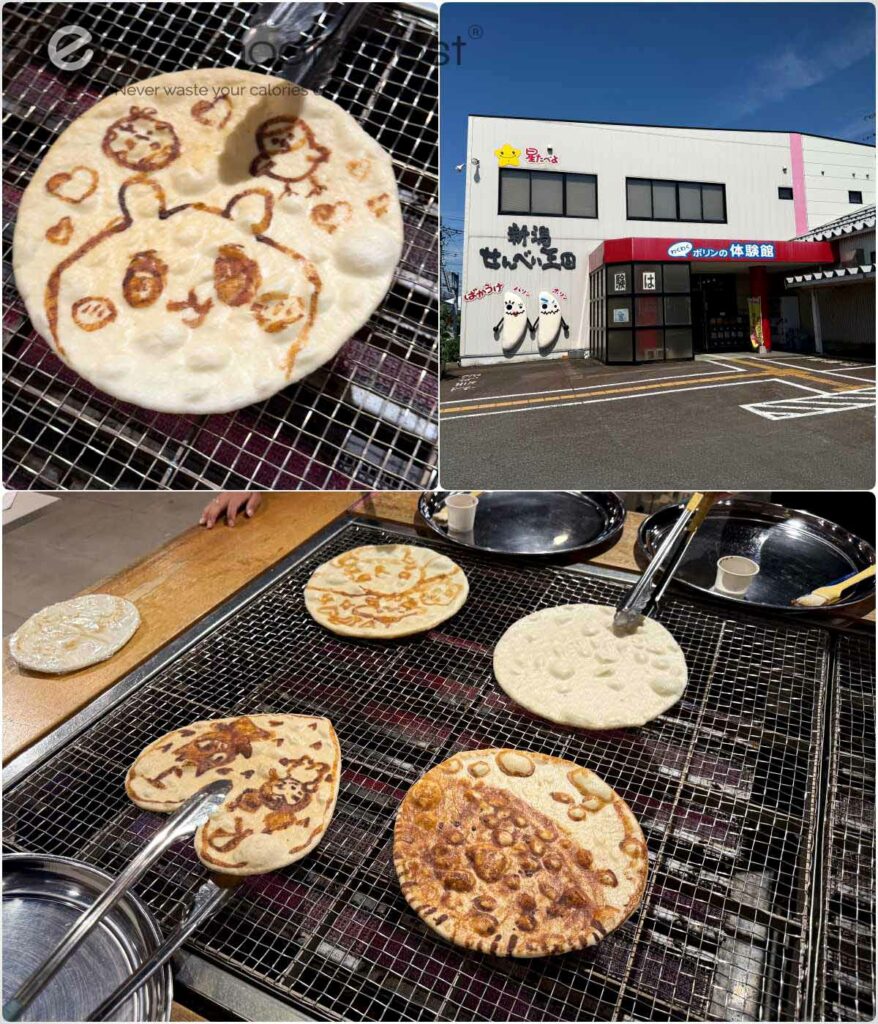
Niigata is famous for its rice, so it’s no surprise that rice crackers are a local specialty! For a fun family activity, we visited Niigata Senbei Oukoku, where everyone gets a chance to design and grill their own giant rice cracker to take home. It’s a hit with the kids, though I was a bit disappointed that we didn’t get to see how the actual rice crackers are made. A heads-up: these giant crackers are quite fragile, so hauling them home is tricky—mine inevitably cracked! Still, it’s a fun, hands-on experience that adds a tasty souvenir to your Niigata trip.
Niigata Senbei Oukoku (Rice Cracker Kingdom)
Map
On The Umami (Umami Restaurant and Grocer)
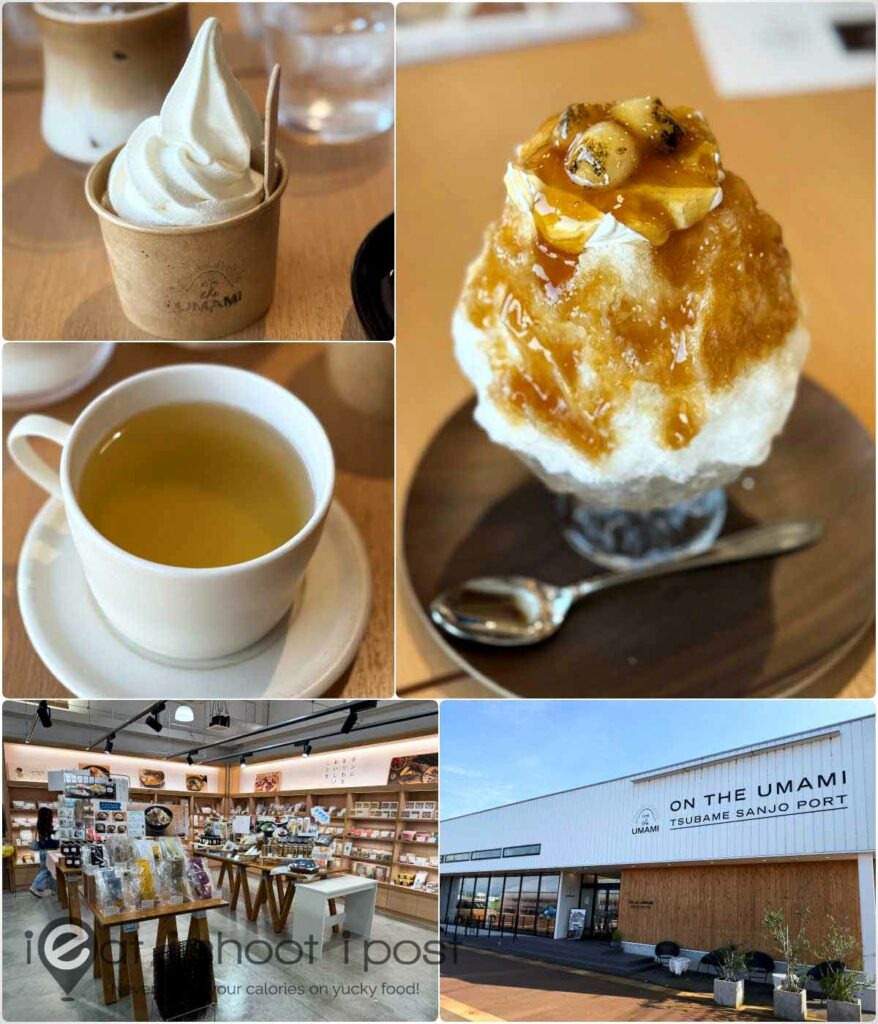
If you’re a umami hunter like me, this little spot in Niigata is a must-visit. We popped in for a quick bite and ended up having our taste buds delighted with umami ice cream, an intensely flavorful dashi soup and a savoury kakigori topped with mitarashi syrup which was quite a pleasant surprise! Of course, we couldn’t leave without browsing the shelves packed with all sorts of umami-rich ingredients—perfect flavor bombs to sneak into your cooking back home and wow friends and family who’ve come to expect something delicious whenever they visit.
On The Umami (Tsubame Sanjo Port)
Map
Sado Island
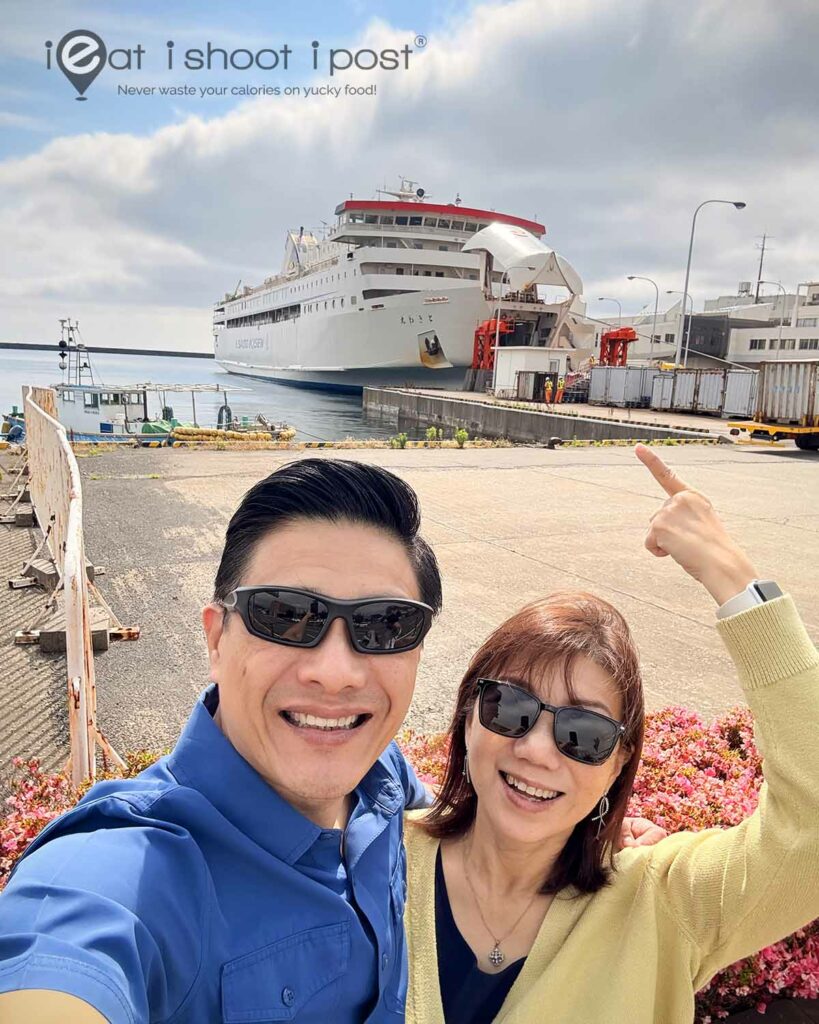
Sado Island, the largest island in the Sea of Japan and slightly bigger than Singapore, is a place where rugged natural beauty and rich cultural traditions come together in a tranquil setting. We woke up early in the morning to drive our car aboard the ferry, which took about 60 minutes, and spent the day exploring its many charms. The main reason for our visit was to experience the island’s famous tub boating—rowing across the bay in traditional round washtubs once used by fishermen—and to delve into its fascinating gold mine history, which once made Sado one of Japan’s most prosperous regions.
Tub Boating At Tarai Bune
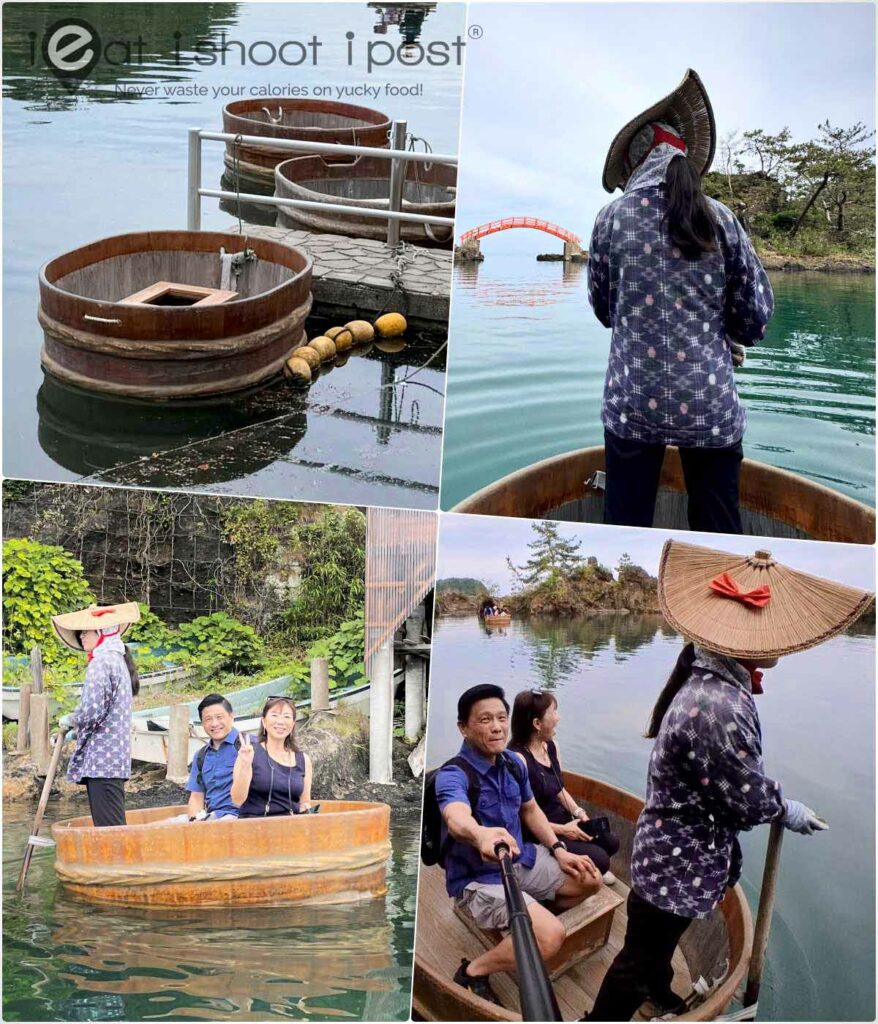
Tub boating, or tarai-bune, is one of Sado Island’s most iconic and quirky experiences. These small, round wooden tubs were originally devised by fishermen in the coastal town of Ogi, where the rugged, rocky shoreline made maneuvering regular boats difficult. The design allowed them to weave in and out of narrow inlets to collect abalone, seaweed, and other shellfish from the shallows. The tubs—literally bath tubs—are a little wobbly at first, but that adds to the charm. Our lady rower, dressed in traditional attire, took us on a gentle 15-minute loop around the inlet, giving us a glimpse into the island’s fishing heritage. While short and simple, it was a fun and memorable cultural experience unique to Sado.
Tarabune Tub Boat Experience
Map
Sado Kinzan (Sado gold mine)
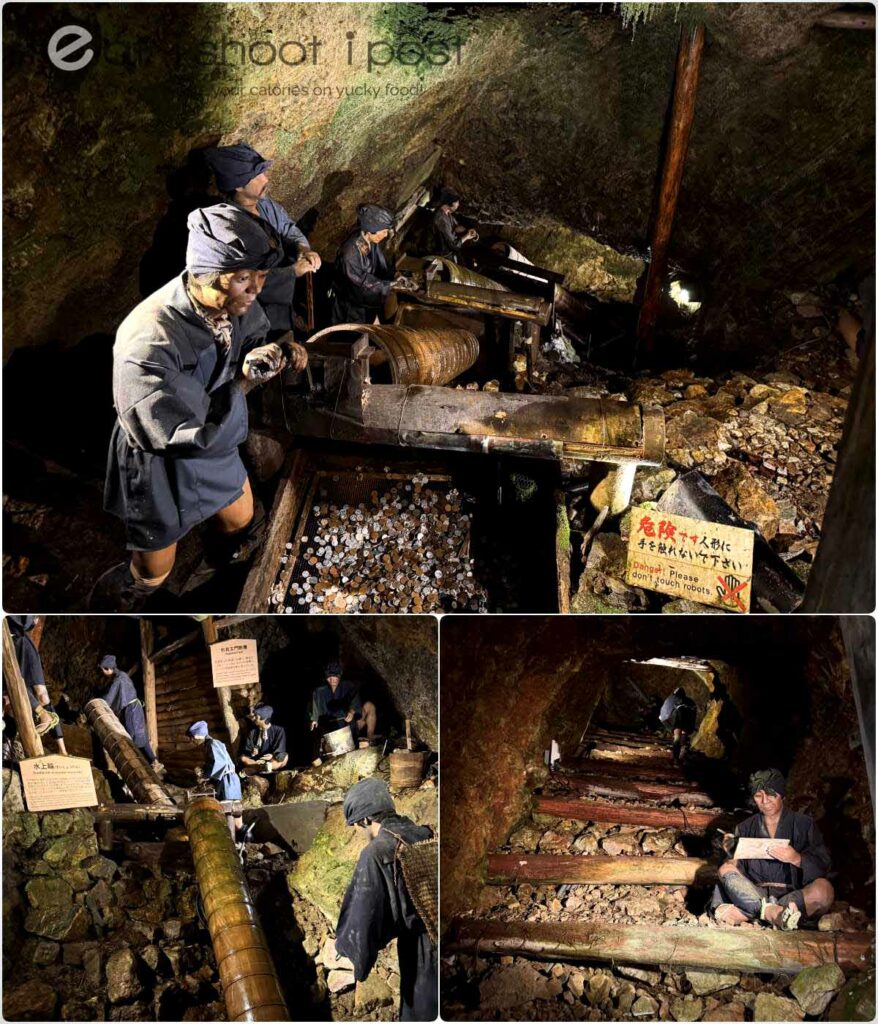
Sado’s rugged mountains hide a wealth of stories from the Edo period, when gold mining transformed the island into one of Japan’s most important economic centers. At the Sado Kinzan Gold Mine, we walked through preserved tunnels and explored exhibits that showcased the harsh conditions miners endured while extracting gold with primitive tools.
Sado Kinzan (Sado gold mine)
Map
Restaurant & Bar Kosado (Local Sado Wagyu Tasting)
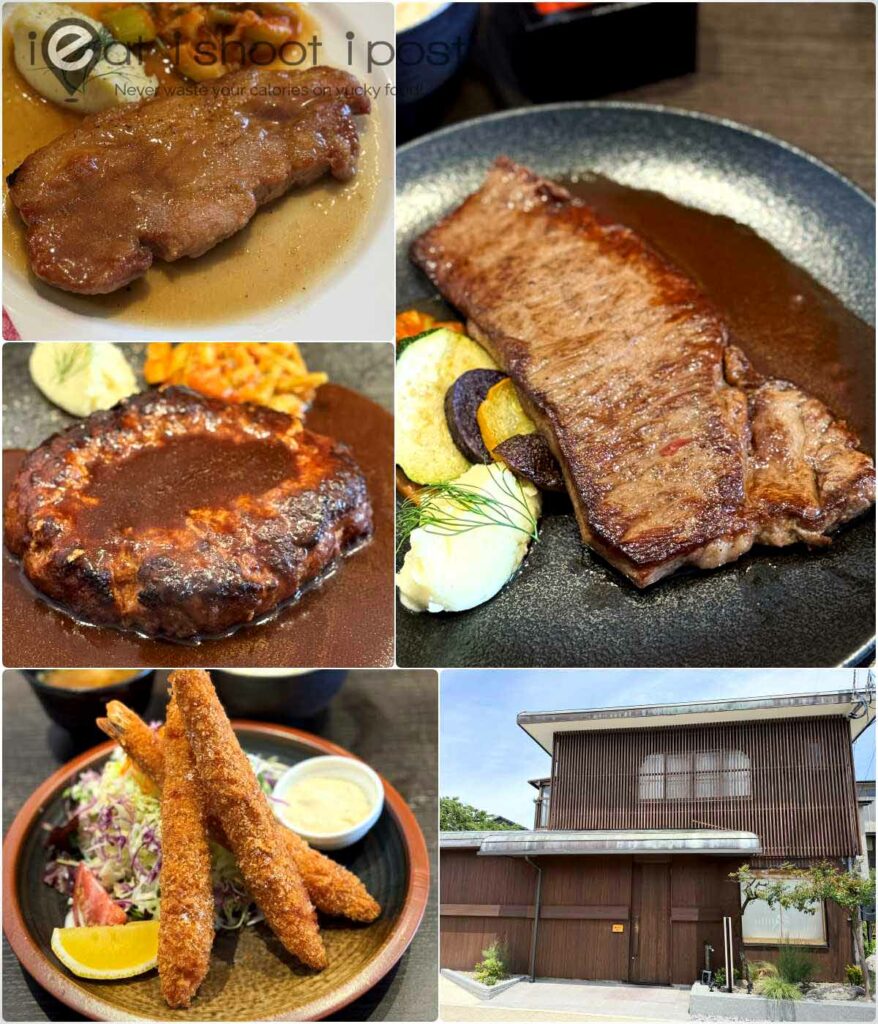
If you love beef, then you need to try the local Sado beef. This premium wagyu from Sado Island in Niigata Prefecture is raised in a pristine environment on a diet of local rice straw and grains, resulting in beautifully marbled meat with exceptional tenderness and rich umami flavor. While it shares the luscious taste profile of other Japanese wagyu, its limited production makes Sado beef a rare delicacy you can only experience on the island—and that alone gives you serious bragging rights.
One of the places you can go for Sado beef is Restaurant & Bar Kosado. This spot serves western-style dishes, and we found the sauces and sides especially well done, making it a great way to enjoy Sado beef.
Restaurant & Bar Kosado
Map
Nagano/Matsumoto
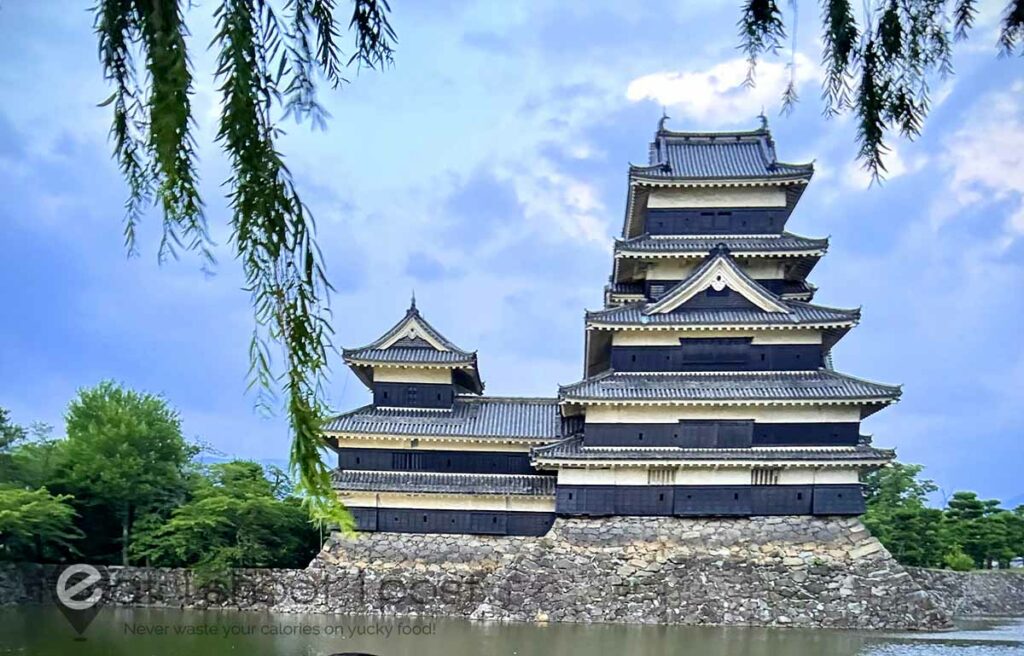
From Sado Island, we made our way to Matsumoto, which sits at the foothills of the Japanese Alps and is famous for its black castle. Known as Matsumoto-jō, it is one of Japan’s most beautiful and well-preserved castles, earning the nickname “Crow Castle” for its dark wooden exterior and elegant, spreading wings.
Daio Wasabi Farm Visit
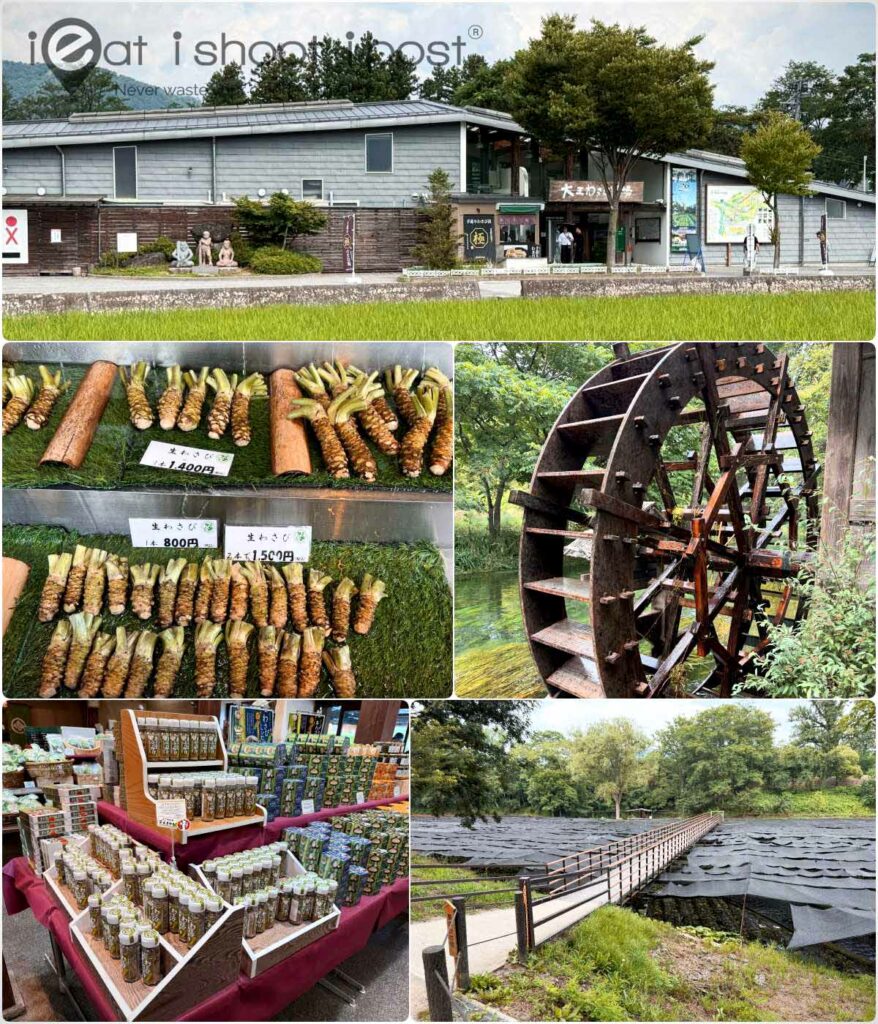
I have been fascinated with wasabi ever since I started appreciating sushi. The wasabi root is notoriously difficult to grow, requiring fresh, flowing water and precise conditions, which makes it both rare and expensive. One of the best places to witness authentic wasabi cultivation is the Daio Wasabi Farm which is en route to Matsumoto. Established in 1915, this expansive farm covers over 15 hectares and is nourished by crystal-clear streams from the Northern Japanese Alps. The picturesque landscape is enhanced by waterwheels that were not originally part of the farm but were specially constructed for a movie set and later left in place for visitors to enjoy. Unfortunately, there weren’t any tours available during our visit, so we didn’t get to learn much about the wasabi farming process. Being summer, the plants were protected with shade, so we couldn’t see them fully, but it was still a pleasant place for a stroll, peeking at the wasabi quietly growing beneath the coverings. The souvenir shop is well stocked with a wide variety of wasabi products, making it a fun stop for anyone wanting to take home a taste of this unique Japanese crop.
Daio Wasabi Farm
Map
Nagano Meijitei Tonkatsu Restaurant
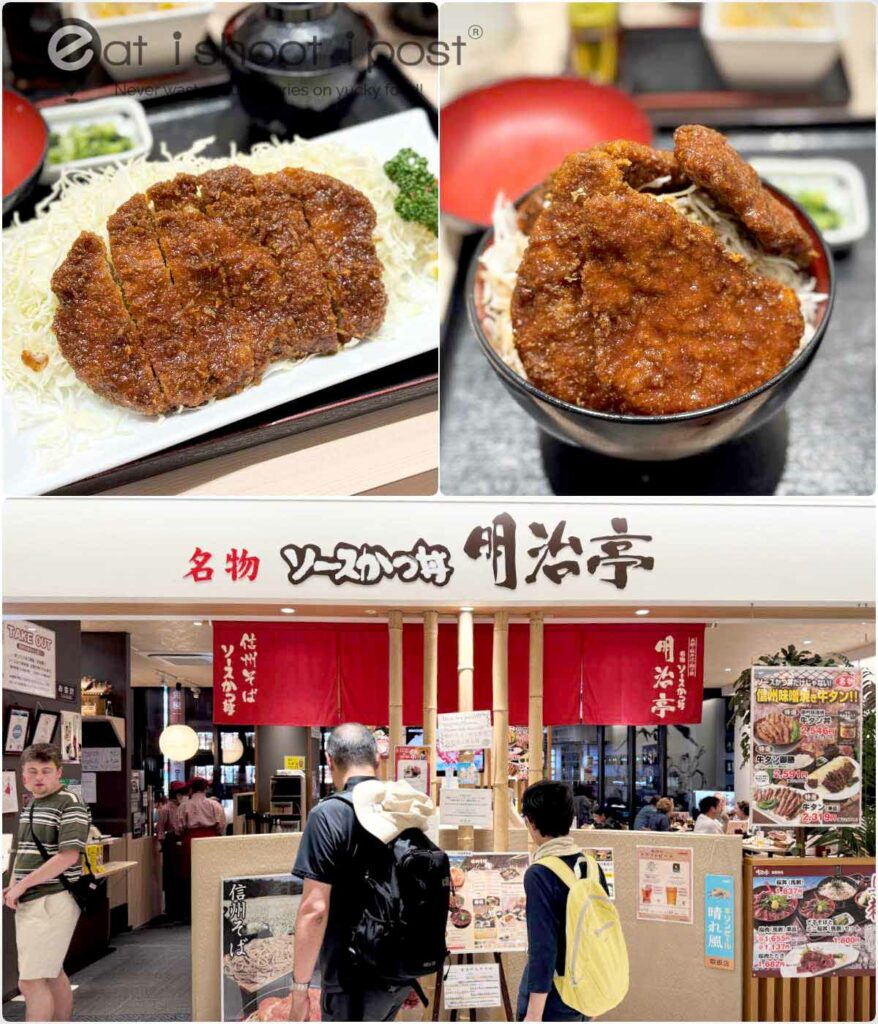
When we found out that Nagano has its own version of tonkatsu, we knew we had to try it. Having thoroughly enjoyed the Niigata version, we were curious to see how it would compare. One of the most famous places to try it is Nagano Meijitei, located on the 3rd floor of the MIDORI Nagano Station building. The restaurant specializes in the local version of Sauce Katsu-don, which features a breaded and deep-fried pork cutlet that is dipped in sauce before being served over rice. The cutlets were thicker than the Niigata version, and the sauce was tangier, resembling the tonkatsu sauce we are more familiar with, made from Japanese Worcestershire sauce. While the Niigata version is one we would definitely return for, the Nagano version felt too similar to what we already have locally.
Nagano Meijitei
Map
Ishii Miso Factory Visit
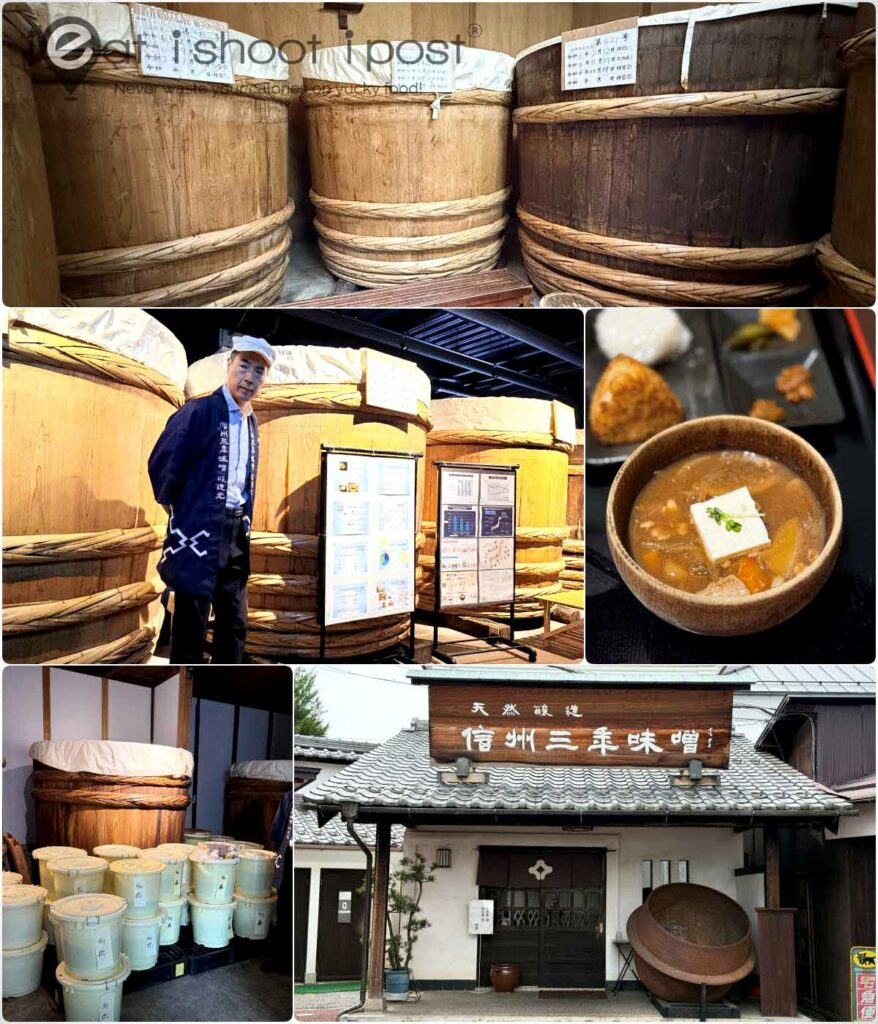
If you are an umami warrior, then Ishii Miso is a must-visit. Established in 1868 in Matsumoto, this historic brewery is renowned for its traditional miso-making methods, producing miso aged for three years in large cedar barrels to develop a deep, rich flavor. During our visit, the tour was conducted by the owner himself, who speaks excellent English, making it easy to understand the fermentation process and the history behind their miso production. The tour concluded with a taste of their three-year-old miso, served as a soup. The brewery also features a shop offering a variety of miso products, including the prized three-year-aged miso, as well as unique treats like miso-flavored soft serve ice cream. After tasting the amazing miso soup, we decided to stay on for lunch in their restaurant. Ishii Miso provides a traditional miso-based lunch featuring dishes such as miso rice balls, miso pickles, and tonjiru (pork miso soup), showcasing the versatility and depth of flavor that has made Ishii Miso a lasting icon of Japanese fermentation.
Ishii Miso
Map
Botanen (Yakiniku Restaurant)
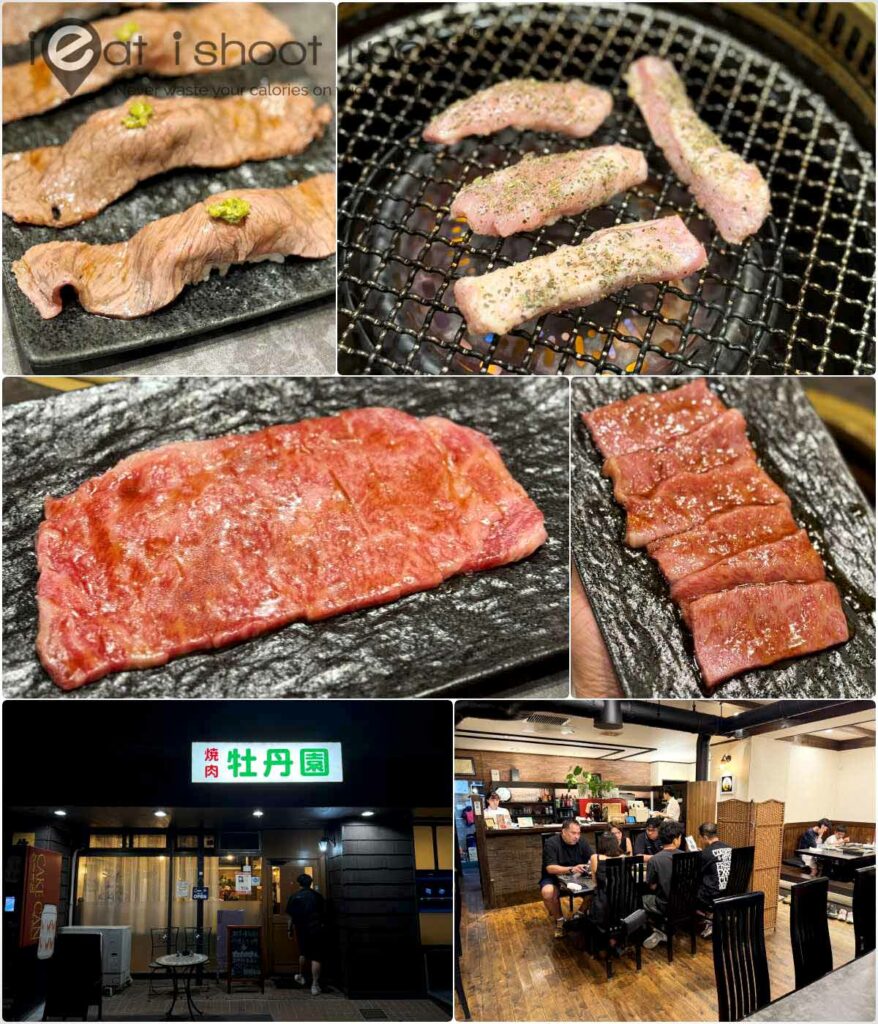
For our dinner in Matsumoto, we decided to try Botanen, which was close to our hotel and had a good rating on Google. Established originally in Kobe in 1951, Botanen now operates in Matsumoto and is known for its high-quality meats, including Kobe beef, A4 and A5 grade black Japanese wagyu, and Shinshu pork. The restaurant has a warm and inviting interior, blending white and wood grain elements, with soothing jazz music creating a relaxed atmosphere. Seating options include tables, sunken kotatsu, and counter seats, offering a cozy experience whether you’re dining alone or in a group. We had an enjoyable meal, appreciating the quality of the meat and the homey vibe, though it wasn’t quite the best yakiniku we had during our trip.
Botanen
Map
Japanese Tea Shop
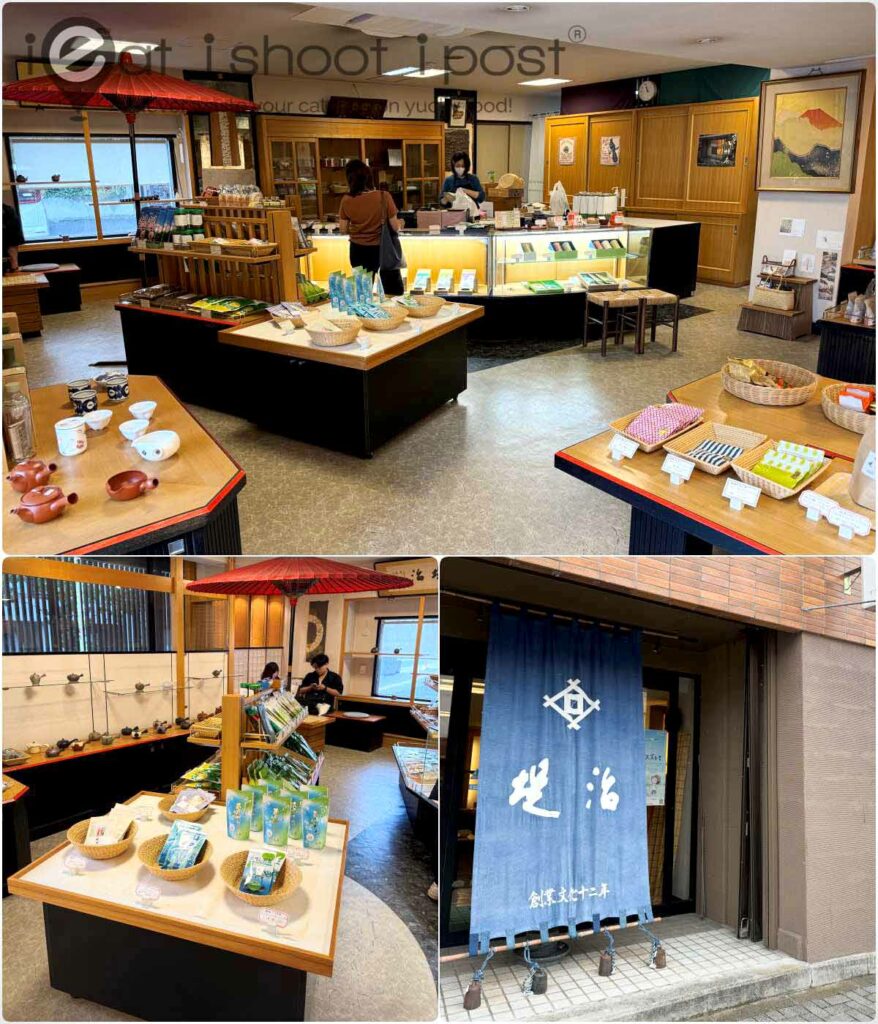
While in Matsumoto, we stayed at the Matsumoto Tourist Hotel and were pleasantly surprised by the excellent quality of tea provided free in our room. We later discovered that it was actually a product placement from a tea house located right next door to the hotel. If you’re a fan of Japanese tea and want to bring some home, this shop is well worth a visit. They offer a wide selection of teas at different price points, and we picked up some gyokuro, sencha, and hojicha at very competitive prices.
お茶の堤治 (Tea Shop)
Map
Nidec Sankyo Music Box Museum (Construct Your Own Music Box)
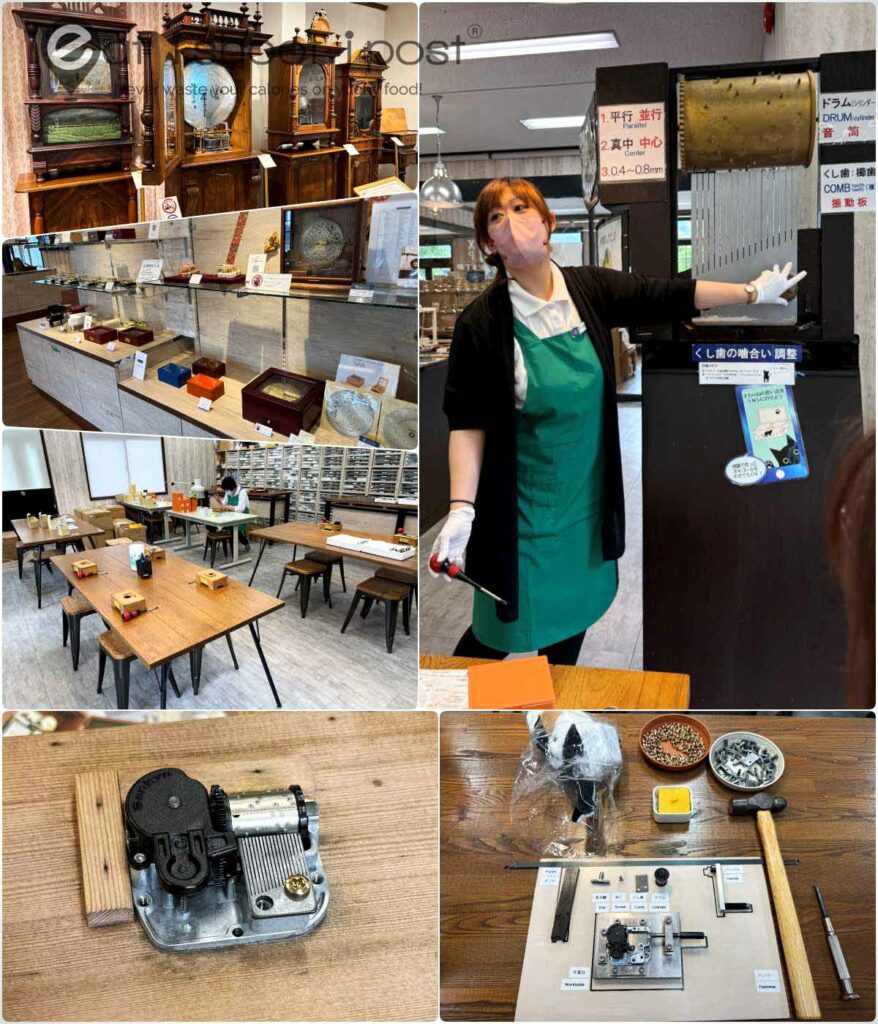
From Matsumoto, we continued our road trip back to Tokyo, and along the way we made a stop at Lake Suwa. One of the highlights there was the Nidec Sankyo Music Box Museum, a delightful place showcasing everything from intricate antique music boxes to beautifully crafted modern pieces. We really enjoyed the live demonstrations and browsing the collection of popular melody music boxes, some of which could be fitted into stuffed animals or table pieces. The best part was joining a workshop where we got to put together our own music box! Unfortunately, we had only planned for half a day in Lake Suwa, which felt far too short. The town itself was so quaint and relaxing that we wished we had stayed the night to explore more and truly soak in its laid-back atmosphere.
Nidec Sankyo Music Box Museum SUWANONE
Map
View of Mount Fuji En Route to Tokyo
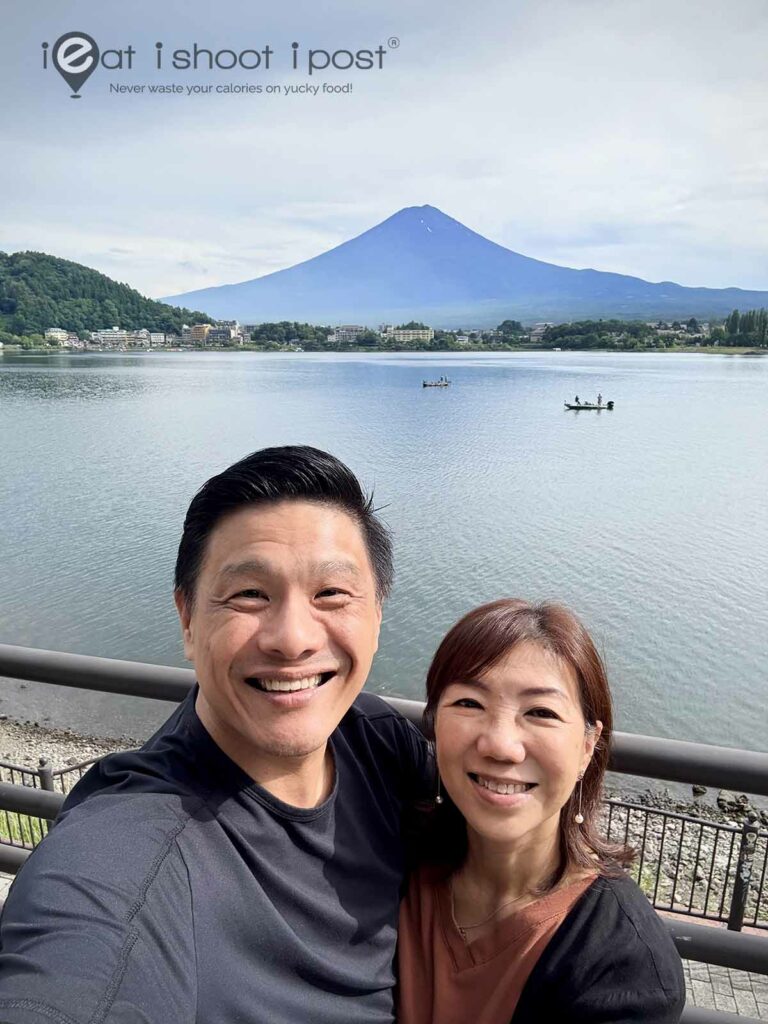
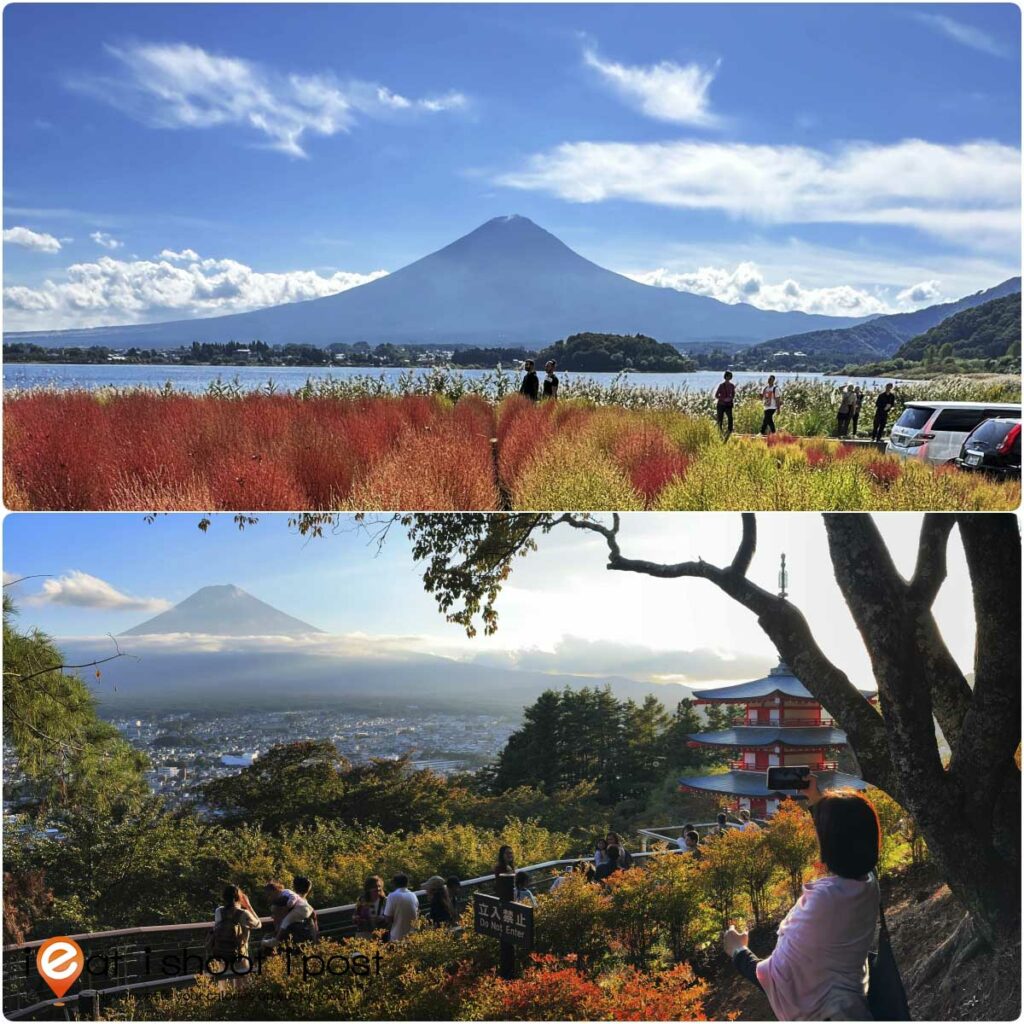
From Lake Suwa, we made our way back to Tokyo and made a quick stop at Kawaguchiko to take in the stunning views of Mount Fuji. We had visited the area on a previous trip two years ago, so we didn’t plan to stay this time. But if you’re planning a trip and have a couple of days to spare, Kawaguchiko makes a fantastic stopover to add to your itinerary. Do check out our blog post on Mount Fuji/Kawaguchiko — it’s packed with tips to help with your planning!
We continued our holiday in Japan with a few days in Tokyo, where we had the chance to visit some truly memorable restaurants. For our full recommendations and tips, do check out Tokyo Eats 2025.