
I think I finally worked out what “Three Michelin Stars” actually mean.
If you are going by the book, and by the book, I mean the Michelin Guide Book.
One Michelin Star means: “A very good restaurant in its category”
Two Michelin Stars means: “Excellent cooking, worth a detour”
Three Michelin Stars means: “Exceptional cuisine, worth a special journey”
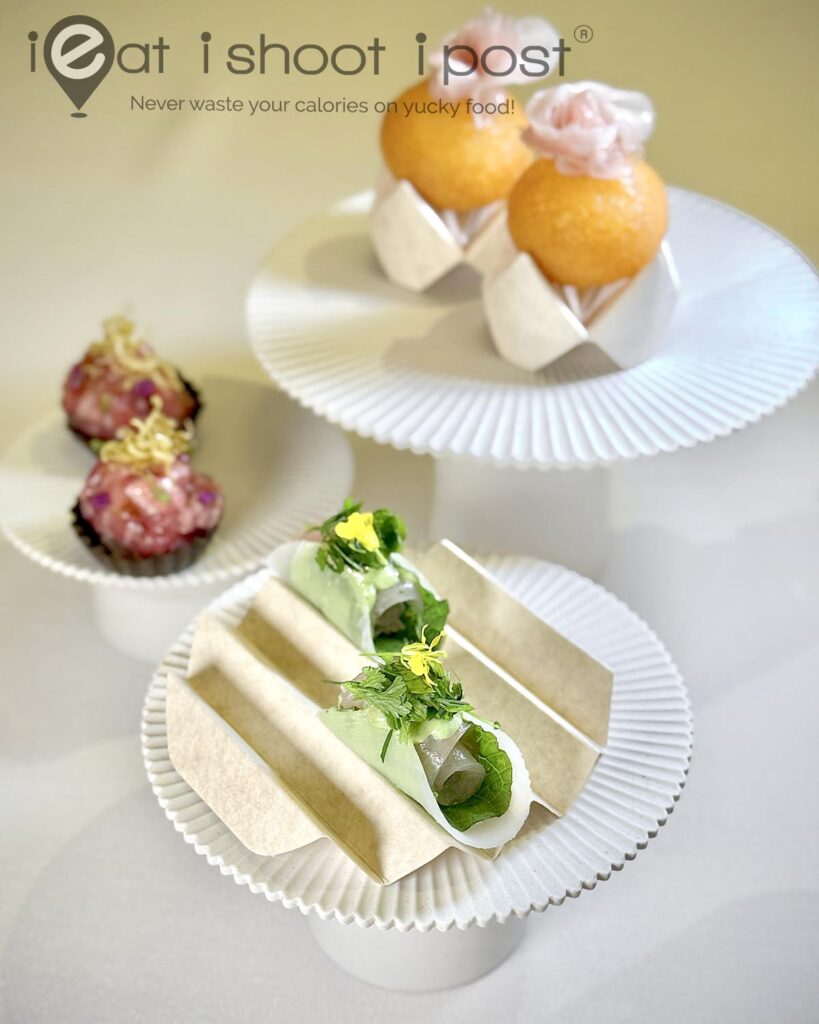
Amuse-bouche
Of course, as you may know, the Michelin Guide was originally created for motorists, with the aim of encouraging people to drive more and, in turn, wear out their tyres faster. In that context, a three-Michelin-star restaurant was considered worthy of a special journey, two stars merited a detour along your route, and one star indicated a restaurant worth visiting if you happened to be in the area.
In Singapore, however, this distinction is largely irrelevant. On our Little Red Dot, virtually every restaurant is within a 45-minute drive. Therefore, in our local context, and based on Lisa’s and my own experience, this is what we think the Michelin stars truly represent.
One Michelin Star: “Premium ingredients, well-executed with 60%-70% of the dishes having the wow factor”
Two Michelin Stars: “Premium and uncommon ingredients, with 80-90% of the dishes having the wow factor”
Three Michelin Stars: “Premium and rare ingredients, meticulously executed dishes, with almost all the dishes having the wow factor”
Let us know if that has been your experience?
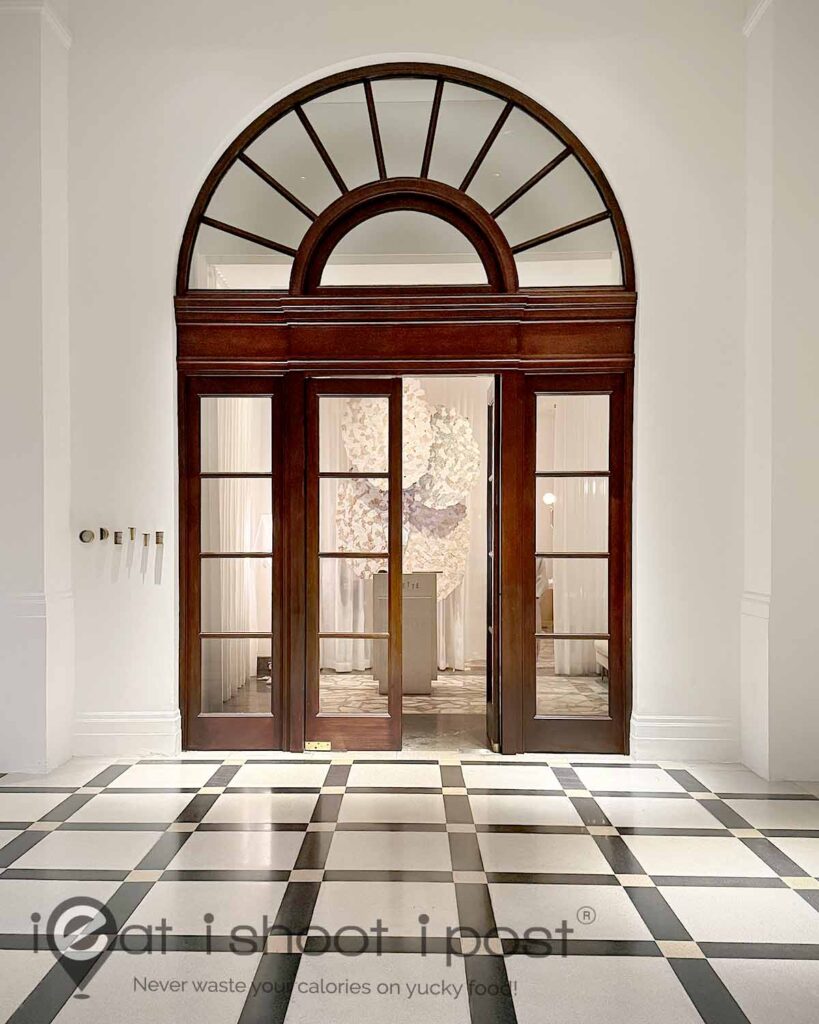
The last statement is how we felt after tasting Odette’s new menu following its recent renovations. It has been a decade since Odette first opened at the National Gallery, and when I first wrote about it, the Michelin Guide had not even arrived in Singapore. Since then, Chef Julien Royer has earned two, and eventually three, Michelin stars, making Odette one of only three three-Michelin-star restaurants in the country.
Mains
These renovations also coincide with the National Gallery’s broader rebranding and refresh of its dining landscape. In a decisive shift, most of the existing restaurants were phased out, leaving Odette as the Gallery’s flagship fine-dining anchor. That Odette not only remains, but emerges renewed at the heart of this transformation, underscores its enduring significance—not just within the Gallery, but within Singapore’s dining scene as a whole.
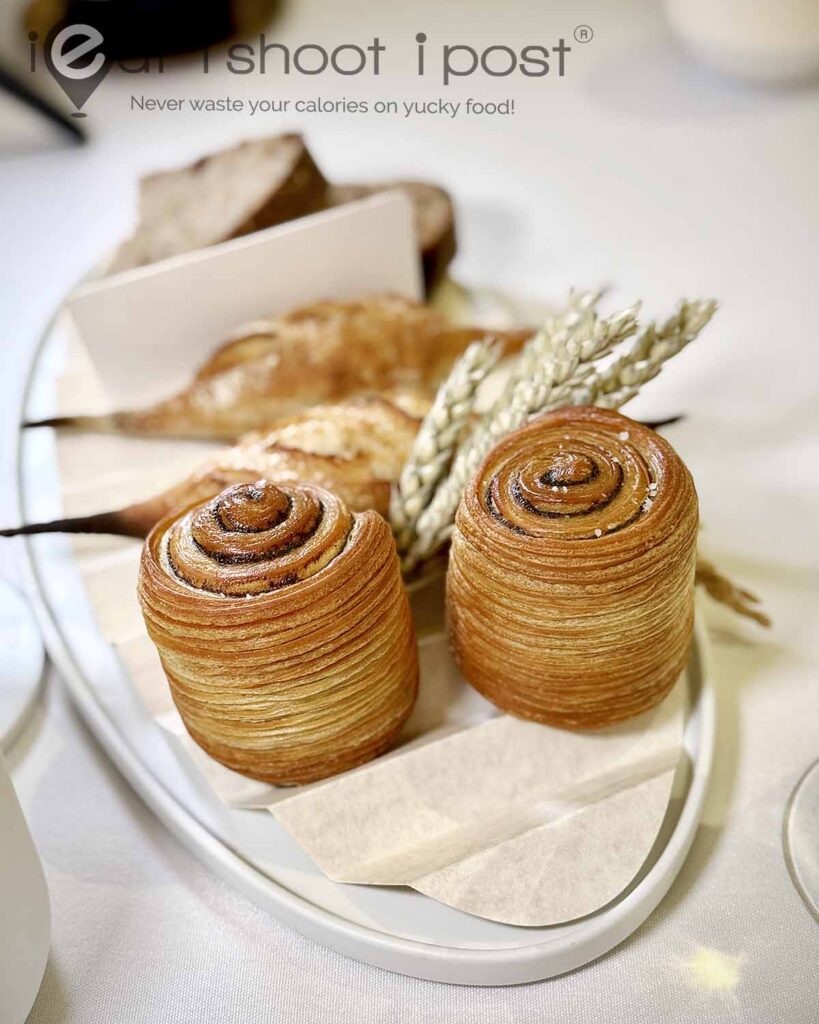
Along with the renovation, Chef Julien has also subtly shifted his culinary focus. Whereas in the past his cuisine often showcased a complex interplay of multiple ingredients and elaborate techniques, he now places greater emphasis on restraint and simplicity. This allows the finest seasonal ingredients to speak for themselves.
The cuisine remains recognisably French at its core, grounded in classical foundations and precision, while the thoughtful local influences that have always been part of his culinary voice continue to lend the food a distinct sense of place.
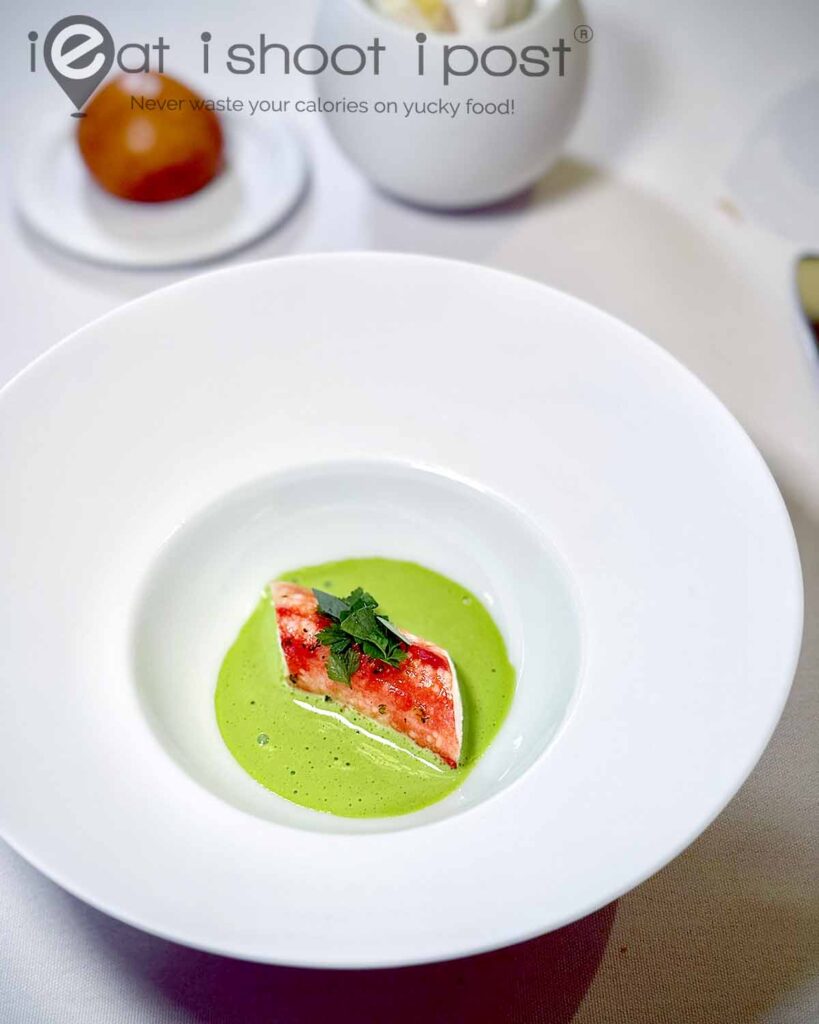
We were privileged to be invited to experience the newly renovated Odette and its revamped menu. We must say that, by our own previously stated criteria, Odette is thoroughly deserving of its three Michelin Stars.
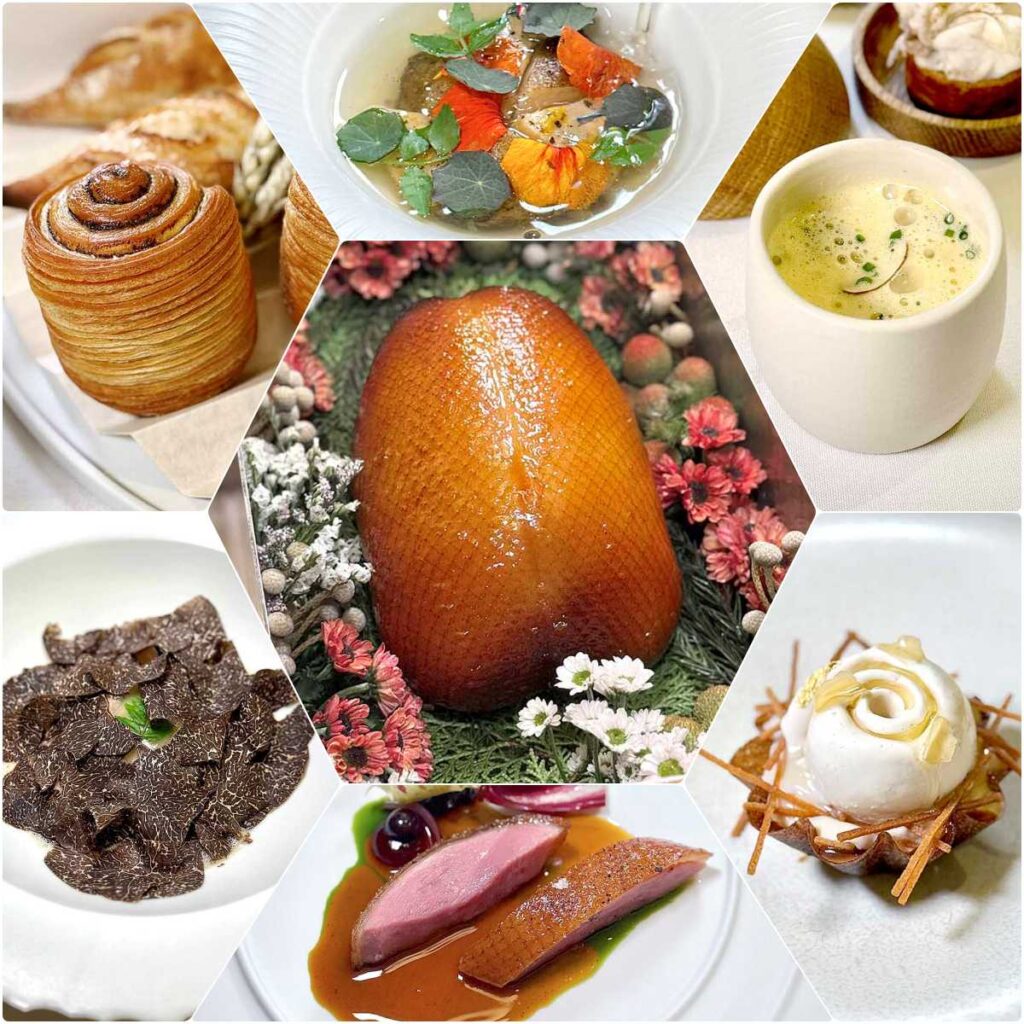
Every course, from the amuse-bouche to the dessert, delivered a true “wow” factor. The dishes were not only exquisitely balanced and deeply satisfying in flavour, but also showcased seasonal ingredients that were thoughtfully and impeccably sourced.
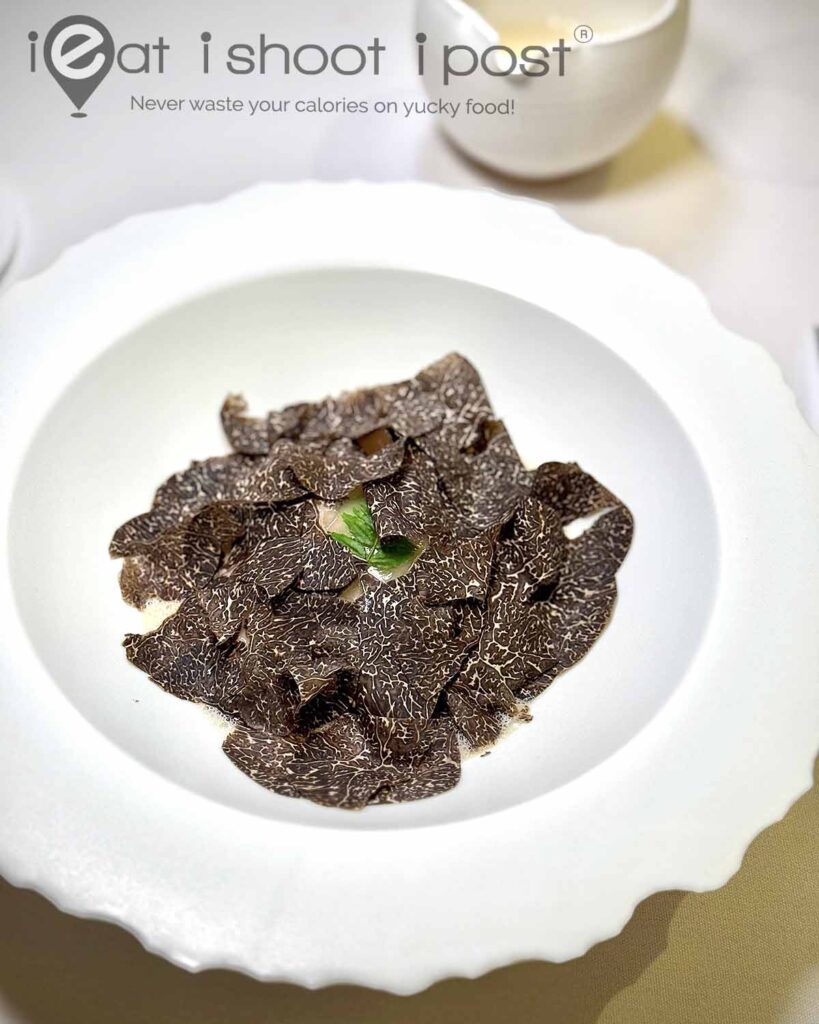
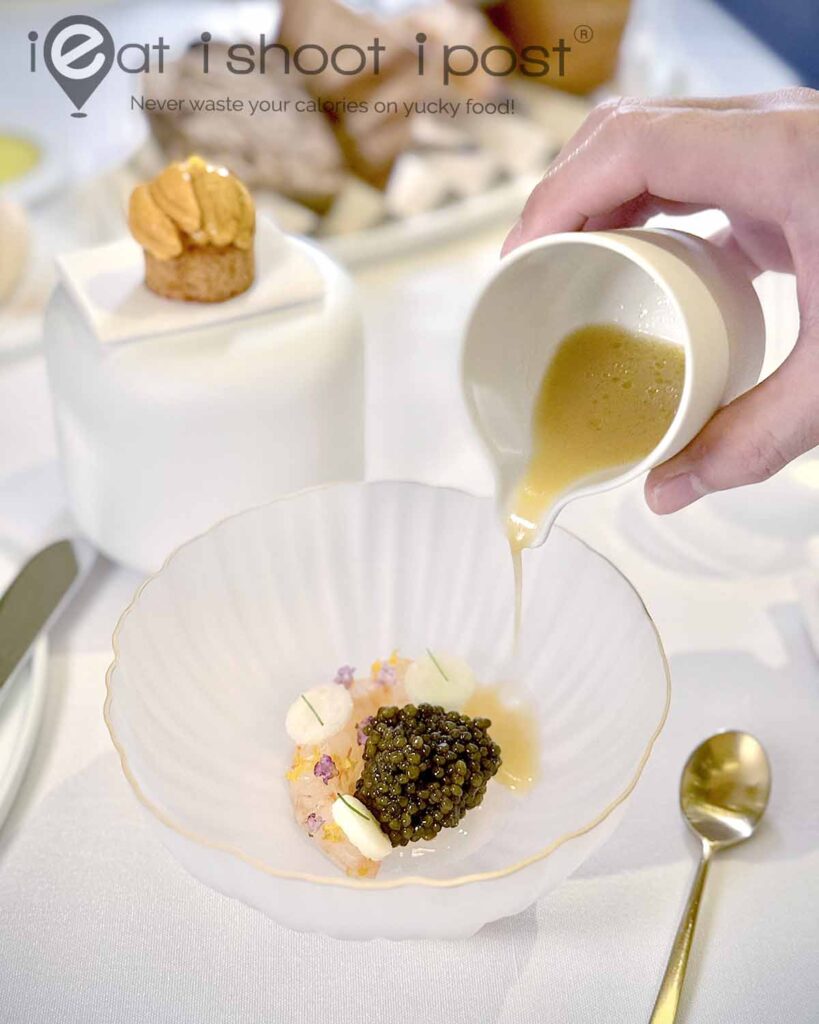
Even though every dish was excellent, if there was one that truly stood above the rest, it would have to be the Langoustine Dumpling.
Cooked with absolute precision to preserve its natural sweetness and delicate, almost translucent texture, it was paired with a luxurious butter and vin jaune reduction, then crowned with a generous shaving of black truffles at the height of their season.
It was one of those rare gastronomic moments permanently etched into my temporal lobes. It is a dish that lingers long after the final bite.
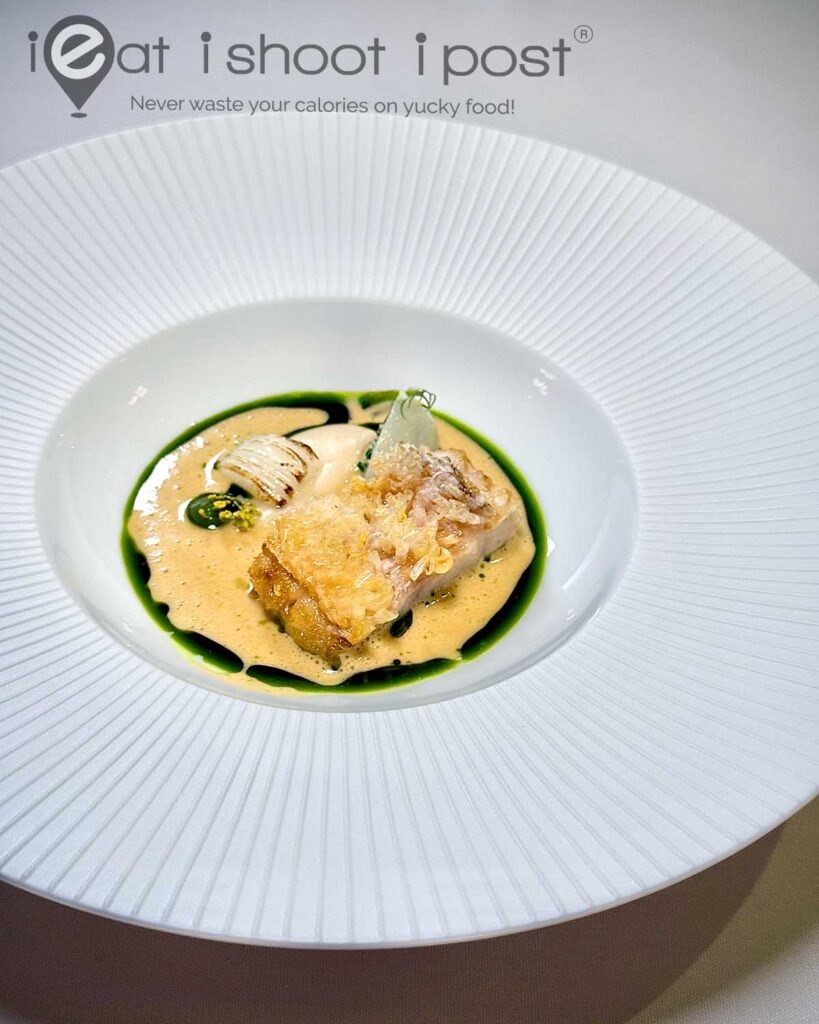
We were told that Chef Julien Royer first created this langoustine dish for the 2023 Dîner des Grands Chefs. It was an elite gastronomic dinner held on 22 January at the historic Abbaye de Collonges Paul Bocuse in Collonges-au-Mont-d’Or, during the week of Sirha Lyon.
To present a dish to a dining room filled with Michelin-starred luminaries would have been no small feat, but one imagines that Chef Julien carried the moment with quiet confidence – doing Singapore proud on one of gastronomy’s most distinguished stages.
Sourcing Regionally
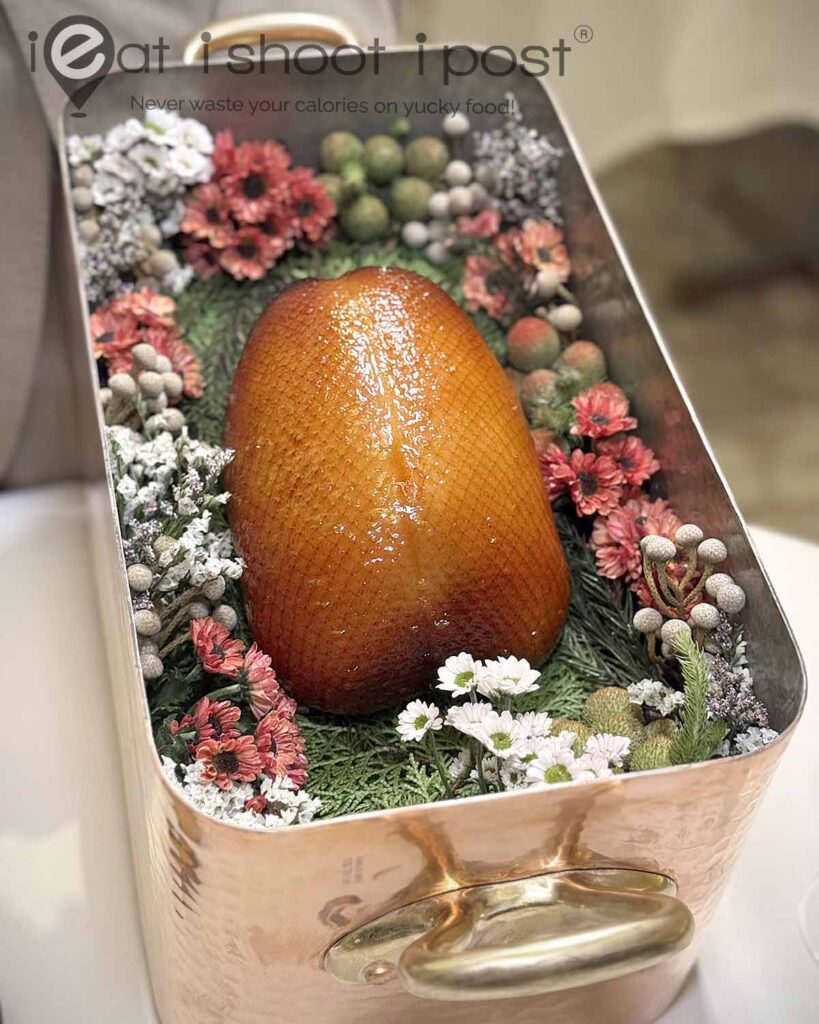
We also appreciate the fact that while Odette remains unmistakably French in its DNA, every effort has been made to source ingredients locally and to allow subtle expressions of the local culinary landscape to find their way onto the plate.
The most obvious example is the inclusion of a chilli crab “pau” alongside his crab dish. It is a playful nod to one of Singapore’s most iconic flavours. Admittedly, this was one of the very few bites that evening that did not quite cross the “wow” threshold for us, but the intent and spirit behind it were clear and commendable.
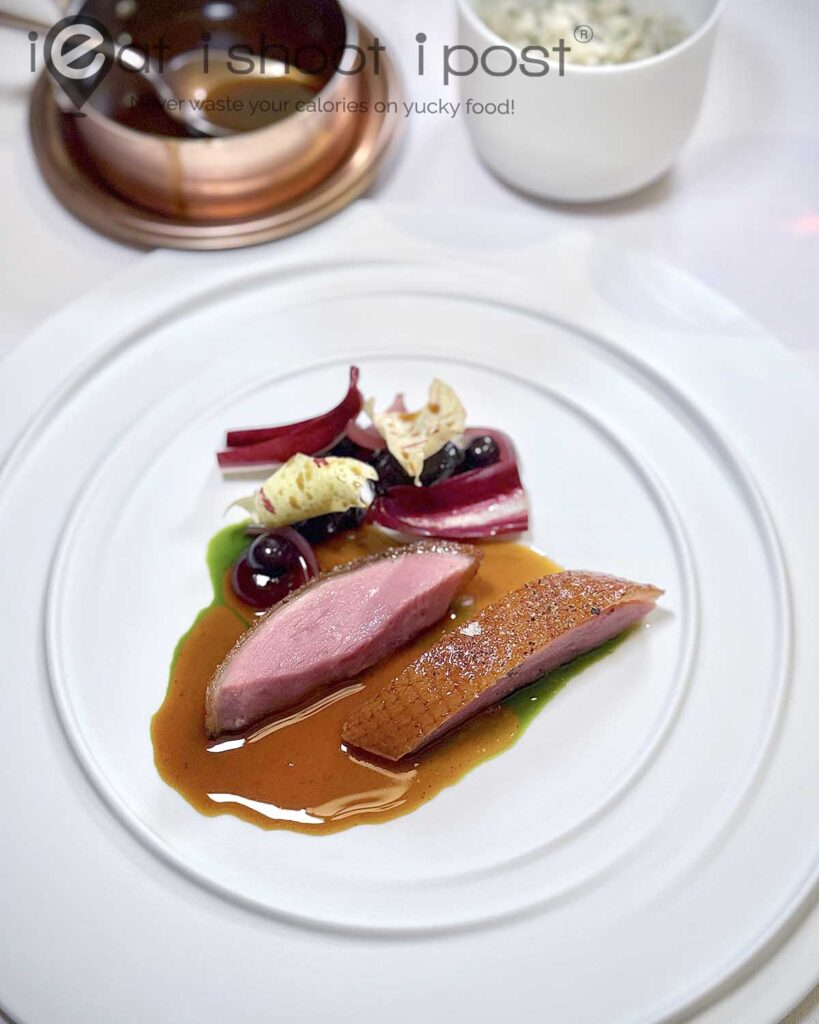
The roast duck is another fine example of this thoughtful integration of local influences. It is a dish that bridges classical French technique with flavours and references that resonate closer to home. The duck itself was sourced from a farm in Malaysia, underscoring the kitchen’s commitment to regional produce.
In its conception, Chef Julien Royer thoughtfully marries the spirit of local Cantonese roast duck – with its lacquered skin and aromatic depth, to refined French technique and presentation. The result is a dish that feels both familiar and elevated, reflecting his sensitivity to place while remaining unmistakably rooted in his French culinary heritage.
Cheese and Dessert
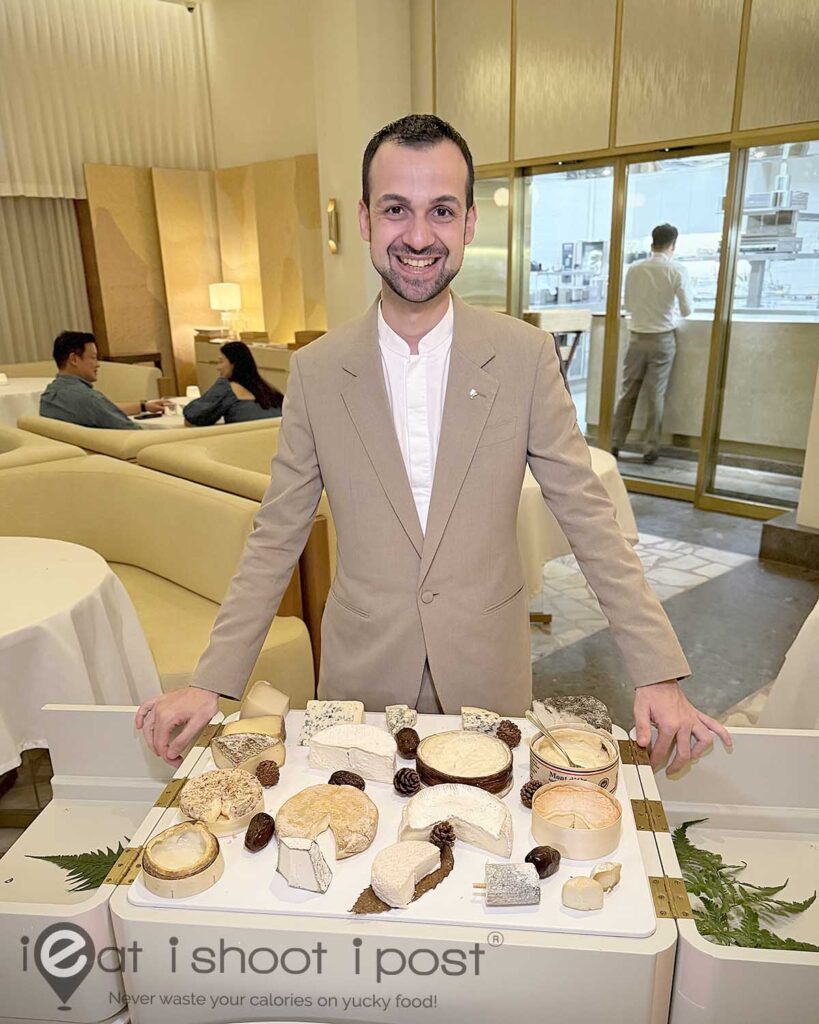
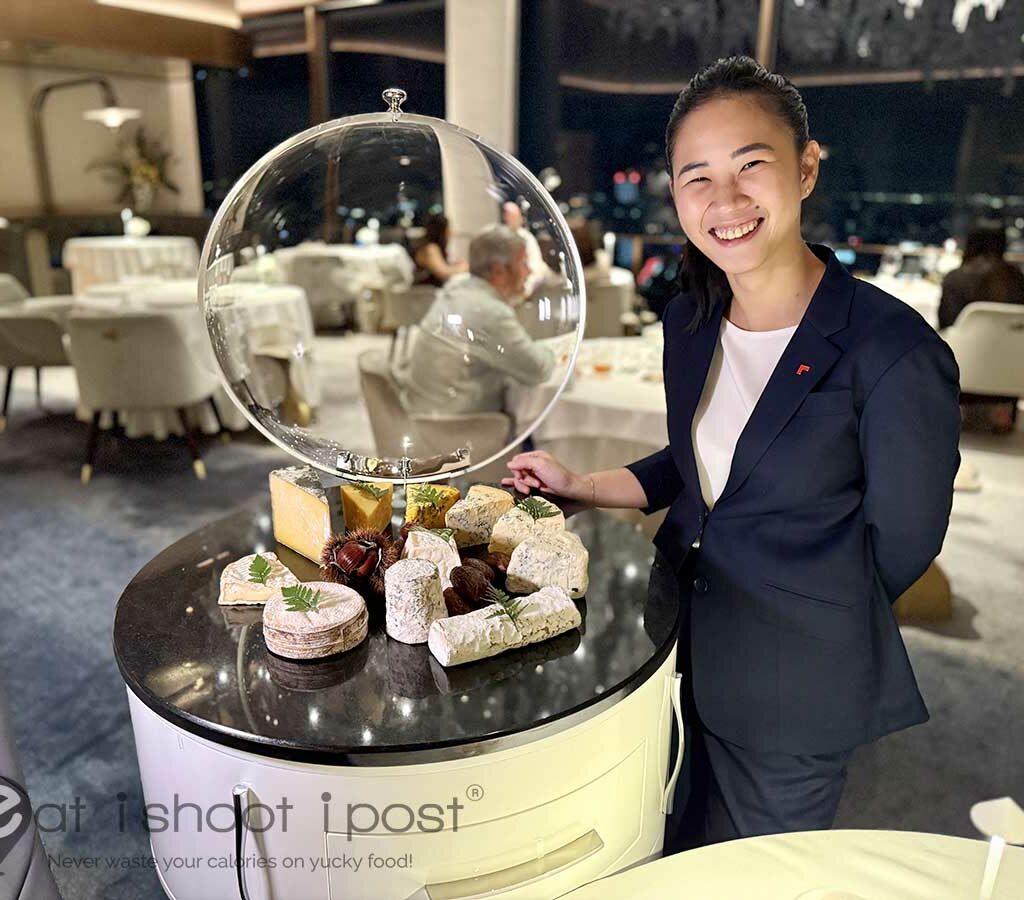
No French meal would be complete without cheese. Just before dessert we were presented with an enticing array of fine French cheeses. Having spent considerable time studying French cheeses, we were more than eager to sample some of the rarer selections – including a wonderfully barnyard-aromatic washed-rind goat’s cheese that was truly exceptional.
If you are a cheese lover, the cheese trolley is not to be missed.
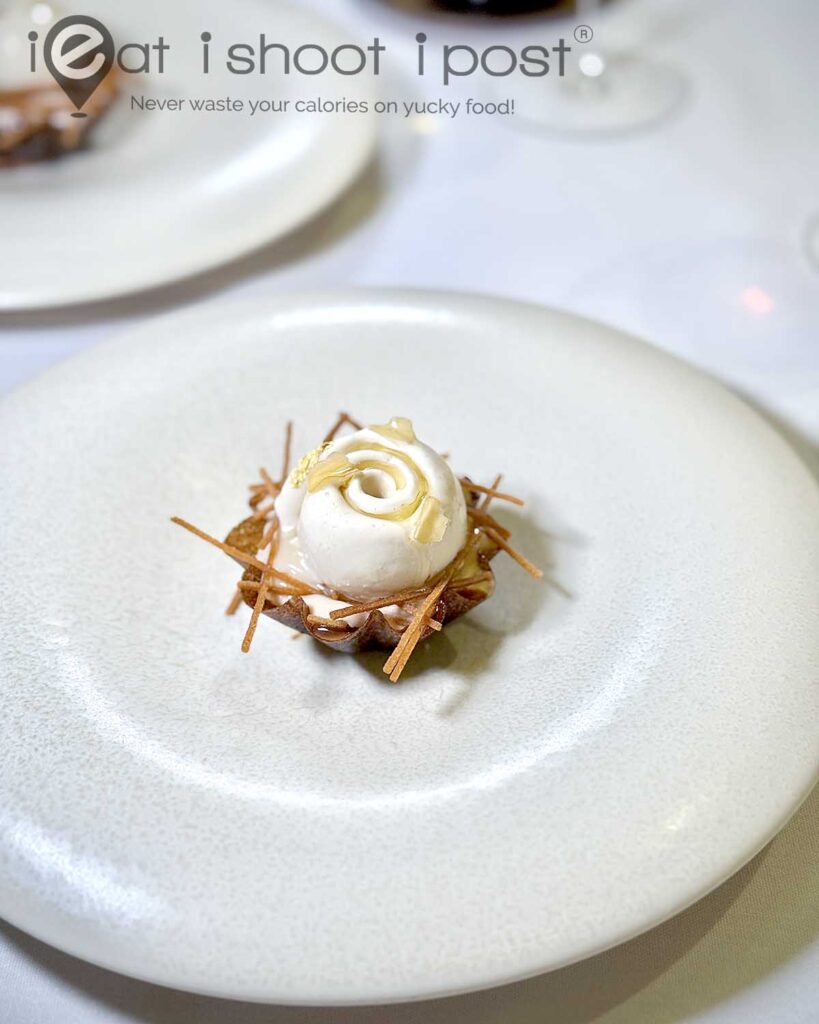
To cap off our extraordinary meal, we were treated to a dessert by Pastry Chef Louisa Lim, who has steadily built a reputation as one of the region’s most exciting talents. In 2023, she was named Asia’s Best Pastry Chef by Asia’s 50 Best Restaurants. It is a prestigious accolade that recognises the finest pastry chefs across the continent.
She presented her Hazelnu-t-ella – a refined composition of Piedmont hazelnut praliné layered with chestnut and rich Jivara chocolate, delivering deep, nutty warmth balanced by elegant sweetness. If you love Ferrero Rocher, this would be the Rolls-Royce version. It is more nuanced, more polished, and infinitely more luxurious.
Conclusion
It is one thing to source the finest ingredients, treat them with meticulous care, apply precise technique, and present them in a visually striking, contemporary manner. It is quite another to imbue each dish with that extra touch of magic – to make every bite profoundly delicious and to craft an experience that lingers long after the meal has ended. That ability is rare, and perhaps that is precisely why Odette was awarded its three Michelin stars.